For a reader who just finished
Books like After the Fall
after After the Fall by Dan Santat · ages 4–8
Same style
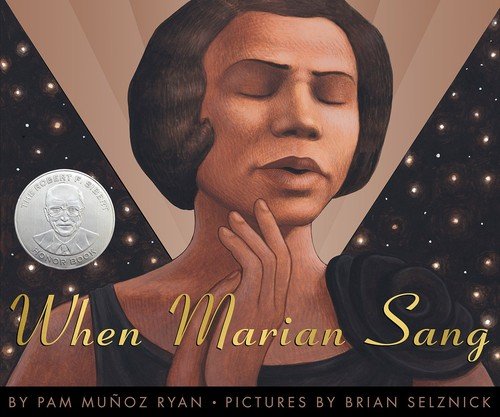
by Pam Muñoz Ryan
Picture book · ages 6–10 · grades 1–5 · 620L
A luminous picture-book biography that treats racism and exclusion with age-appropriate honesty while centering Marian Anderson's power and voice—not her victimhood.
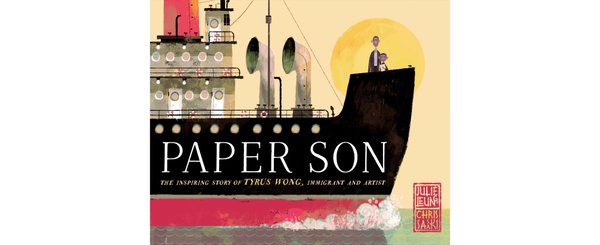
by Julie Leung
Picture book · ages 6–10 · grades 1–5 · 620L
A vivid picture-book biography that centers an overlooked artist's refusal to abandon his culture; the illustrations honor Tyrus's own artistic eye and give younger kids a concrete, stirring entry to immigration stories.
by Hester Bass
Picture book · ages 6–9 · grades 1–4 · 620L
A quiet, visually stunning introduction to the real Walter Anderson — the book makes his solitary artistic practice feel noble rather than eccentric, teaching that true creativity often happens away from applause.
Stretch them up
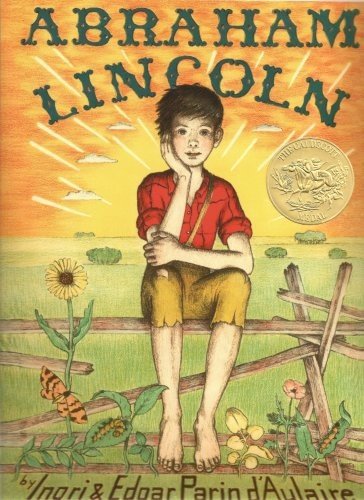
by Ingri and Edgar Parin d'Aulaire
Picture book · ages 6–10 · grades 1–5 · 800L
The d'Aulaires' Lincoln is a masterpiece—sumptuous illustrations and narrative prose that makes a difficult life feel epic and human; kids absorb both the story and a sense of why Lincoln matters.
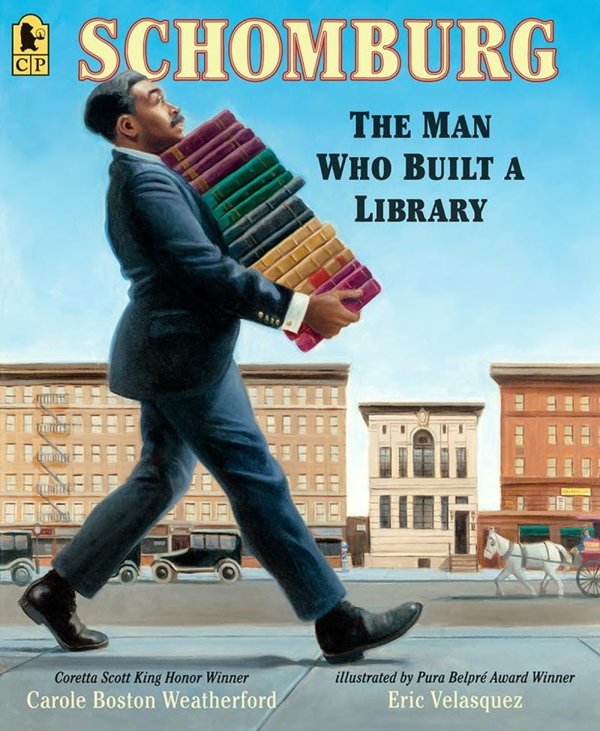
by Carole Boston Weatherford
Picture book · ages 6–10 · grades 1–5 · 780L
Weatherford's verse and Jamila Rowser's painterly illustrations make Schomburg's archival mission feel urgent and beautiful—kids understand he built something essential, not just collected things.
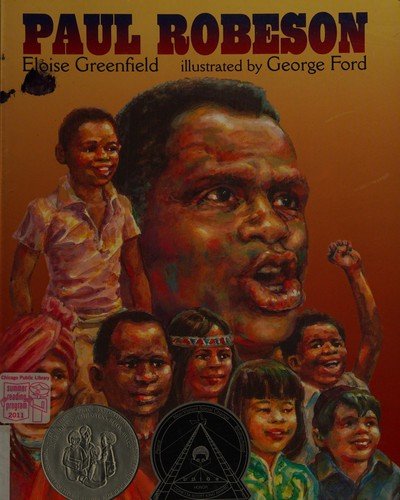
by Eloise Greenfield
Picture book · ages 5–9 · grades K–4 · 680L
Eloise Greenfield's prose is spare and lyrical; the illustrations by John Parra are vivid without being saccharine—a genuinely moving introduction to an American hero that respects children's intelligence.
Complementing on resilience
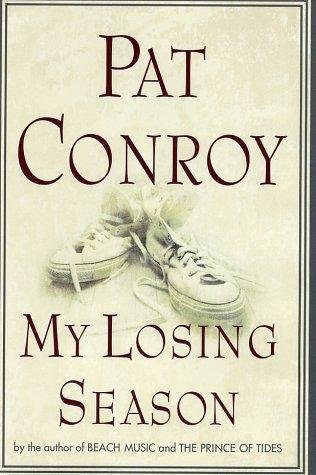
by Pat Conroy
Nonfiction · 1020L
A literary memoir for a thoughtful older child or teen interested in sports, military culture, or Conroy's essays; the prose is beautiful but the tone is adult introspection, not a kid-centered narrative.
We'd skip — for now
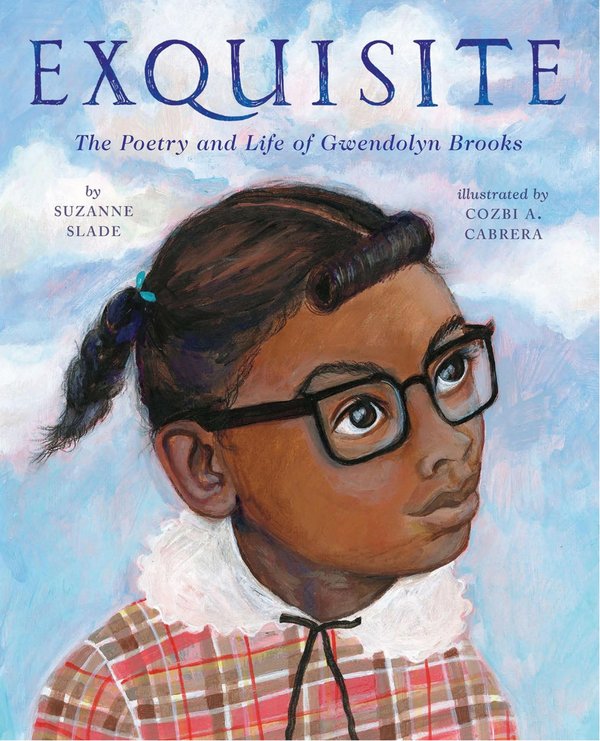
by Cozbi A. Cabrera
A step up — ages 8–12 · grades 3–7
Skip it if your child is uncomfortable with discussions of racial inequality or segregation — the book treats these as real forces Brooks had to navigate, not as background.
