For a reader who just finished
Books like A More Perfect Union
after A More Perfect Union by Betsy Maestro · ages 7–10
Same style
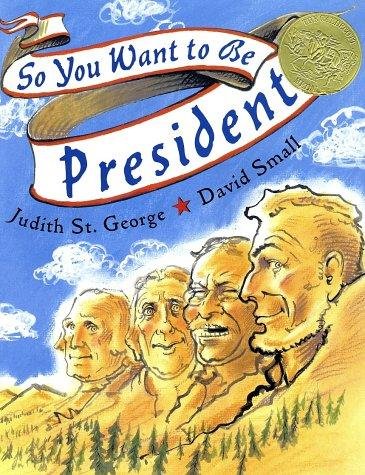
by David Small
Picture book · ages 4–8 · grades K–3 · 620L
A Caldecott winner that makes U.S. history genuinely funny — kids laugh at the absurdity while absorbing real facts about presidents in a format that's pure delight to reread.
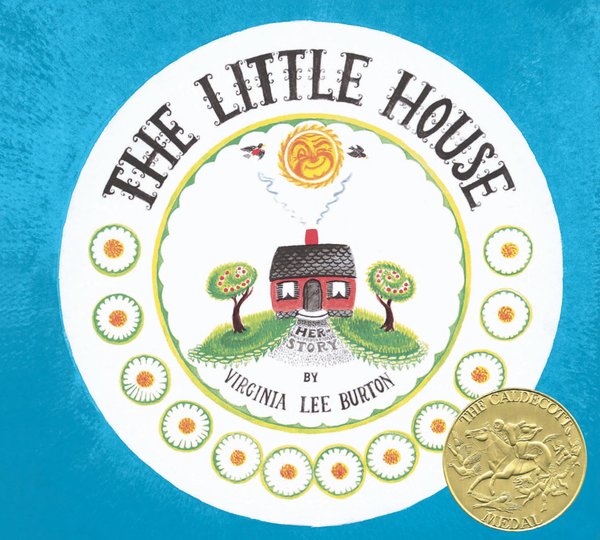
by Virginia Lee Burton
Picture book · ages 4–8 · grades K–3 · 550L
A 1942 Caldecott winner that still teaches environmental awareness and historical perspective without sentimentality—the illustrations do nearly all the storytelling work, making it perfect for nonverbal reflection with young kids.
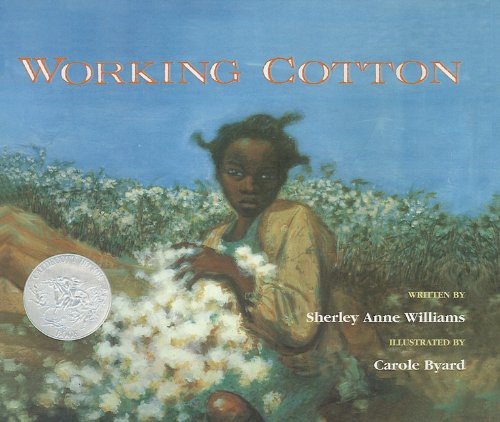
by Carole Byard
Picture book · ages 6–10 · grades 1–5 · 620L
Unflinching, lyrical, and told in the protagonist's own voice — this is the rare picture book that doesn't sentimentalize poverty but doesn't rob children of it either, and Carole Byard's collage art is extraordinary.
Stretch them up
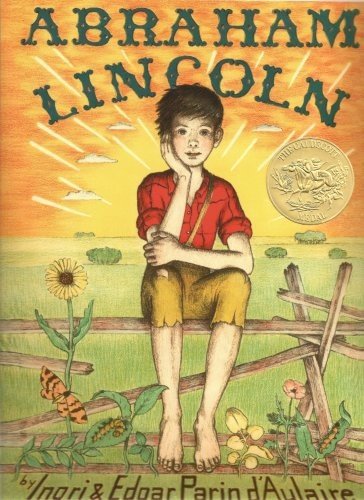
by Ingri and Edgar Parin d'Aulaire
Picture book · ages 6–10 · grades 1–5 · 800L
The d'Aulaires' Lincoln is a masterpiece—sumptuous illustrations and narrative prose that makes a difficult life feel epic and human; kids absorb both the story and a sense of why Lincoln matters.
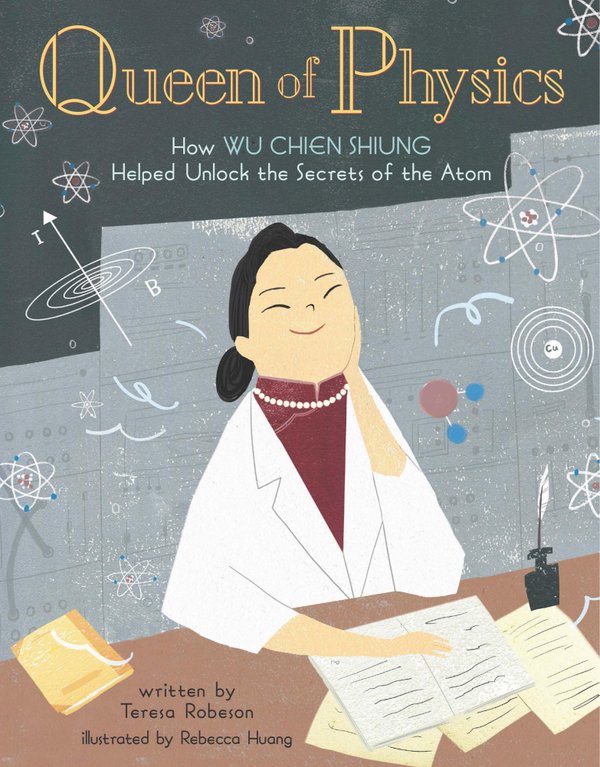
by Teresa Robeson
Picture book · ages 8–12 · grades 3–7 · 820L
A rigorous, visually compelling introduction to a physicist whose breakthrough experiment changed nuclear physics—told without condescension or sentimentality.
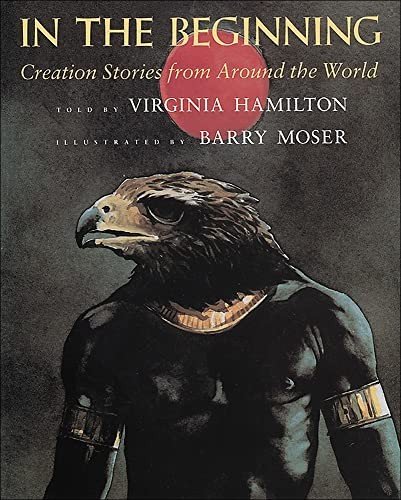
by Virginia Hamilton
Picture book · ages 5–9 · grades K–4 · 820L
Gorgeous, sophisticated, and genuinely restful — Hamilton's prose elevates world mythology without condescension, and Barry Moser's illustrations deepen the dreamlike authority of each story.
Complementing on truth
by Virginia Hamilton
Picture book · ages 5–9 · grades K–4 · 820L
Gorgeous, sophisticated, and genuinely restful — Hamilton's prose elevates world mythology without condescension, and Barry Moser's illustrations deepen the dreamlike authority of each story.
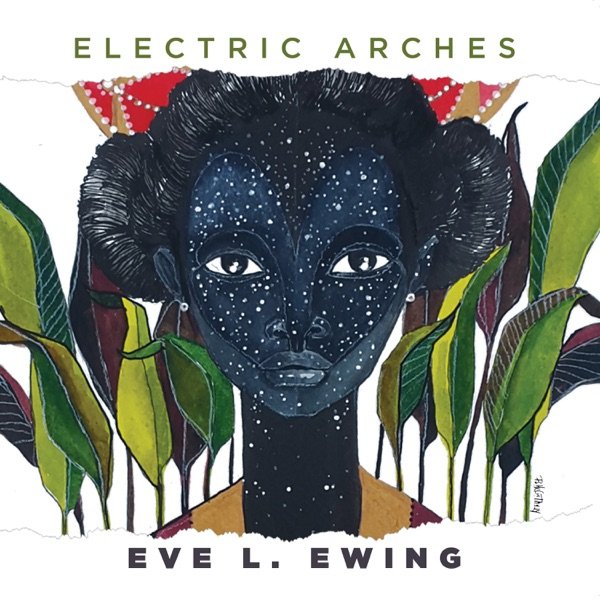
by Eve Ewing
Verse novel
A collection for young poets and teenagers grappling with race, place, and belonging; dense and unflinching about Chicago's history of segregation, gentrification, and resistance—not a gateway poetry book, but a necessary one.
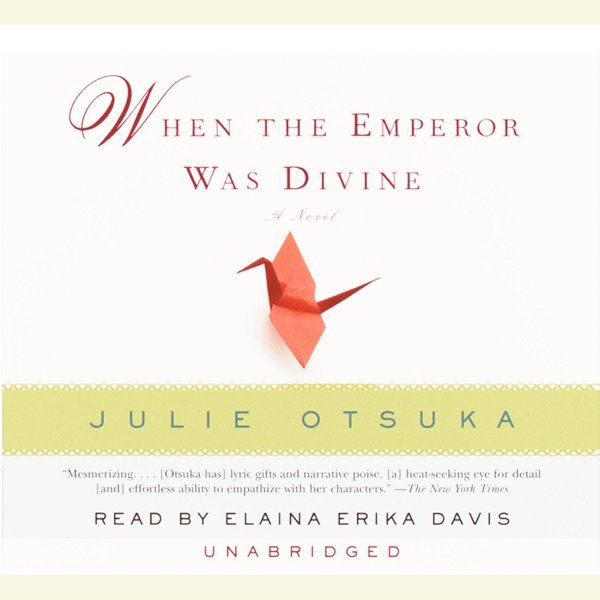
by Julie Otsuka
Nonfiction · 1000L
A spare, formally inventive novel that teaches Japanese American internment through intimate family voices rather than historical exposition—demands maturity but rewards it.
We'd skip — for now
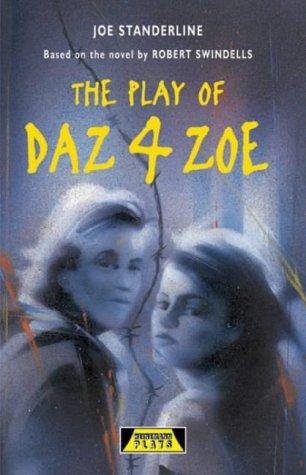
by Joe Standerline
A step up — ages 10–14 · grades 5–9
Skip it if you need a standalone read-aloud; this is a script written for performance, with minimal stage directions and dialogue-heavy scaffolding designed for ensemble work.
