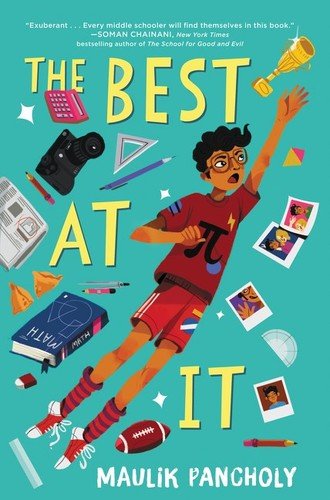
The Best At It
Middle grade · ages 9–12 · grades 4–7 · 720L · 2019
A rare middle-grade that centers a gender-nonconforming protagonist without apology or after-school-special tone—Rahul's voice is funny, honest, and genuinely moving.
For a reader who just finished
after A copycat conundrum by Lisa Yee · ages 8–12
Middle grade · grades 3–7 · 750L
A timely and empathetic look at the pressure to be 'original' in a digital age, wrapped in a relatable middle-grade voice that doesn't preach.
Same style
Middle grade · ages 9–12 · grades 4–7 · 720L · 2019
A rare middle-grade that centers a gender-nonconforming protagonist without apology or after-school-special tone—Rahul's voice is funny, honest, and genuinely moving.
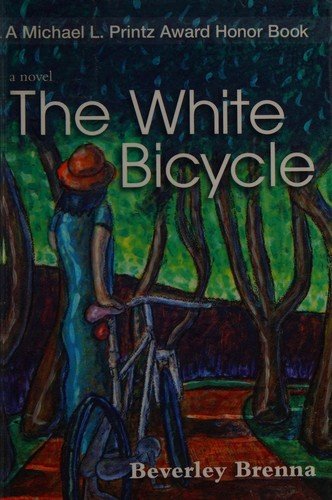
Middle grade · ages 9–12 · grades 4–7 · 780L · 2012
One of the few middle-grade novels with a Deaf protagonist that centers her experience without sentiment; kids with and without hearing loss recognize themselves here.
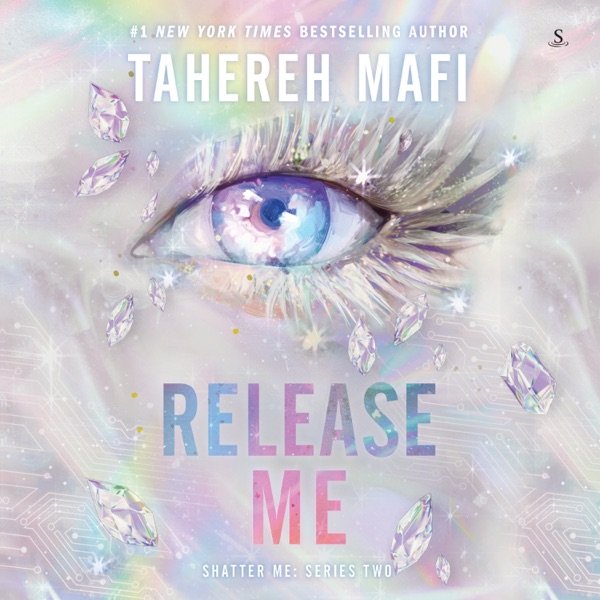
by Tahereh Mafi
Middle grade · ages 8–12 · grades 3–7 · 740L · 2026
A genuinely moving debut about a girl learning to claim her power (literal and metaphorical)—smart, warm, and unsentimental about the cost of hiding who you are.
Stretch them up
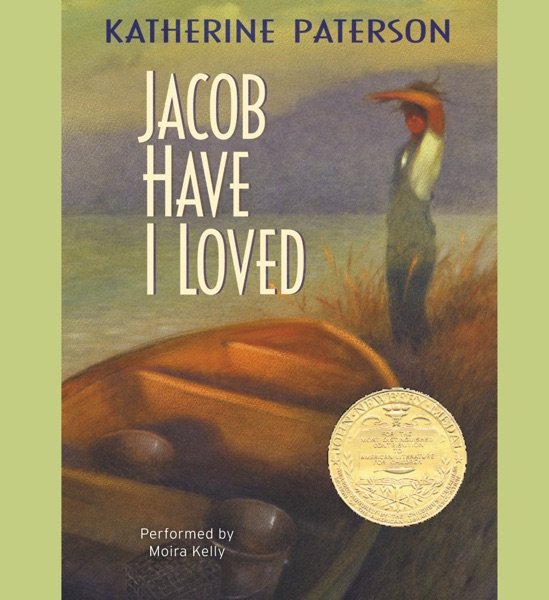
Middle grade · ages 10–14 · grades 5–9 · 820L · 2009
A Newbery winner that actually deserves it—Paterson writes sibling resentment and reconciliation with such honesty that kids recognize their own families, and the 1941 Chesapeake setting carries real historical weight without preaching.

Middle grade · ages 10–14 · grades 5–9 · 820L
Pennypacker writes a protagonist who is disabled without apology or inspiration-porn—the lions matter as much as the girl, and both demand respect.
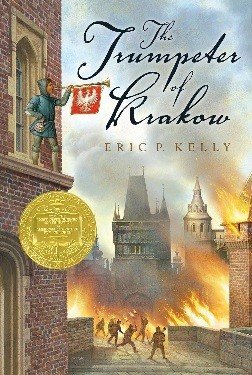
Middle grade · ages 8–12 · grades 3–7 · 800L · 1992
A Newbery winner that feels genuinely historical without being a slog — the mystery of the trumpet and the boy's quiet bravery make it memorable for kids who can handle older prose.
Complementing on naming feelings
Verse novel · ages 6–10 · grades 1–5 · 520L · 1998
A masterwork of bilingual wordplay that reads aloud with infectious energy—kids feel seen in the code-switching, and the poems actively teach that two languages in one mind is a superpower, not a problem.
Middle grade · ages 8–12 · grades 3–7 · 740L · 1999
A watershed book for most kids who read it—not because it's cheerful, but because it takes grief seriously and shows that imagination can be both escape and source of real connection.
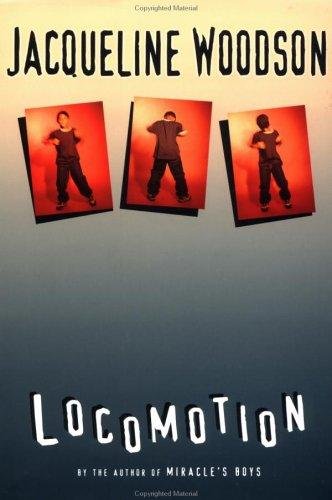
Verse novel · ages 9–12 · grades 4–7 · 680L · 2003
A masterwork of grief told in verse — Woodson's spare, exact language lets kids name loss they may not have words for, and the ending models hope without erasure.
We'd skip — for now
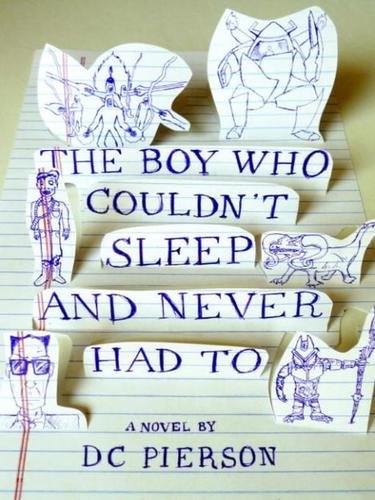
by DC Pierson
A step up — ages 12–15 · grades 7–10
Skip it if your child has unmedicated ADHD and finds books about hyperactive protagonists overstimulating — Darren's racing mind might feel too familiar in a difficult way.