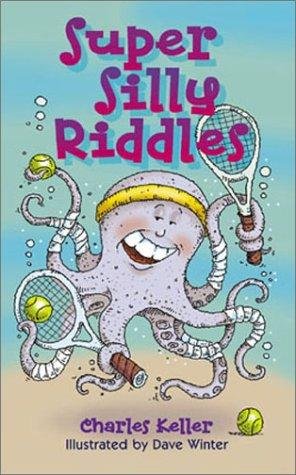
Super Silly Riddles
Picture book · ages 4–8 · grades K–3 · 300L · 2001
A straightforward riddle collection for early readers—the illustrations help decode punchlines, but the jokes land best read aloud with an audience to groan at.
For a reader who just finished
after 10 Little Tractors by Annie Bailey · ages 3–7
Picture book · grades K–2 · 250L
A high-energy counting-down book that works best as a read-aloud for kids who love vehicles and repetitive patterns.
Same style
Picture book · ages 4–8 · grades K–3 · 300L · 2001
A straightforward riddle collection for early readers—the illustrations help decode punchlines, but the jokes land best read aloud with an audience to groan at.
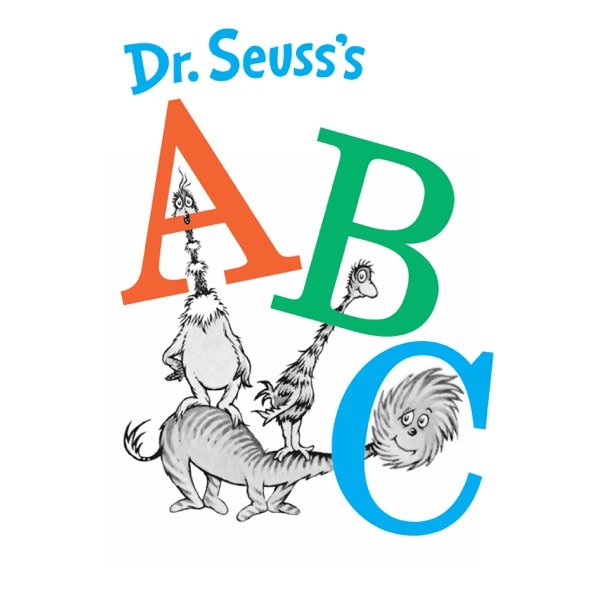
by Dr. Seuss
Picture book · ages 2–5 · grade K · 1996
The gold standard for alphabet memorization because Seuss makes each letter genuinely funny—kids memorize letters accidentally while laughing at impossible creatures.
Picture book · ages 3–7 · grades K–2 · 200L · 1999
A straightforward alphabet-and-rhyme book with Eichenberg's distinctive woodcut illustrations; it teaches letter sounds through silly animal pairings but doesn't reach beyond its modest scope.
Stretch them up
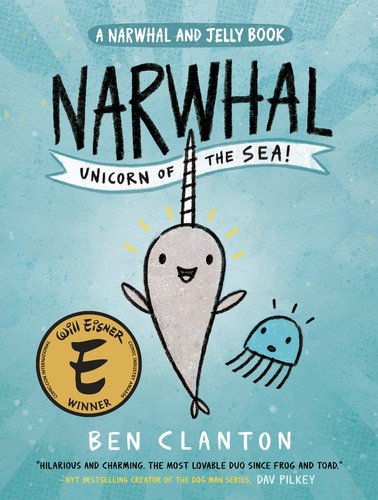
by Ben Clanton
Early reader · ages 4–8 · grades K–3 · 420L · 2016
Clanton's warmth and deadpan absurdist humor make this the gold-standard friendship book for early readers—kids laugh, absorb kindness without preaching, and ask for it again.
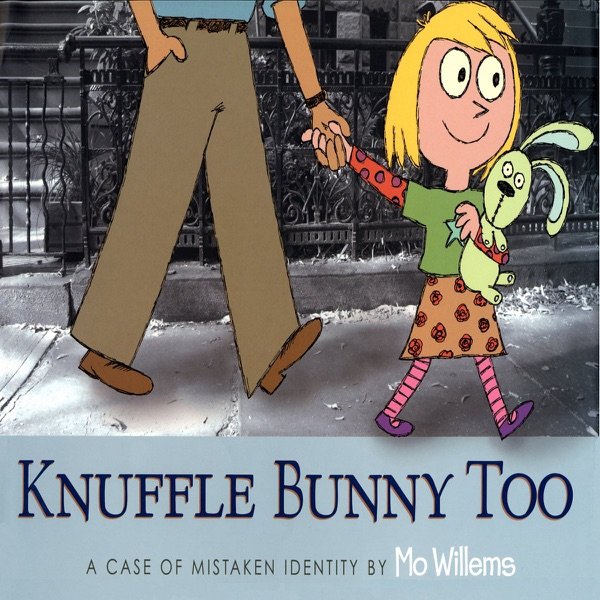
by Mo Willems
Picture book · ages 3–7 · grades K–2 · 480L
Willems nails the toddler logic of ownership and friendship; the mistaken-bunny premise is genuinely funny for kids and parents, and Trixie's bilingual speech patterns feel authentically lived-in.
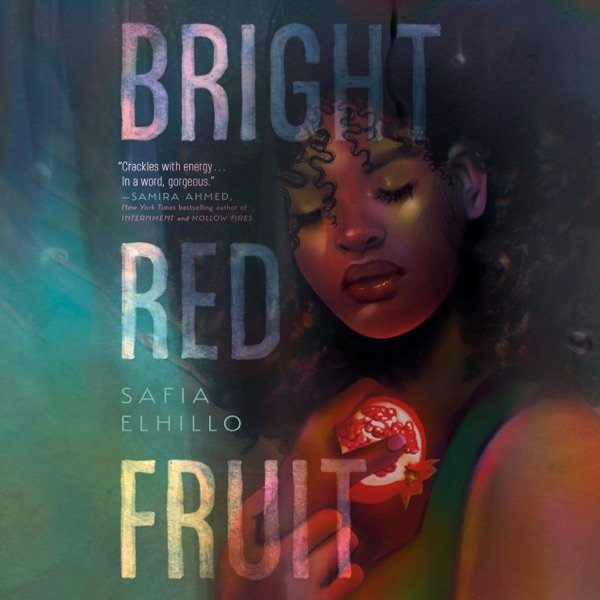
Picture book · ages 3–7 · grades K–2 · 300L · 2023
A sensory, poetic picture book that celebrates color, taste, and cultural specificity without a plot—perfect for read-alouds with younger toddlers and a genuine rarity: a lyric-driven book for this age that doesn't feel condescending.
Complementing on cause effect
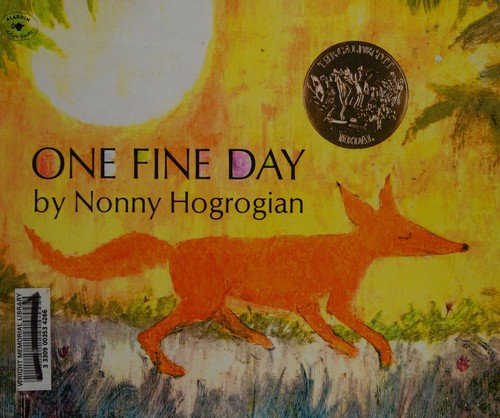
Picture book · ages 4–8 · grades K–3 · 300L · 1971
A Caldecott winner that holds up: the circular chain-of-consequence plot is elegant enough to reward rereads, and Hogrogian's folk-art illustrations ground an abstract concept in a lived village.
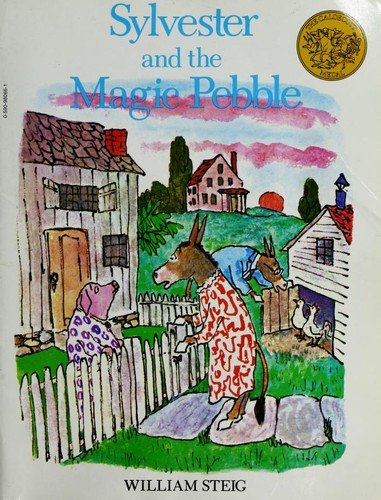
Picture book · ages 4–8 · grades K–3 · 620L · 2006
A quietly haunting picture book that handles loss and separation without melodrama — the magic pebble is just a frame for the real story about wanting to come home.
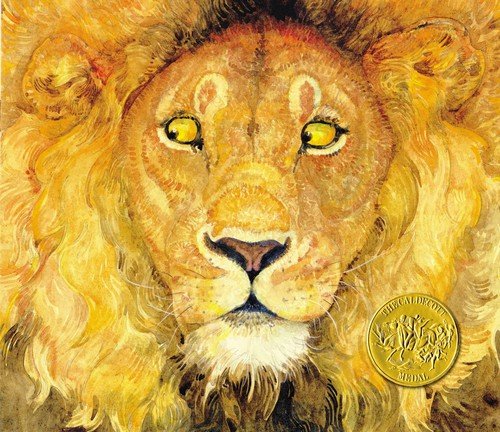
Picture book · ages 4–8 · grades K–3 · 2009
Pinkney's watercolor savanna is reason enough, but the spare text and visual storytelling make this Aesop adaptation feel both timeless and immediate — kids grasp the moral without being lectured.
We'd skip — for now
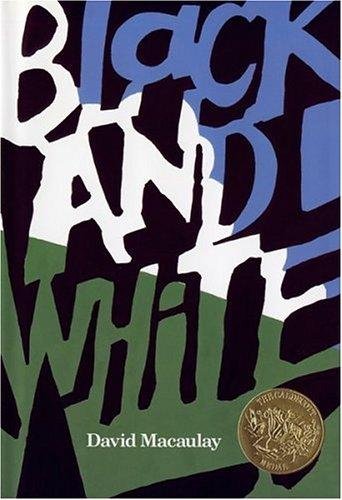
by David Macaulay
A step up — ages 8–12 · grades 3–7
Skip it if your child finds open-ended narratives frustrating or needs explicit narrative closure; the ambiguity is the point.