For a reader who just finished
Books like Young Mac of Fort Vancouver
after Young Mac of Fort Vancouver by Mary Jane Carr · ages 8–12
Same style
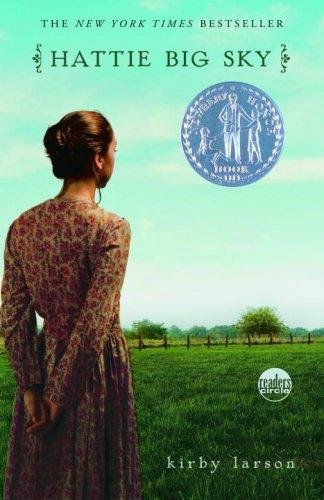
by Kirby Larson
Middle grade · ages 10–14 · grades 5–9 · 750L
A Newbery winner that actually earns it—Hattie's voice is sharp, funny, and unsentimentally brave, and the historical detail (homesteading law, drought, WWI) lands without preaching.

by Cressida Cowell
Chapter book · ages 8–12 · grades 3–7 · 620L
Wickedly smart adventure that teaches problem-solving and empathy without preaching; the dragon-language concept is genuinely clever, and Hiccup's underdog brain beats Viking brawn every time.
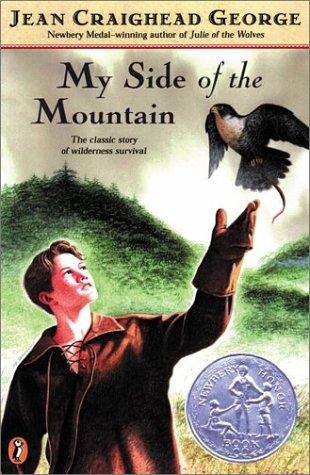
by Jean Craighead George
Middle grade · ages 10–14 · grades 5–9 · 760L
A foundational wilderness-survival novel that teaches resourcefulness through authentic struggle, not sentimentality—Sam's triumph is earned through failure, observation, and persistence.
Stretch them up
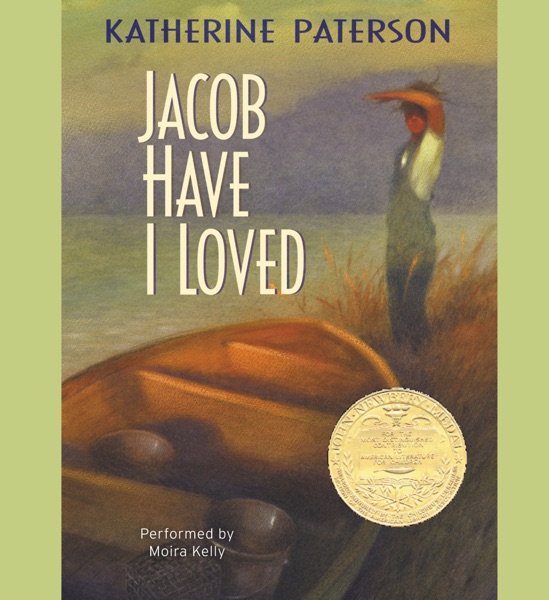
by Katherine Paterson
Middle grade · ages 10–14 · grades 5–9 · 820L
A Newbery winner that actually deserves it—Paterson writes sibling resentment and reconciliation with such honesty that kids recognize their own families, and the 1941 Chesapeake setting carries real historical weight without preaching.
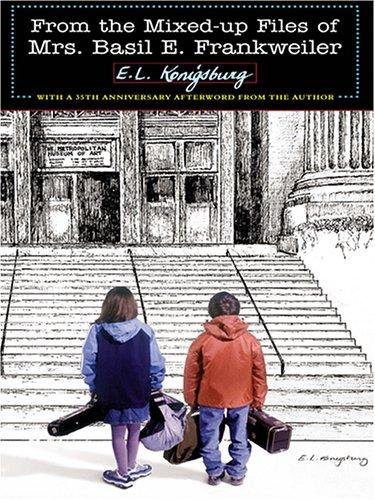
by E. L. Konigsburg
Middle grade · ages 8–12 · grades 3–7 · 790L
A book that trusts kids to be intellectually bored and emotionally complex—Claudia's runaway isn't melodrama, it's a quiet reckoning with identity that lands harder on rereads.
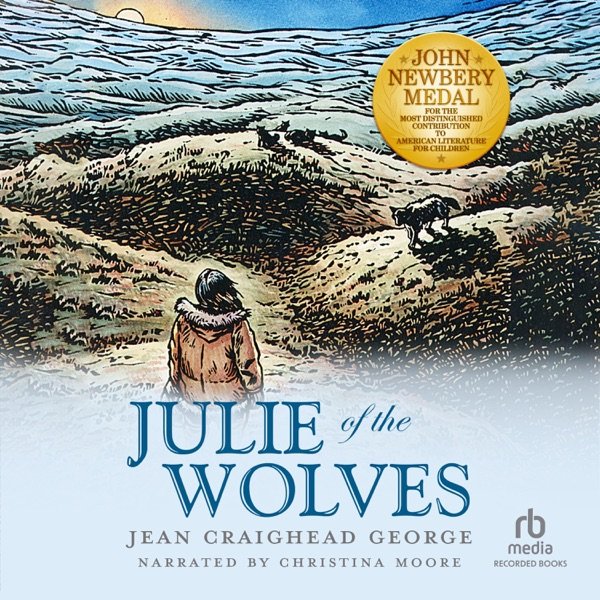
by Jean Craighead George
Middle grade · ages 10–14 · grades 5–9 · 760L
A Newbery-winning masterpiece that hasn't aged a day—Julie's survival story is genuinely gripping, and the quiet exploration of cultural identity and belonging lands without preaching.
Complementing on observation evidence

by Jim Murphy
Nonfiction · ages 10–14 · grades 5–9 · 820L
Gripping, historically rigorous account that models how evidence overturns expert consensus—kids emerge understanding both the horror and the intellectual detective work of epidemiology.
by Jean Craighead George
Middle grade · ages 10–14 · grades 5–9 · 760L
A Newbery-winning masterpiece that hasn't aged a day—Julie's survival story is genuinely gripping, and the quiet exploration of cultural identity and belonging lands without preaching.
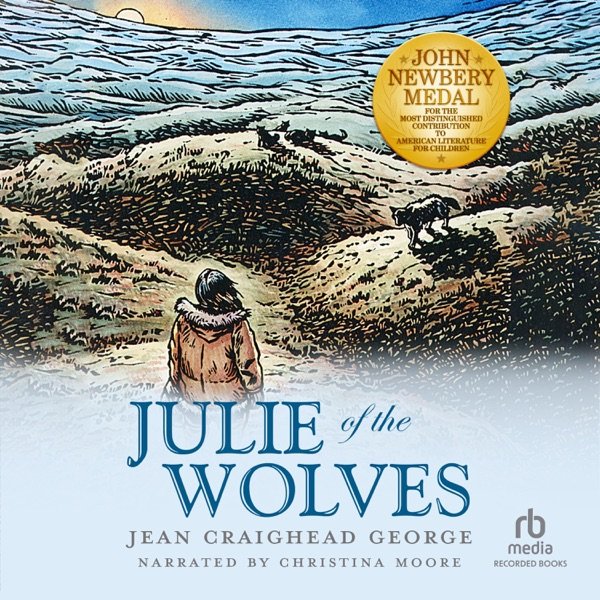
by Jean Craighead George
Middle grade · ages 10–14 · grades 5–9 · 750L
A landmark survival novel that treats a 13-year-old girl's autonomy and environmental intelligence as serious — the wolf pack chapters are unforgettable, and the identity crisis at the core still resonates.
We'd skip — for now
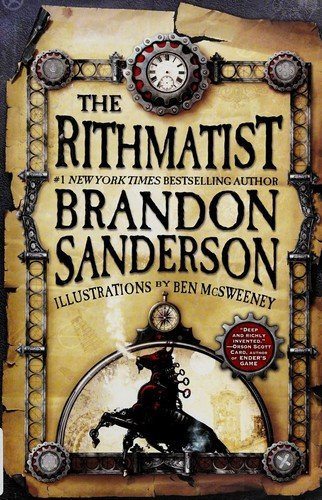
by Brandon Sanderson
A step up — ages 12–18 · grades 7–12
Skip it if your teen has no patience for detailed worldbuilding or magic-system exposition; Sanderson front-loads explanation in ways some readers find slow.
