For a reader who just finished
Books like You Have Given Me a Country
after You Have Given Me a Country by Neela Vaswani · ages 4–8
Same style
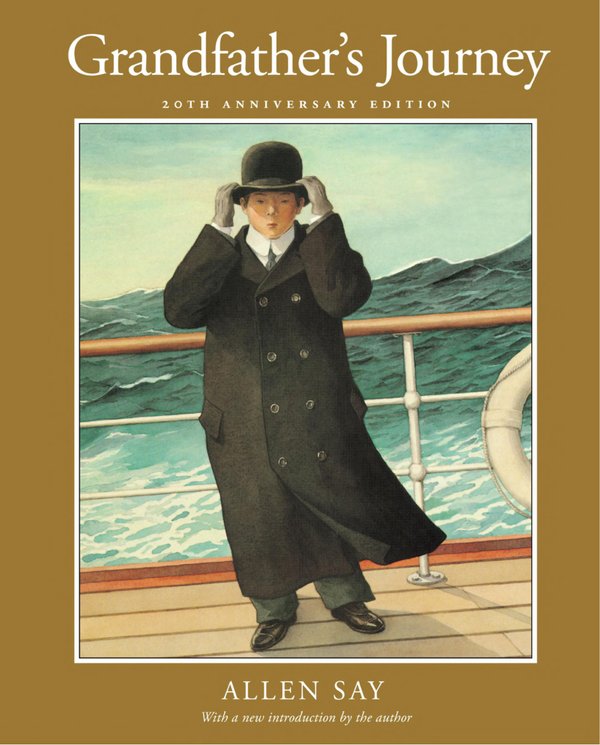
by Allen Say
Picture book · ages 4–8 · grades K–3 · 550L
A Caldecott winner that earns it—Say's watercolors and mirrored structure teach perspective-taking without sermon, and kids grasp the paradox of home better than most adults.
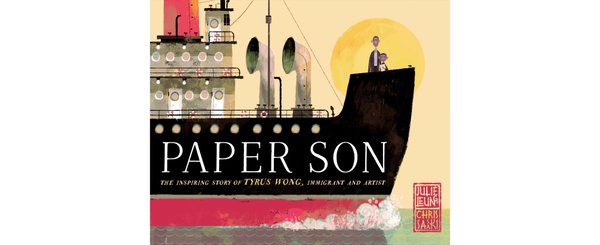
by Julie Leung
Picture book · ages 6–10 · grades 1–5 · 620L
A vivid picture-book biography that centers an overlooked artist's refusal to abandon his culture; the illustrations honor Tyrus's own artistic eye and give younger kids a concrete, stirring entry to immigration stories.
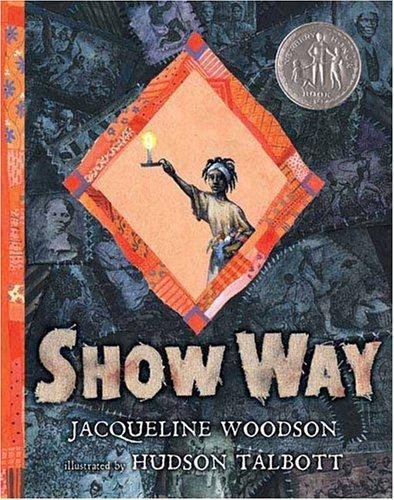
by Jacqueline Woodson
Picture book · ages 5–10 · grades K–5 · 620L
Woodson's poetry and Hudson's illustrations transform quilting into a living metaphor for inherited strength across slavery, Jim Crow, and present-day activism—dense enough for parent-child discussion, lyrical enough to reread.
Stretch them up
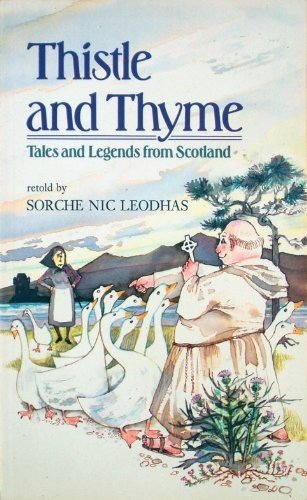
by Sorche Nic Leodhas
Picture book · ages 6–10 · grades 1–5 · 750L
Nic Leodhas is a master of folkloric voice—these Scottish tales are funny, strange, and told with a cadence that makes them feel lived-in; read aloud for maximum enchantment.
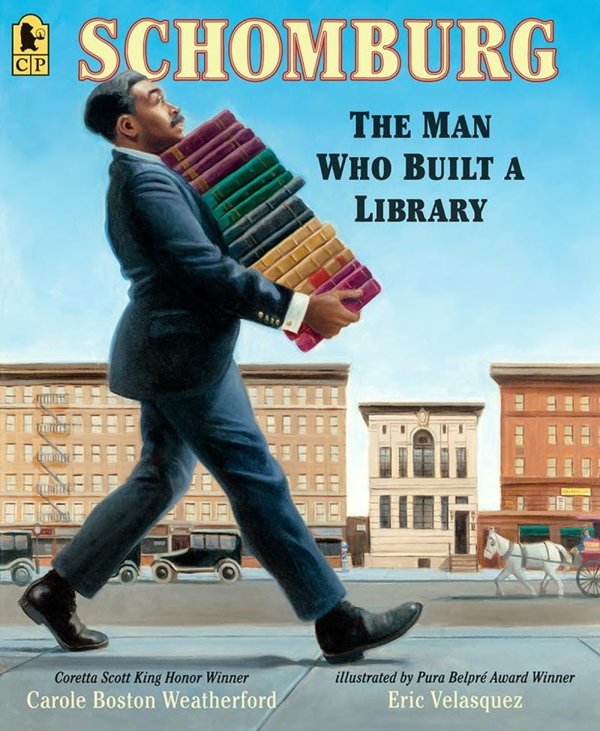
by Carole Boston Weatherford
Picture book · ages 6–10 · grades 1–5 · 780L
Weatherford's verse and Jamila Rowser's painterly illustrations make Schomburg's archival mission feel urgent and beautiful—kids understand he built something essential, not just collected things.
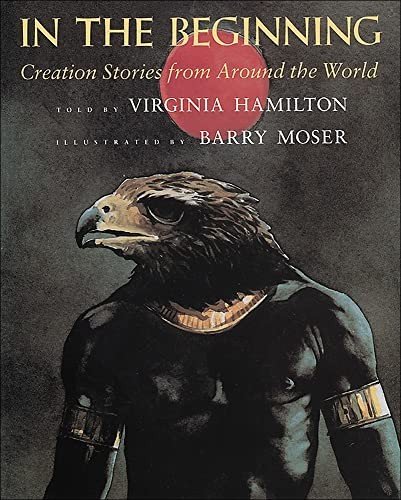
by Virginia Hamilton
Picture book · ages 5–9 · grades K–4 · 820L
Gorgeous, sophisticated, and genuinely restful — Hamilton's prose elevates world mythology without condescension, and Barry Moser's illustrations deepen the dreamlike authority of each story.
Complementing on a good life
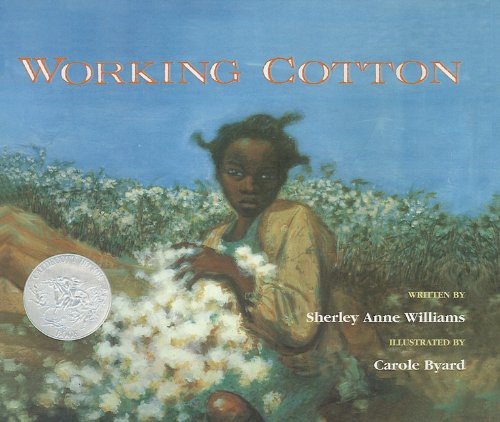
by Carole Byard
Picture book · ages 6–10 · grades 1–5 · 620L
Unflinching, lyrical, and told in the protagonist's own voice — this is the rare picture book that doesn't sentimentalize poverty but doesn't rob children of it either, and Carole Byard's collage art is extraordinary.
by Carole Boston Weatherford
Picture book · ages 6–10 · grades 1–5 · 620L
Weatherford's lyrical verse and Ekua Holmes's luminous watercolors create a deeply rooted meditation on family legacy and belonging — reads like a picture-book poem and lands with quiet power.
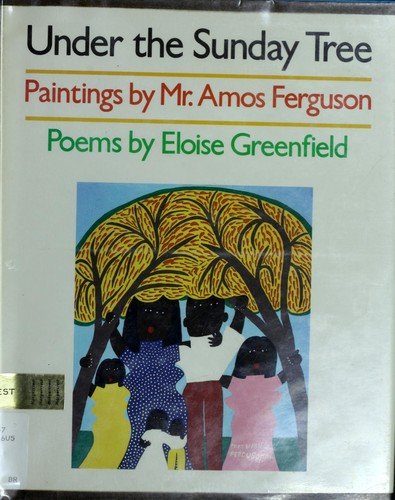
by Amos Ferguson
Picture book · ages 4–8 · grades K–3
A genuinely rare picture book that centers Bahamian life and culture without exoticizing it—luminous watercolors and verse that feel like a gift.
We'd skip — for now
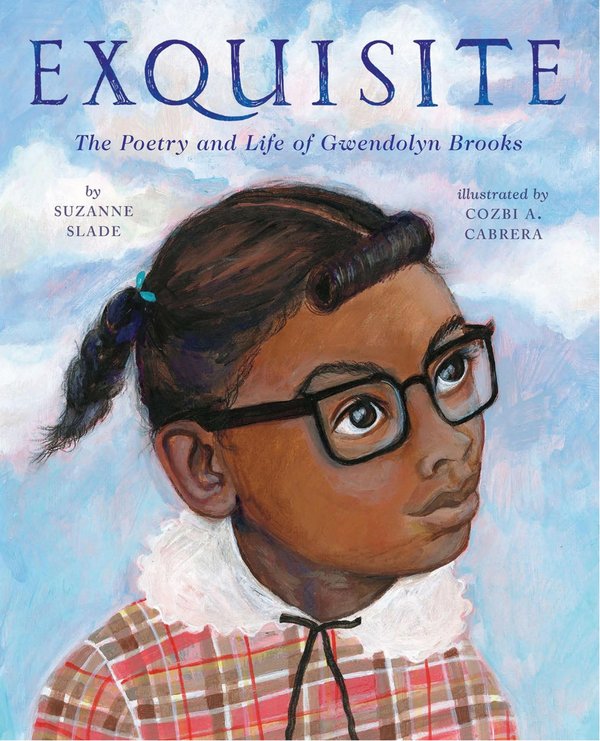
by Cozbi A. Cabrera
A step up — ages 8–12 · grades 3–7
Skip it if your child is uncomfortable with discussions of racial inequality or segregation — the book treats these as real forces Brooks had to navigate, not as background.
