For a reader who just finished
Books like You can't take your body to a car mechanic
after You can't take your body to a car mechanic by Fred Ehrlich · ages 4–8
Same style
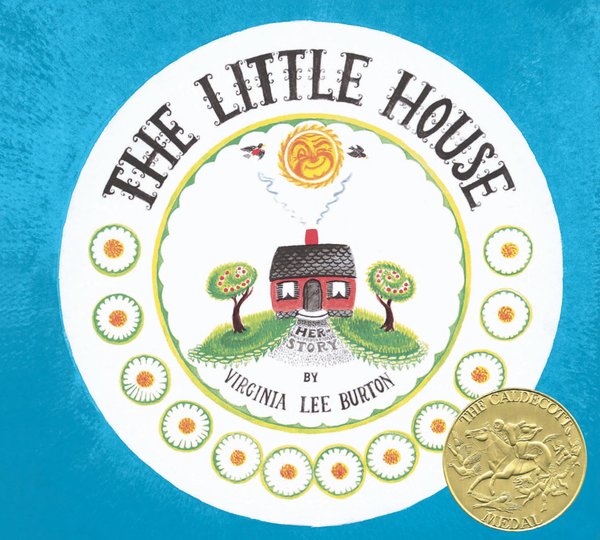
by Virginia Lee Burton
Picture book · ages 4–8 · grades K–3 · 550L
A 1942 Caldecott winner that still teaches environmental awareness and historical perspective without sentimentality—the illustrations do nearly all the storytelling work, making it perfect for nonverbal reflection with young kids.
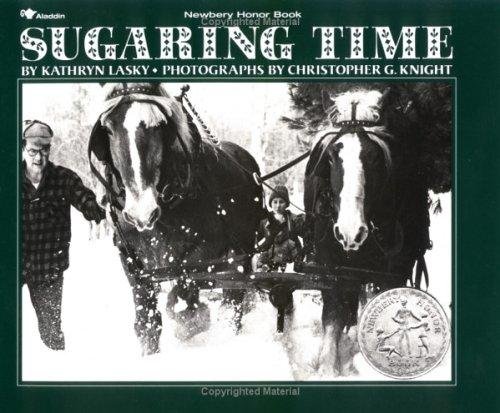
by Kathryn Lasky
Picture book · ages 5–9 · grades K–4 · 620L
A documentary-style picture book that makes process literacy exciting — kids grasp the whole arc from tree to table, and Lasky's matter-of-fact voice models scientific thinking without preaching.
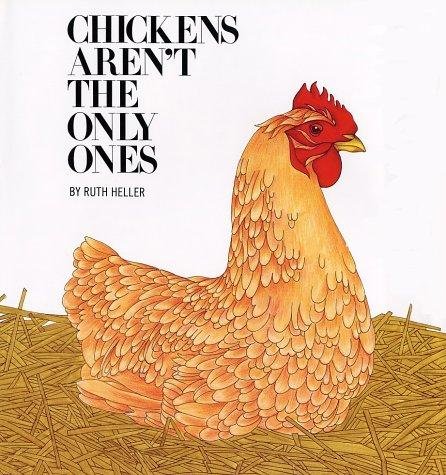
by Ruth Heller
Picture book · ages 4–8 · grades K–3 · 620L
Ruth Heller's masterpiece—rhyming couplets + intricate watercolor illustrations teach egg-laying across the animal kingdom while modeling scientific observation; kids absorb real taxonomy without noticing.
Stretch them up
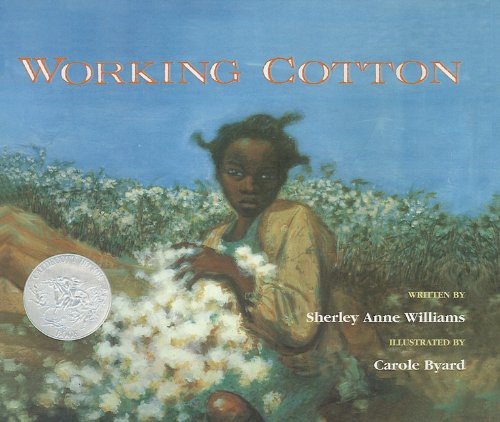
by Carole Byard
Picture book · ages 6–10 · grades 1–5 · 620L
Unflinching, lyrical, and told in the protagonist's own voice — this is the rare picture book that doesn't sentimentalize poverty but doesn't rob children of it either, and Carole Byard's collage art is extraordinary.
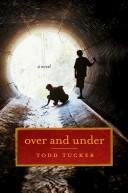
by Todd Tucker
Picture book · ages 4–8 · grades K–3 · 600L
A quiet masterpiece that teaches observation without a word of didacticism—kids naturally want to lift the flaps and peek, building real naturalist instincts.
by Ashley Bryan
Picture book · ages 4–8 · grades K–3 · 620L
Ashley Bryan's illustrations and oral storytelling rhythm make these Ghanaian and West African tales unforgettable; the humor lands on multiple levels and kids absorb cultural worldview without sermon.
Complementing on scientific method
by Kathryn Lasky
Picture book · ages 5–9 · grades K–4 · 620L
A documentary-style picture book that makes process literacy exciting — kids grasp the whole arc from tree to table, and Lasky's matter-of-fact voice models scientific thinking without preaching.
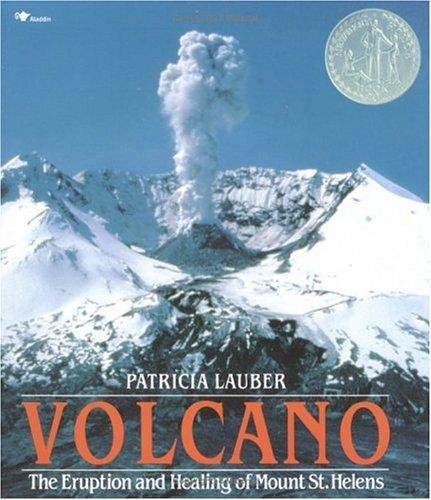
by Patricia Lauber
Nonfiction · ages 6–10 · grades 1–5 · 760L
Stunning photographic documentation of a real natural disaster and its aftermath—kids grasp cause-and-effect at landscape scale, and the healing narrative is genuinely hopeful without being saccharine.
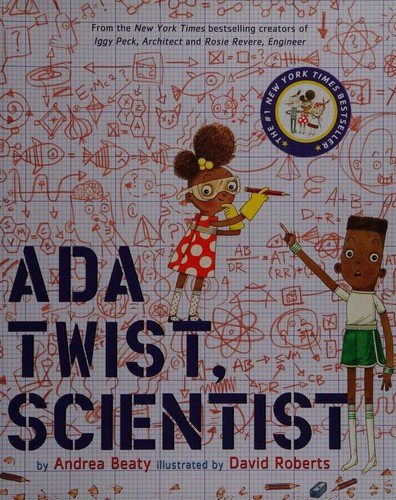
by Andrea Beaty
Picture book · ages 4–8 · grades K–3 · 620L
The best entry point to experimental thinking for this age—Ada's smell mystery is genuinely absorbing, and Beaty's rhyme scheme carries reluctant readers without condescension.
We'd skip — for now
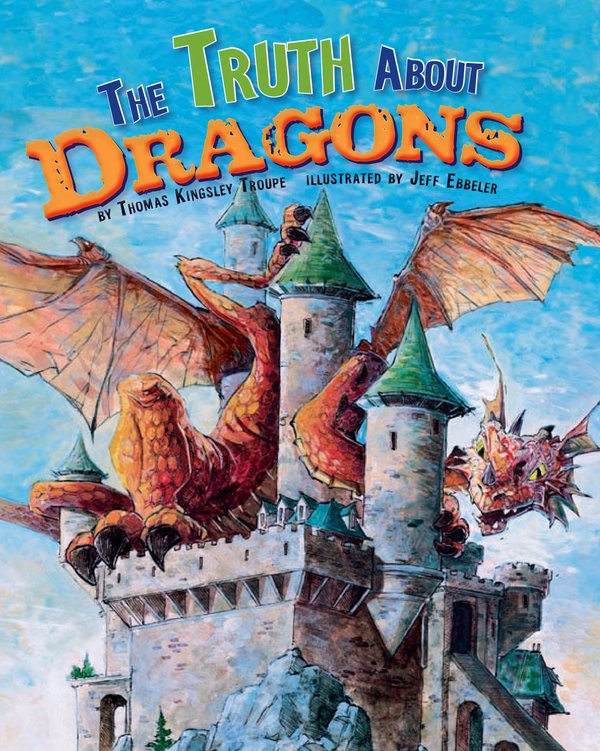
by Thomas Kingsley Troupe
A step up — ages 8–12 · grades 3–7
Skip it if your child expects fantasy dragons rather than a grounded investigation of historical accounts and cultural explanations.
