For a reader who just finished
Books like Where Do Chicks Come From?
after Where Do Chicks Come From? by Amy E. Sklansky · ages 3–7
Same style
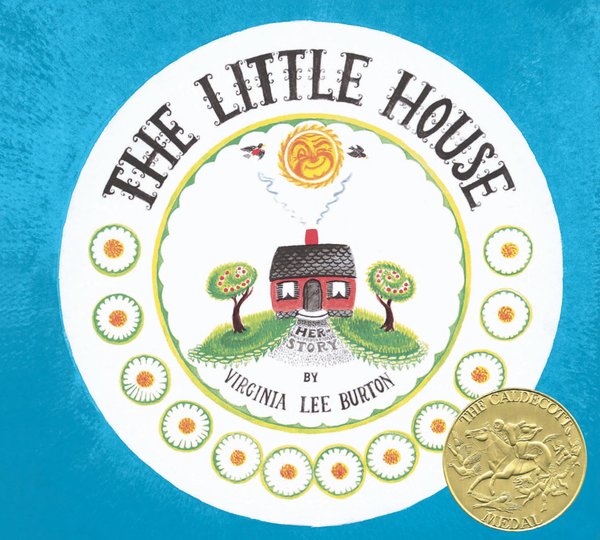
by Virginia Lee Burton
Picture book · ages 4–8 · grades K–3 · 550L
A 1942 Caldecott winner that still teaches environmental awareness and historical perspective without sentimentality—the illustrations do nearly all the storytelling work, making it perfect for nonverbal reflection with young kids.
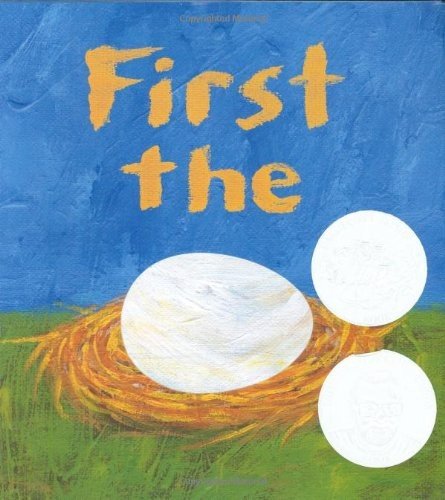
by Laura Vaccaro Seeger
Picture book · ages 2–5 · grade K
A nearly wordless picture book about transformation that preschoolers return to obsessively; the die-cut pages make the metamorphosis tactile and concrete.
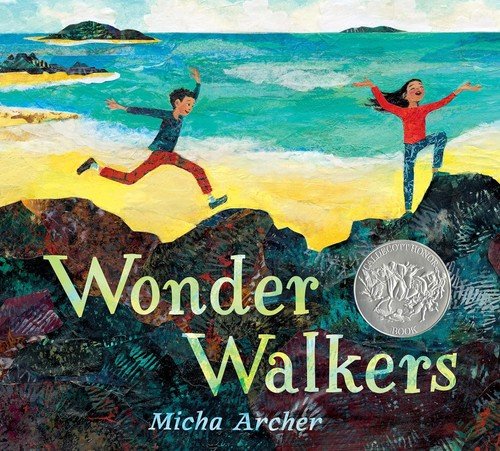
by Micha Archer
Picture book · ages 4–8 · grades K–3 · 420L
A quiet, joyful celebration of noticing — the kind of book that trains kids to actually *see* the world and ask real questions instead of moving past it.
Stretch them up
by Todd Tucker
Picture book · ages 4–8 · grades K–3 · 600L
A quiet masterpiece that teaches observation without a word of didacticism—kids naturally want to lift the flaps and peek, building real naturalist instincts.
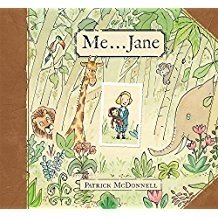
by Patrick McDonnell
Picture book · ages 4–8 · grades K–3 · 620L
McDonnell's watercolor dreaming captures the tender obsession of a girl with animals — this is how most naturalists start, and the book honors that without sentimentality.
by Ashley Bryan
Picture book · ages 4–8 · grades K–3 · 620L
Ashley Bryan's illustrations and oral storytelling rhythm make these Ghanaian and West African tales unforgettable; the humor lands on multiple levels and kids absorb cultural worldview without sermon.
Complementing on scientific method
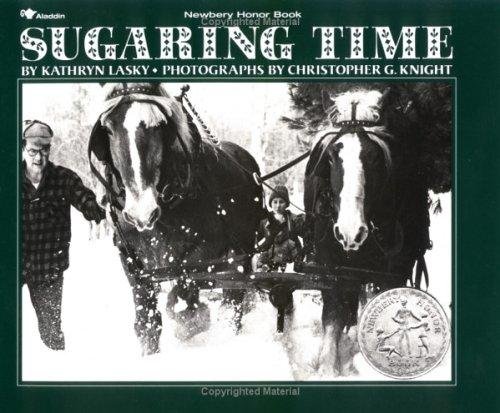
by Kathryn Lasky
Picture book · ages 5–9 · grades K–4 · 620L
A documentary-style picture book that makes process literacy exciting — kids grasp the whole arc from tree to table, and Lasky's matter-of-fact voice models scientific thinking without preaching.
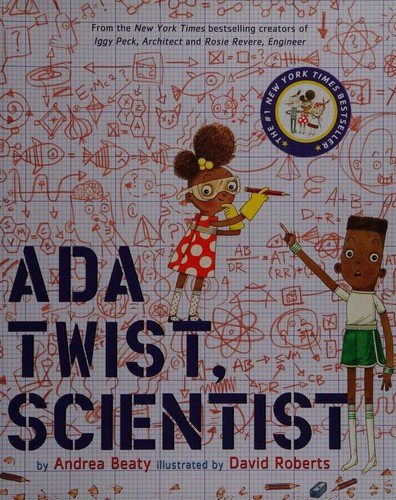
by Andrea Beaty
Picture book · ages 4–8 · grades K–3 · 620L
The best entry point to experimental thinking for this age—Ada's smell mystery is genuinely absorbing, and Beaty's rhyme scheme carries reluctant readers without condescension.
by Carl Sagan
Nonfiction
A 1980 classic that still holds — Sagan's measured wonder and clarity about the scale of the universe can genuinely shift how a curious 10+ kid sees their place in it.
We'd skip — for now
by Raina Telgemeier
A step up — ages 8–12 · grades 3–7
Skip it if your child has a recent dental trauma or injury they're still processing — the early accident is vivid and may feel uncomfortably resonant.
