
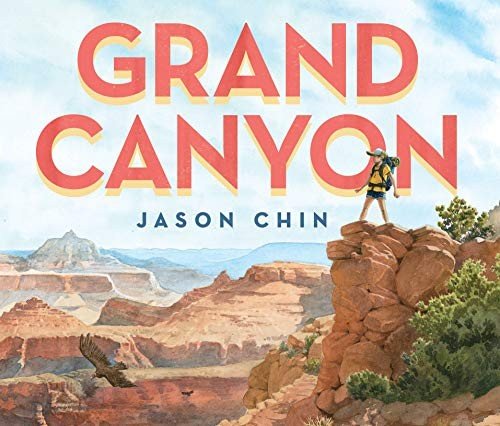
Grand Canyon
by Jason Chin
Picture book · ages 5–9 · grades K–4 · 620L
A picture book that treats deep time and geological process with poetic clarity; Chin's cutaway illustrations make 1.8 billion years visceral and navigable for a 6-year-old.
For a reader who just finished
after WHEN THE FOREST BREATHES by Suzanne Simard · ages 5–9
Same style
by Jason Chin
Picture book · ages 5–9 · grades K–4 · 620L
A picture book that treats deep time and geological process with poetic clarity; Chin's cutaway illustrations make 1.8 billion years visceral and navigable for a 6-year-old.
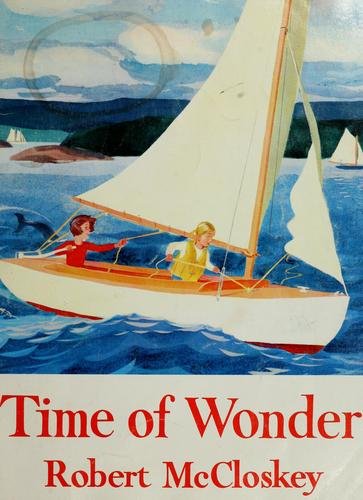
by Robert McCloskey
Picture book · ages 4–8 · grades K–3
McCloskey's most lyrical book — the illustrations *are* the narrative, and the poetic text models how to notice the small miracles of a place; worth returning to across childhood.
by Leo Politi
Picture book · ages 4–8 · grades K–3 · 620L
A 1946 Newbery winner that holds up: lyrical, culturally grounded, and teaches patient observation without preaching—the swallows are a genuine draw, not a metaphor.
Stretch them up
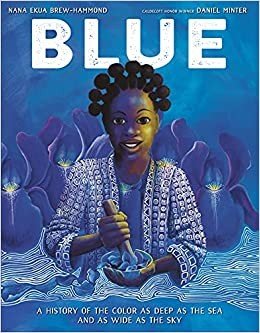
by Nana Ekua Brew-Hammond
Picture book · ages 4–8 · grades K–3 · 650L
A picture-book essay that treats a single color as a window into human ingenuity, trade, and art across continents — rare intellectual ambition for the age, paired with lush illustration that justifies every page.
by Leo Politi
Picture book · ages 4–8 · grades K–3 · 620L
A 1946 Newbery winner that holds up: lyrical, culturally grounded, and teaches patient observation without preaching—the swallows are a genuine draw, not a metaphor.
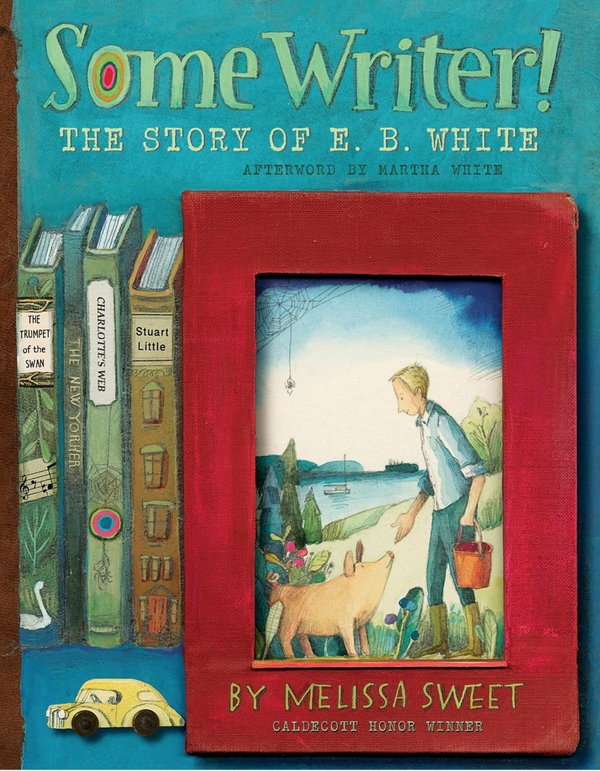
by Melissa Sweet
Picture book · ages 6–9 · grades 1–4 · 620L
Melissa Sweet's collage art and lyrical text make this feel less like a biography lesson and more like an invitation to notice the world the way E.B. White did—the best picture-book biography for this age.
Complementing on observation evidence
by Leo Politi
Picture book · ages 4–8 · grades K–3 · 620L
A 1946 Newbery winner that holds up: lyrical, culturally grounded, and teaches patient observation without preaching—the swallows are a genuine draw, not a metaphor.
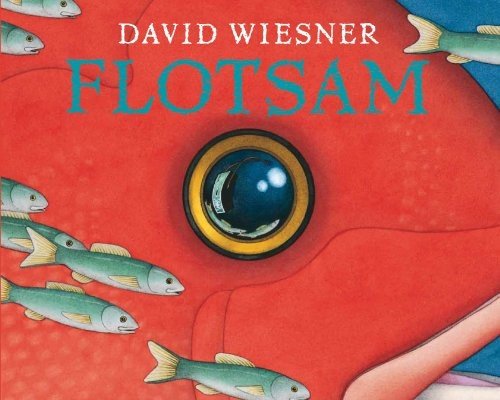
by David Wiesner
Picture book · ages 4–8 · grades K–3
A wordless masterpiece that teaches observation and sparks imagination without a single sentence—kids stare at the panels, construct their own theories, and beg to flip through it again.
by Todd Tucker
Picture book · ages 4–8 · grades K–3 · 600L
A quiet masterpiece that teaches observation without a word of didacticism—kids naturally want to lift the flaps and peek, building real naturalist instincts.
We'd skip — for now
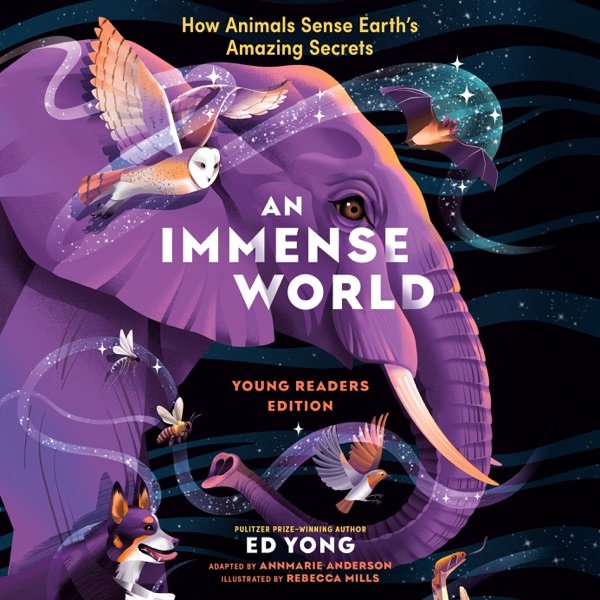
by Ed Yong
A step up — ages 10–14 · grades 5–9
Skip it if your child needs heavy illustration support to sustain attention through dense paragraphs; the visual breaks are sparse and concepts are abstract.