
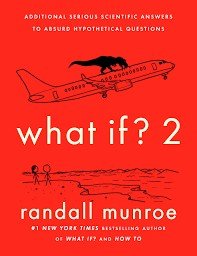
What If? 2
by Randall Munroe
Nonfiction · 1050L
A legitimately smart book disguised as humor — kids discover that rigorous thinking is funnier than jokes, and accidentally develop comfort with math and physics.
For a reader who just finished
after What If? Serious Scientific Answers to Absurd Hypothetical Questions by Randall Munroe · age 10+
Same style
by Randall Munroe
Nonfiction · 1050L
A legitimately smart book disguised as humor — kids discover that rigorous thinking is funnier than jokes, and accidentally develop comfort with math and physics.
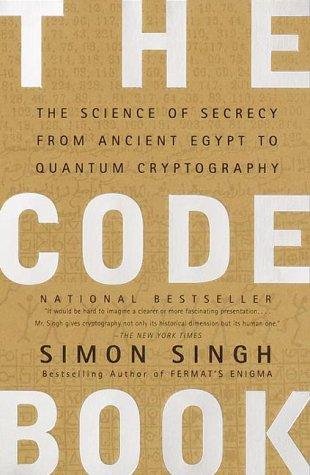
by Simon Singh
Nonfiction · age 10+ · grade 5+ · 1050L
The rare nonfiction book that reads like a thriller — kids who love puzzles or spy stories get hooked on the real mathematics and history without noticing they're learning.
by Candace Fleming
Nonfiction · ages 10–14 · grades 5–9 · 1050L
Gripping, scrupulously researched, and honest about what we don't know—a rare history book that treats kids as capable of handling both tragedy and ambiguity.
Complementing on scientific method
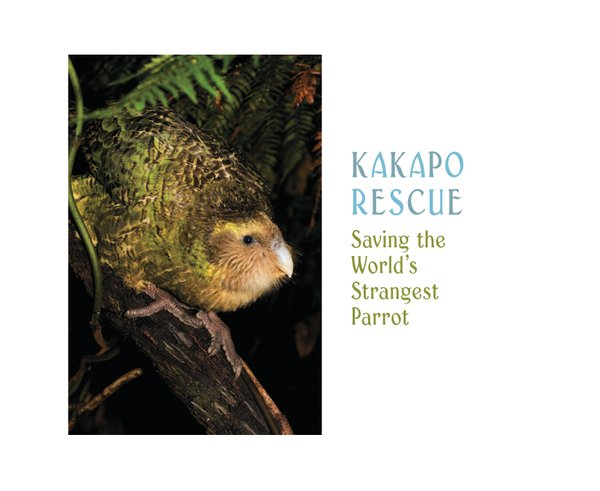
by Sy Montgomery
Nonfiction · ages 8–12 · grades 3–7 · 720L
Montgomery's infectious curiosity and on-the-ground reporting make conservation science visceral and urgent—kids finish this wanting to know how to help, not just what the problem is.
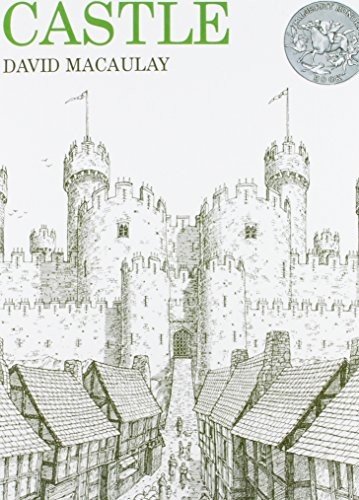
by David Macaulay
Nonfiction · ages 8–12 · grades 3–7 · 720L
Macaulay's masterpiece — architectural history made visceral through illustration and narrative; kids who engage deeply will ask real questions about how things are built.
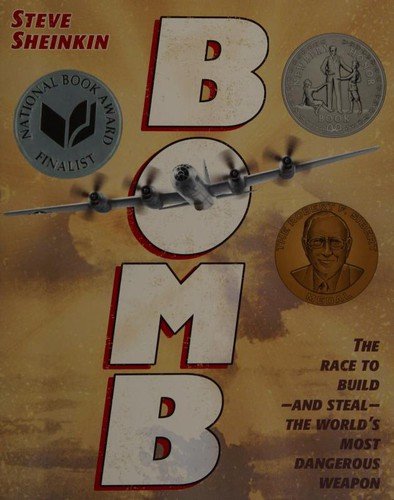
by Steve Sheinkin
Nonfiction · ages 10–14 · grades 5–9 · 820L
A genuine page-turner that makes nuclear physics and WWII espionage accessible to smart 11-year-olds without dumbing down the science or the moral complexity.
We'd skip — for now
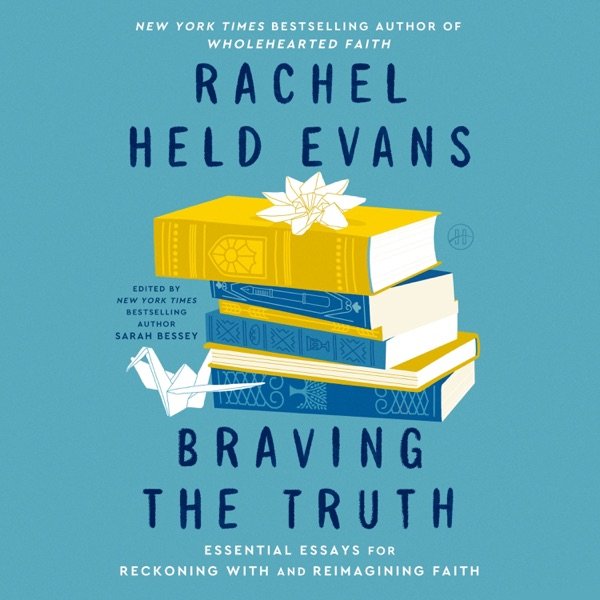
by Rachel Held Evans
A step up — ages 10–14 · grades 5–9
Skip it if your family's faith tradition emphasizes certainty over inquiry; this book is built for kids learning to hold complexity, not for kids being shielded from it.