For a reader who just finished
Books like Vingt mille lieues sous les mers
after Vingt mille lieues sous les mers by Jules Verne · ages 10–14
Same style
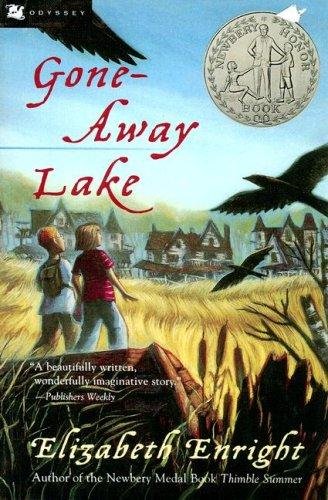
by Elizabeth Enright
Middle grade · ages 8–12 · grades 3–7 · 780L
A mid-century gem that rewards patient readers with atmospheric storytelling, complex child protagonists, and the kind of generational mystery that feels genuinely discovered, not handed down.
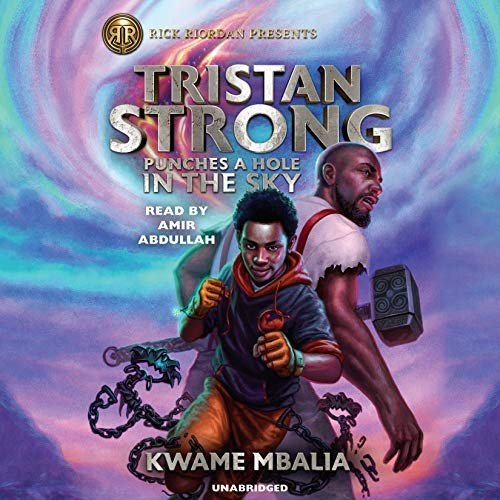
by Kwame Mbalia
Middle grade · ages 8–12 · grades 3–7 · 780L
A genuinely moving adventure that teaches Black history through myth and folklore rather than lecture; Tristan's arc is believable and the supporting cast of tricksters and ancestors is unforgettable.
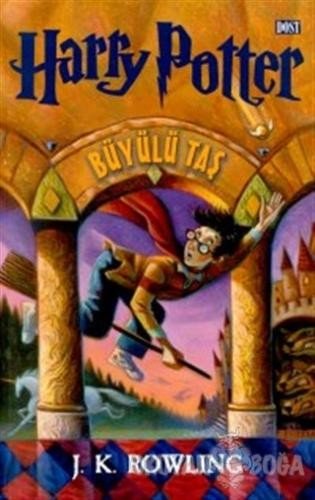
by J. K. Rowling
Middle grade · ages 9–12 · grades 4–7 · 880L
The book that redefined children's fiction — richly imagined world, genuine stakes, prose that respects young readers, and a protagonist's journey from isolation to belonging that doesn't feel saccharine.
Stretch them up
by J. R. R. Tolkien
Middle grade · ages 12–18 · grades 7–12 · 1000L
The gold standard for child-appropriate epic fantasy—long, demanding, and utterly worth it; kids who finish it have genuinely grown as readers and thinkers.
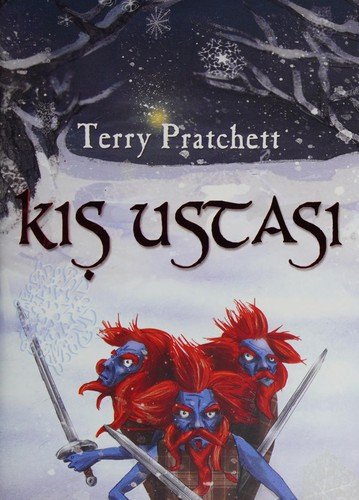
by Terry Pratchett
Young adult · ages 10–14 · grades 5–9 · 920L
Pratchett's most emotionally grounded Discworld novel—Tiffany's choice to refuse supernatural temptation in favor of her own calling lands harder than any romance, and the prose does real work making fairyland both beautiful and genuinely unsettling.
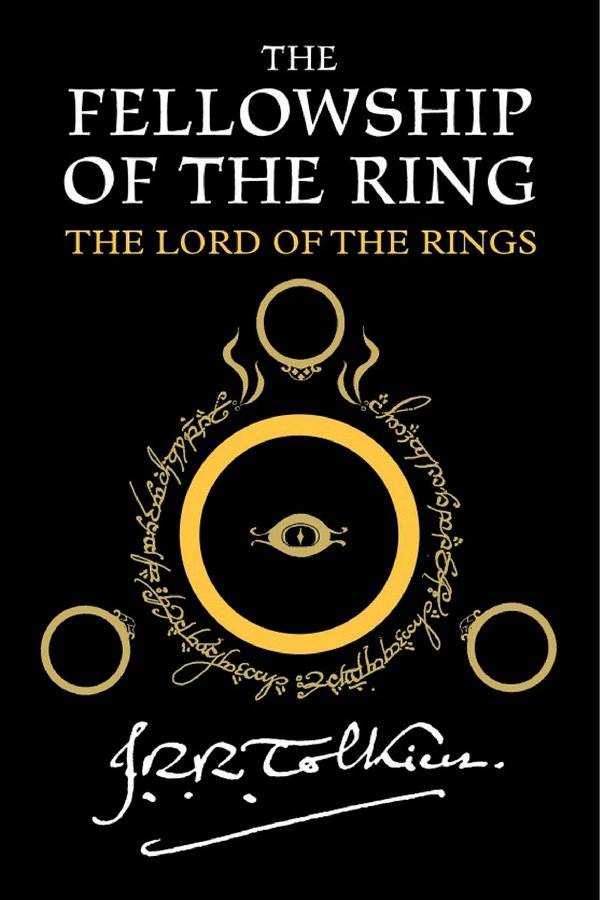
by J.R.R. Tolkien
Young adult · ages 12–18 · grades 7–12 · 1050L
The foundational fantasy epic — dense prose and a sprawling cast will test a 12-year-old's stamina, but kids who can stick with it experience the architecture of an entire imagined world and the rare pleasure of a book that respects their intelligence.
Complementing on scientific method
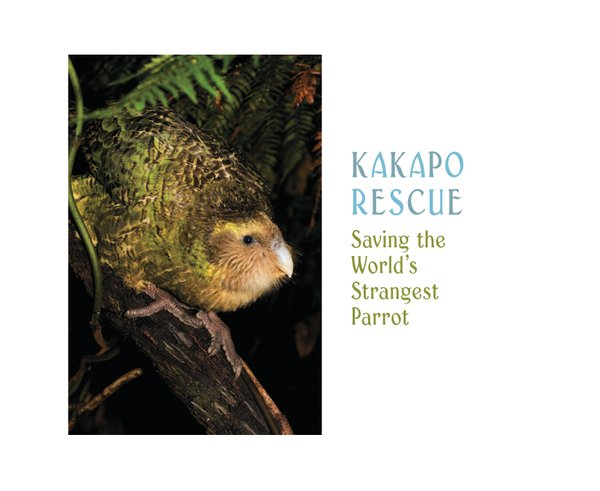
by Sy Montgomery
Nonfiction · ages 8–12 · grades 3–7 · 720L
Montgomery's infectious curiosity and on-the-ground reporting make conservation science visceral and urgent—kids finish this wanting to know how to help, not just what the problem is.
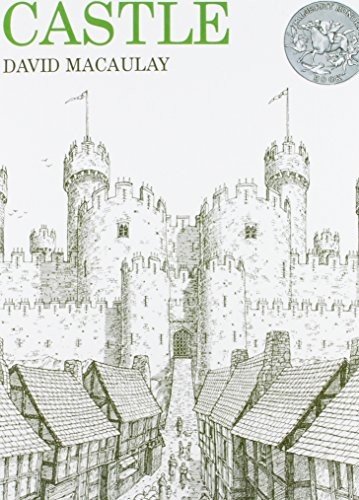
by David Macaulay
Nonfiction · ages 8–12 · grades 3–7 · 720L
Macaulay's masterpiece — architectural history made visceral through illustration and narrative; kids who engage deeply will ask real questions about how things are built.
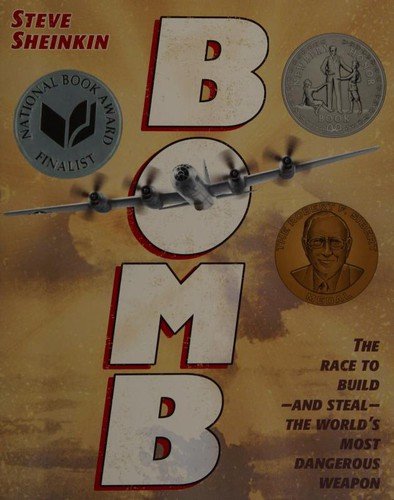
by Steve Sheinkin
Nonfiction · ages 10–14 · grades 5–9 · 820L
A genuine page-turner that makes nuclear physics and WWII espionage accessible to smart 11-year-olds without dumbing down the science or the moral complexity.
We'd skip — for now

by Temi Oh
A step up — ages 14–18 · grades 9–12
Skip it if your teen has experienced abandonment or family rejection recently; multiple characters' Earth-side trauma is a through-line that lands hard.
