
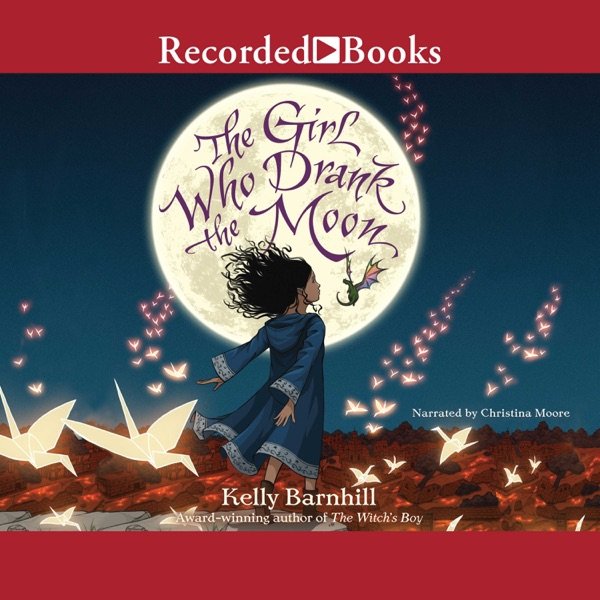
The Girl Who Drank the Moon
by Kelly Barnhill
Middle grade · ages 10–14 · grades 5–9 · 780L
A Newbery winner that earns it — lyrical prose, genuine emotional stakes, and a protagonist who chooses her own path rather than following a prophecy.
For a reader who just finished
after VILLAINS by Serena Valentino · ages 8–12
Same style
by Kelly Barnhill
Middle grade · ages 10–14 · grades 5–9 · 780L
A Newbery winner that earns it — lyrical prose, genuine emotional stakes, and a protagonist who chooses her own path rather than following a prophecy.
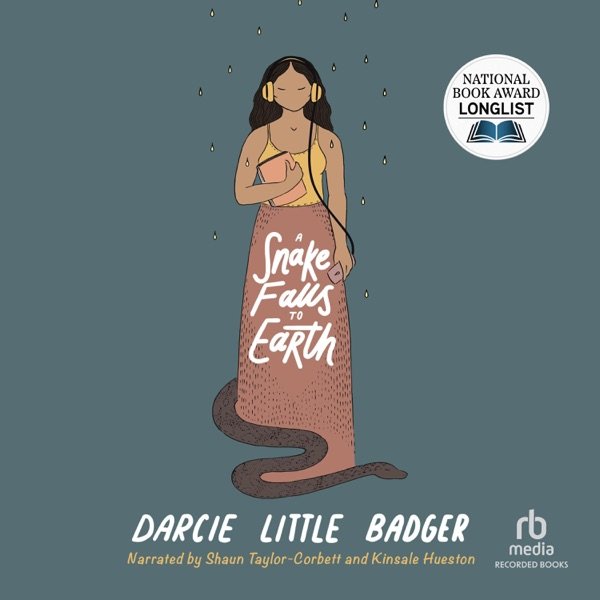
by Darcie Little Badger
Middle grade · ages 10–14 · grades 5–9 · 720L
A genuinely original middle-grade fantasy that centers Indigenous worldview and disability without sentimentality—the magic feels earned, the protagonist is unflinching, and the prose is gorgeous without being flowery.
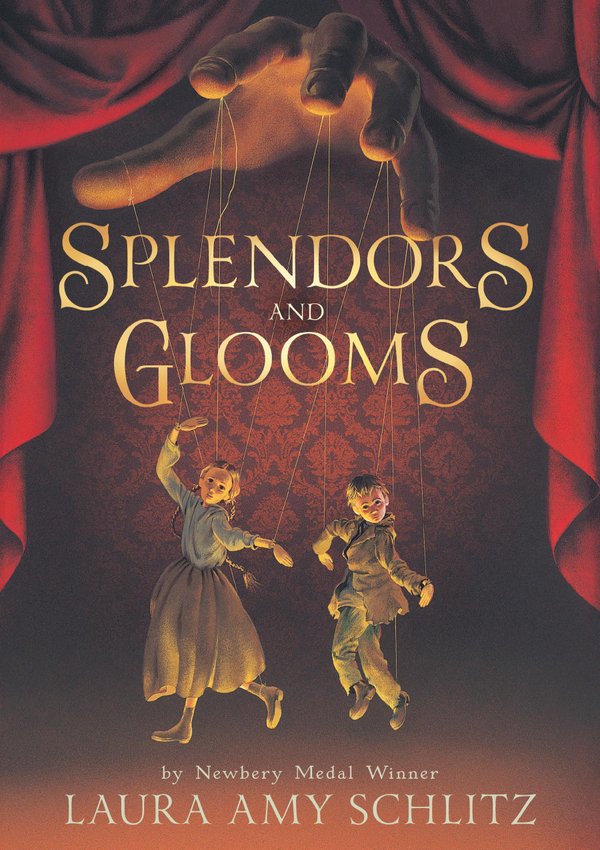
by Laura Amy Schlitz
Middle grade · ages 10–14 · grades 5–9 · 780L
A lavish, genuinely unsettling Victorian mystery with prose that sounds like it's from another century; kids who love atmospheric darkness and puzzle-plot will reread it.
Stretch them up
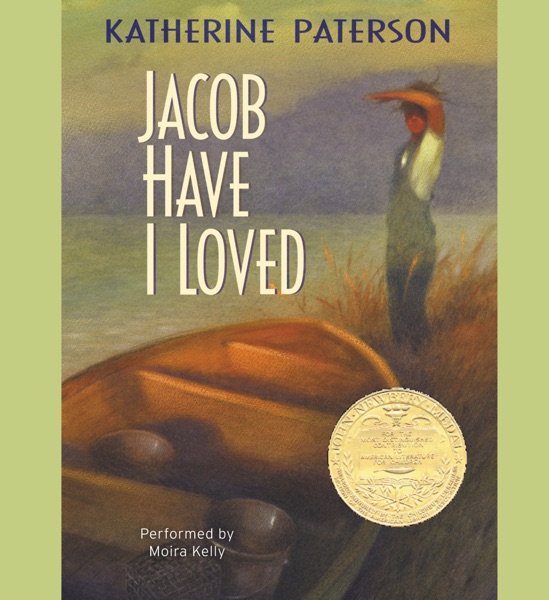
by Katherine Paterson
Middle grade · ages 10–14 · grades 5–9 · 820L
A Newbery winner that actually deserves it—Paterson writes sibling resentment and reconciliation with such honesty that kids recognize their own families, and the 1941 Chesapeake setting carries real historical weight without preaching.
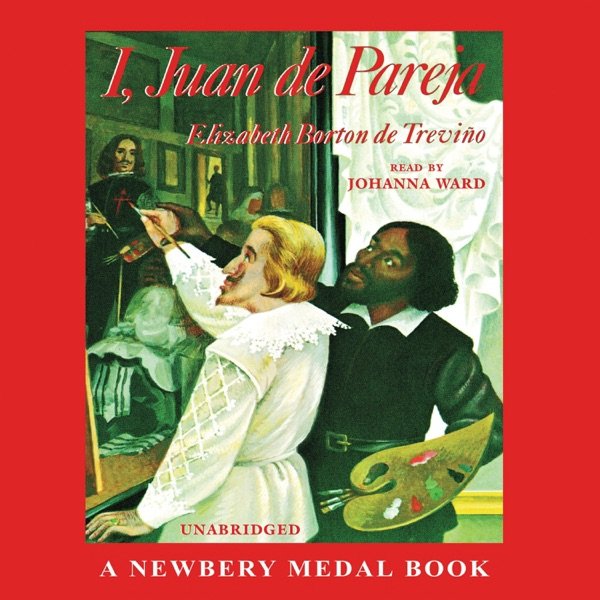
by Elizabeth Borton de Treviño
Middle grade · ages 10–14 · grades 5–9 · 820L
A Newbery winner that doesn't condescend—serious, historically grounded, and genuinely about how one person's refusal to accept powerlessness can remake a life; the prose is elegant and the emotional core is real.
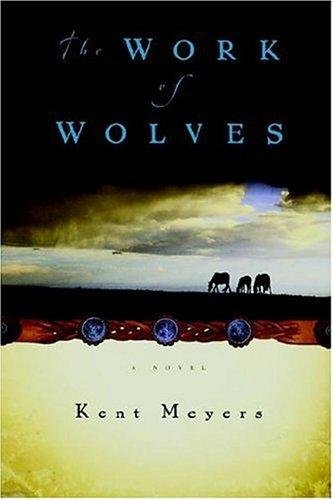
by Kent Meyers
Middle grade · ages 10–14 · grades 5–9 · 780L
Quiet, grounded coming-of-age where a Nebraska kid learns to trust observation over inherited fear—Meyers' prose is deliberate and the wolf ecology is genuinely taught, not romanticized.
Complementing on perspective taking
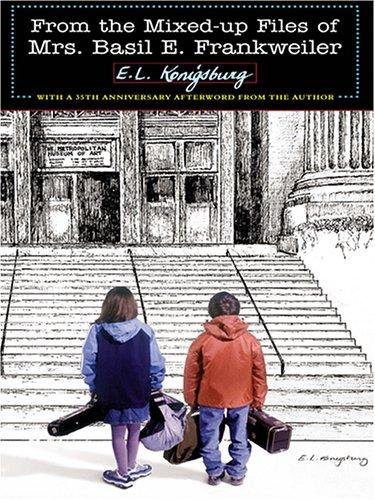
by E. L. Konigsburg
Middle grade · ages 8–12 · grades 3–7 · 790L
A book that trusts kids to be intellectually bored and emotionally complex—Claudia's runaway isn't melodrama, it's a quiet reckoning with identity that lands harder on rereads.
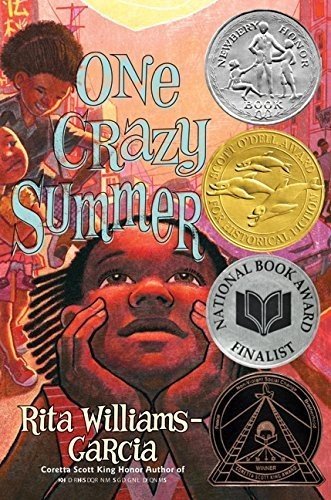
by Rita Williams-Garcia
Middle grade · ages 8–12 · grades 3–7 · 750L
A richly layered book about sisterhood, identity, and reckoning with parental complexity that treats kids' emotional intelligence seriously—the ending doesn't tidy up, which is exactly why it stays with them.
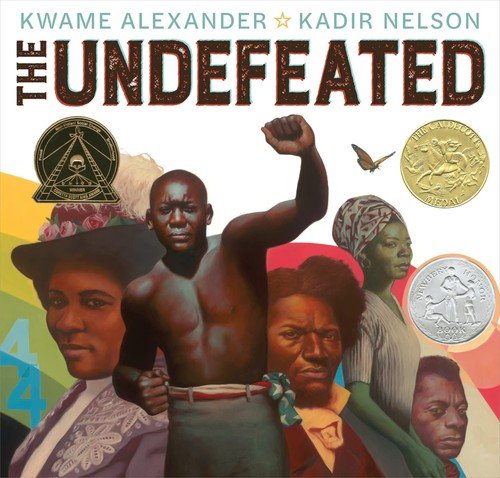
by Kwame Alexander
Verse novel · ages 10–14 · grades 5–9 · 620L
A landmark book that uses verse to make 500 years of Black American history personal and urgent—kids understand their own power within a larger story.
We'd skip — for now
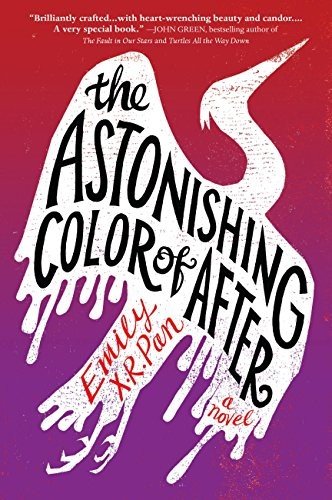
by Emily X.R. Pan
A step up — ages 14–18 · grades 9–12
Skip it if your family is actively grieving a suicide or if your teen hasn't developed emotional vocabulary for depression and suicidal ideation—this book demands and rewards that maturity, but it's not a light read.