For a reader who just finished
Books like Through the Looking-Glass
after Through the Looking-Glass by Lewis Carroll · ages 6–10
Same style
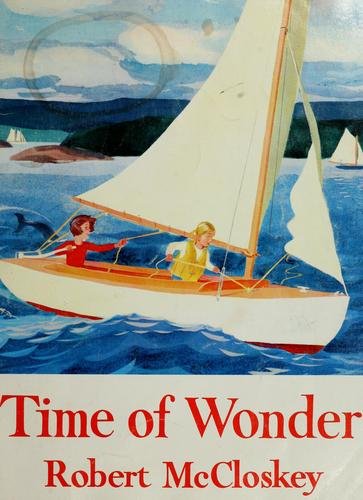
by Robert McCloskey
Picture book · ages 4–8 · grades K–3
McCloskey's most lyrical book — the illustrations *are* the narrative, and the poetic text models how to notice the small miracles of a place; worth returning to across childhood.
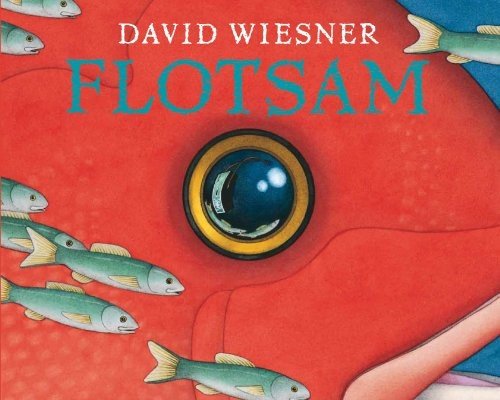
by David Wiesner
Picture book · ages 4–8 · grades K–3
A wordless masterpiece that teaches observation and sparks imagination without a single sentence—kids stare at the panels, construct their own theories, and beg to flip through it again.
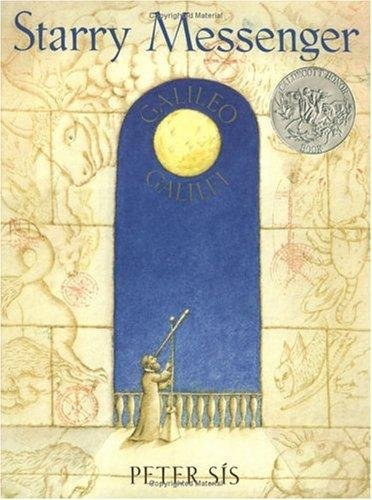
by Peter Sís
Picture book · ages 4–8 · grades K–3
Peter Sís's most stunning achievement—lush, intricate illustrations and a lyrical text that makes Galileo's intellectual bravery visible to young readers without ever condescending to the subject.
Stretch them up
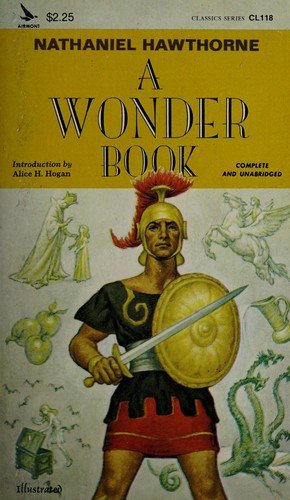
by Nathaniel Hawthorne
Picture book · ages 5–10 · grades K–5 · 1100L
Hawthorne's 19th-century prose is ornate and demanding, but the mythological tales are vivid enough to anchor a child's understanding of classical heroes—better as a read-aloud than independent reading for most 7–9 year-olds.
Complementing on truth
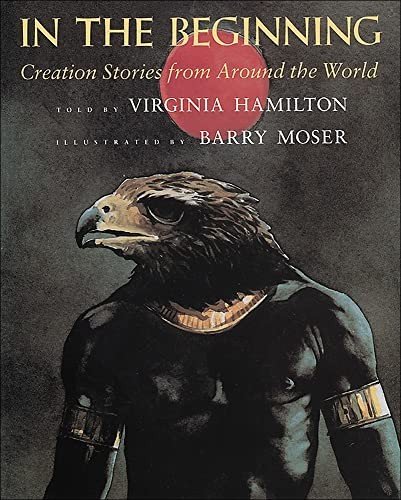
by Virginia Hamilton
Picture book · ages 5–9 · grades K–4 · 820L
Gorgeous, sophisticated, and genuinely restful — Hamilton's prose elevates world mythology without condescension, and Barry Moser's illustrations deepen the dreamlike authority of each story.
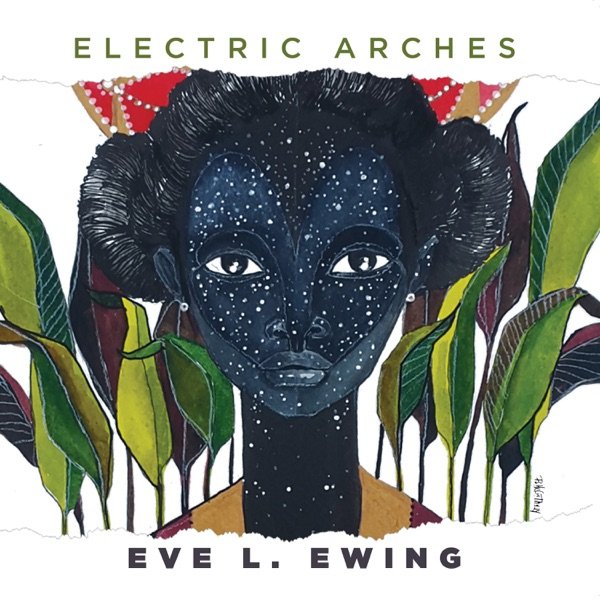
by Eve Ewing
Verse novel
A collection for young poets and teenagers grappling with race, place, and belonging; dense and unflinching about Chicago's history of segregation, gentrification, and resistance—not a gateway poetry book, but a necessary one.
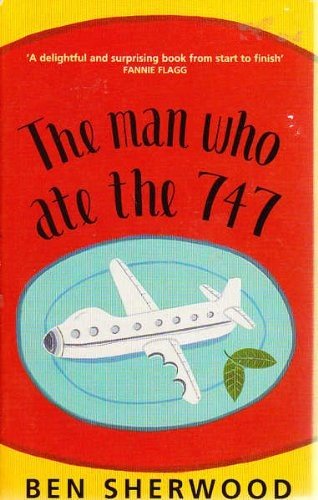
by Ben Sherwood
Nonfiction · 1050L
A clever, unsettling adult-crossover essay that teaches skepticism through a true story of a man who ate metal—ideal for older kids beginning to question media and narrative authority.
We'd skip — for now
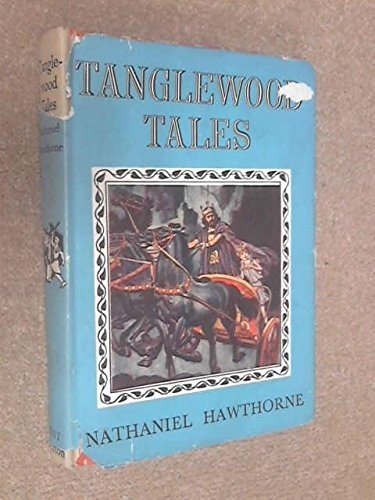
by Nathaniel Hawthorne
A step up — ages 10–14 · grades 5–9
Skip it if your child finds classical mythology intimidating or prefers modern retellings (Rick Riordan) to literary adaptations.
