For a reader who just finished
Books like Their Eyes Were Watching God
after Their Eyes Were Watching God by Zora Neale Hurston · ages 14–18
Same style
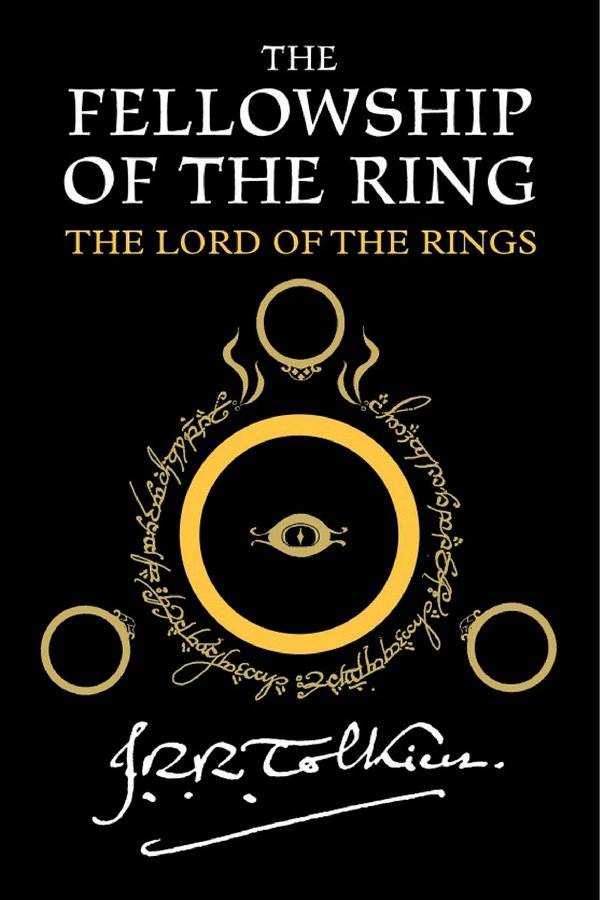
by J.R.R. Tolkien
Young adult · ages 12–18 · grades 7–12 · 1050L
The foundational fantasy epic — dense prose and a sprawling cast will test a 12-year-old's stamina, but kids who can stick with it experience the architecture of an entire imagined world and the rare pleasure of a book that respects their intelligence.
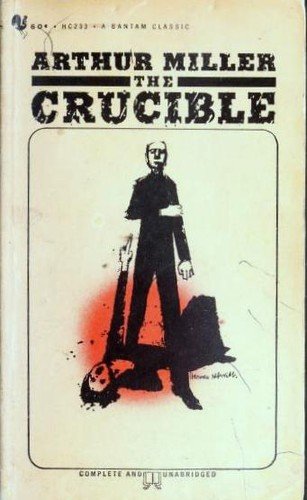
by Arthur Miller
Young adult · ages 14–18 · grades 9–12 · 1050L
A play about mass hysteria and coerced confession that lands harder after every election cycle — teens wrestle with why good people participate in injustice, and it's the rare YA text that trusts them with that complexity.
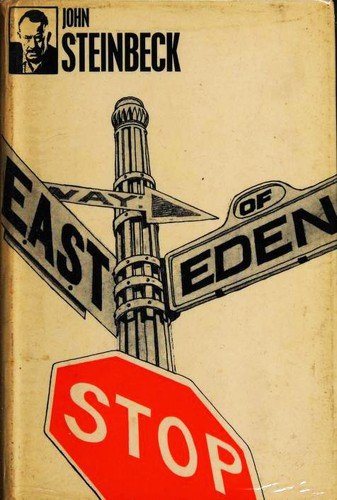
by John Steinbeck
Young adult · 1050L
The most philosophically rigorous American family saga; demands intellectual maturity but rewards it with a genuinely moral argument about choice and human nature that lands harder at 15–16 than at 12.
Stretch them up
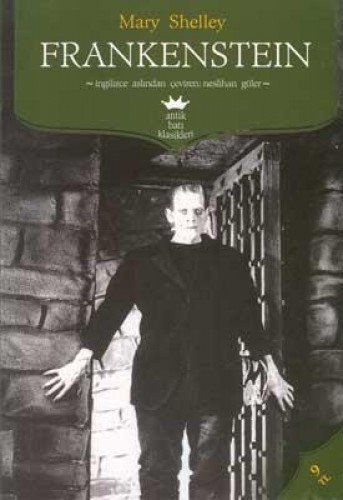
by Mary Shelley
Young adult · ages 12–18 · grades 7–12 · 1180L
A genuinely haunting exploration of responsibility, isolation, and monstrosity that holds up—the creature is more eloquent and sympathetic than Victor, and that inversion lands harder on a reread.
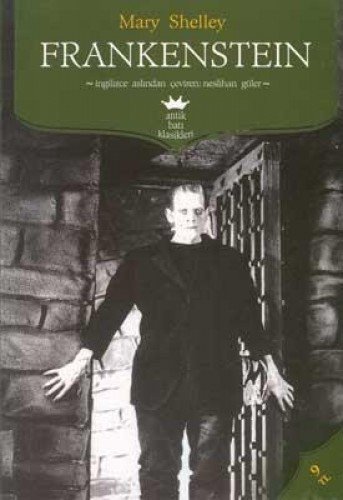
by Mary Shelley
Young adult · ages 13–18 · grades 8–12 · 1220L
Dense 19th-century prose and frame-story structure demand patient readers, but the creature's own voice is one of literature's great moral achievements—genuinely unsettling not for gore but for questions about creation, worth, and cruelty.
by Homer
Young adult · ages 12–18 · grades 7–12 · 1200L
A foundational epic with real bite—the supernatural menace and maritime peril land, the politics of honor and homecoming still sting, and most 12+ readers surprise themselves by wanting to know what happens next.
Complementing on a good life
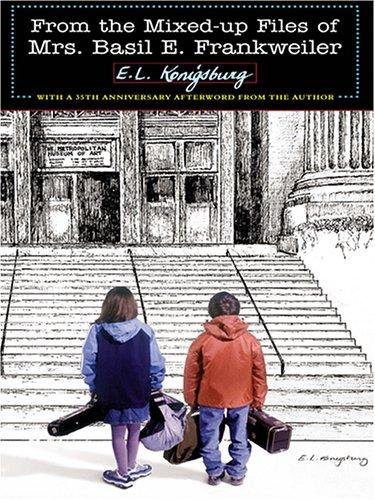
by E. L. Konigsburg
Middle grade · ages 8–12 · grades 3–7 · 790L
A book that trusts kids to be intellectually bored and emotionally complex—Claudia's runaway isn't melodrama, it's a quiet reckoning with identity that lands harder on rereads.
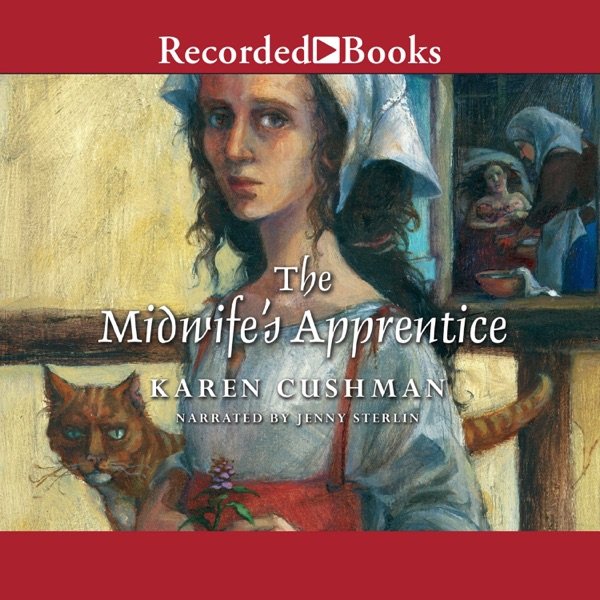
by Karen Cushman
Middle grade · ages 10–14 · grades 5–9 · 780L
A Newbery winner that earns it: a girl with no name becomes herself through honest work and adult recognition; the medieval setting and childbirth apprenticeship feel urgent and real, not decorative.
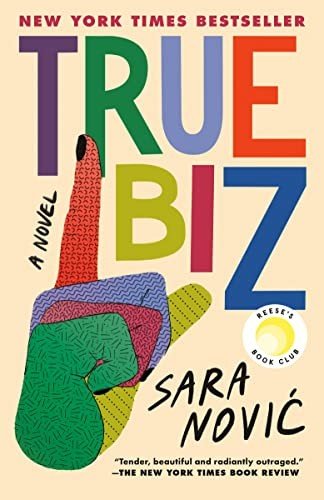
by Sara Nović
Middle grade · ages 10–14 · grades 5–9 · 820L
A genuinely original YA-crossover novel that treats Deaf culture as protagonist, not obstacle—kids learn to think in sign while wrestling with identity questions that feel urgent, not didactic.
