For a reader who just finished
Books like The Young United States, 1783–1830
after The Young United States, 1783–1830 by Edwin Tunis · ages 8–12
Same style
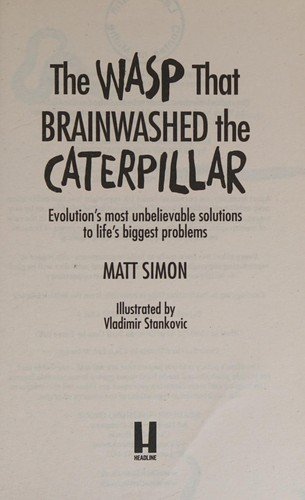
by Matt Simon
Nonfiction · ages 8–12 · grades 3–7 · 780L
The funniest animal-science book for this age—Simon's deadpan voice makes parasitism and manipulation genuinely thrilling, and kids walk away actually understanding how coevolution works.
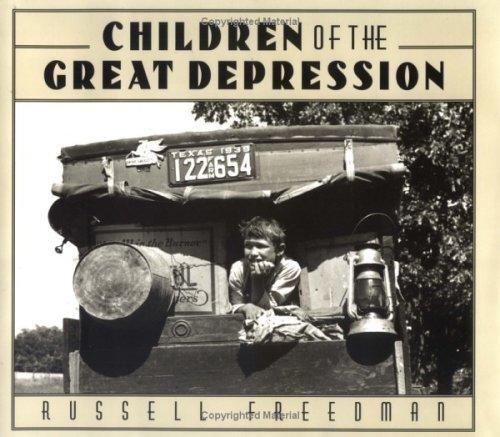
by Russell Freedman
Nonfiction · ages 10–14 · grades 5–9 · 800L
Freedman's photographs and firsthand accounts make economic hardship visceral without trauma—kids understand scarcity and resilience through real children's voices, not sentiment.
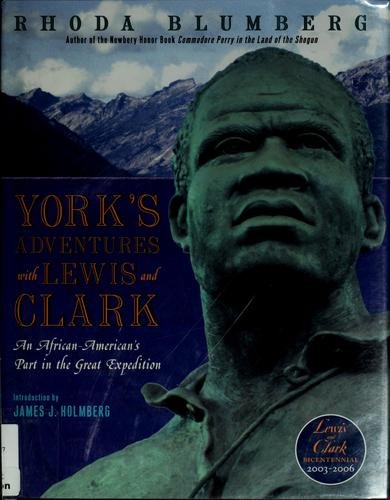
by Rhoda Blumberg
Nonfiction · ages 8–12 · grades 3–7 · 790L
The only children's biography that treats York as a thinking subject rather than a sidecar to Lewis and Clark; Blumberg's honesty about historical gaps models what real scholarship looks like.
Complementing on a good life
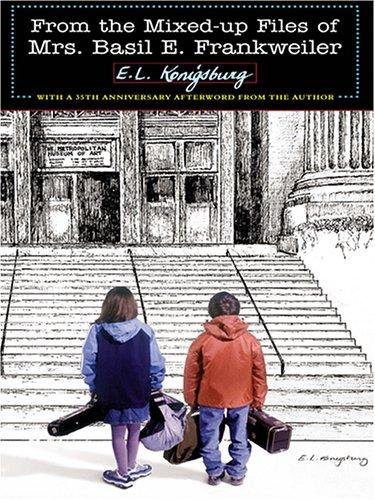
by E. L. Konigsburg
Middle grade · ages 8–12 · grades 3–7 · 790L
A book that trusts kids to be intellectually bored and emotionally complex—Claudia's runaway isn't melodrama, it's a quiet reckoning with identity that lands harder on rereads.
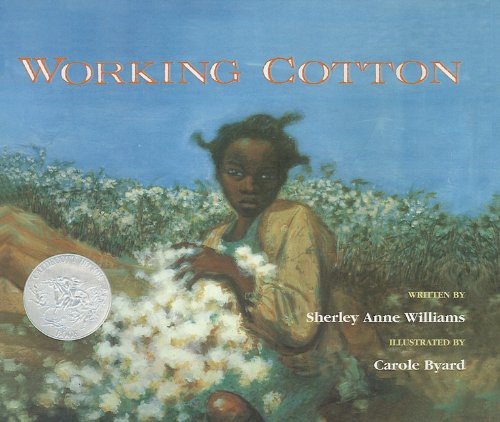
by Carole Byard
Picture book · ages 6–10 · grades 1–5 · 620L
Unflinching, lyrical, and told in the protagonist's own voice — this is the rare picture book that doesn't sentimentalize poverty but doesn't rob children of it either, and Carole Byard's collage art is extraordinary.
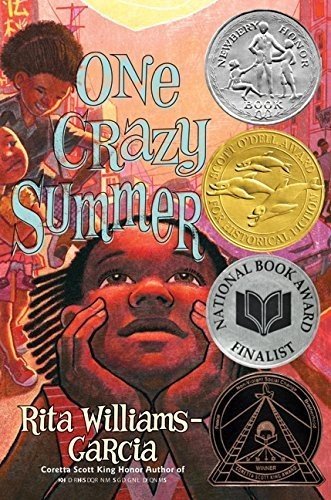
by Rita Williams-Garcia
Middle grade · ages 8–12 · grades 3–7 · 750L
A richly layered book about sisterhood, identity, and reckoning with parental complexity that treats kids' emotional intelligence seriously—the ending doesn't tidy up, which is exactly why it stays with them.
We'd skip — for now
by Kathy Belge
A step up — ages 13–18 · grades 8–12
Skip it if your teen is not ready to read about sexual orientation and gender identity in explicit terms, or if family values fundamentally oppose LGBTQ+ content.
