For a reader who just finished
Books like The Wump World
after The Wump World by Bill Peet · ages 4–8
Same style
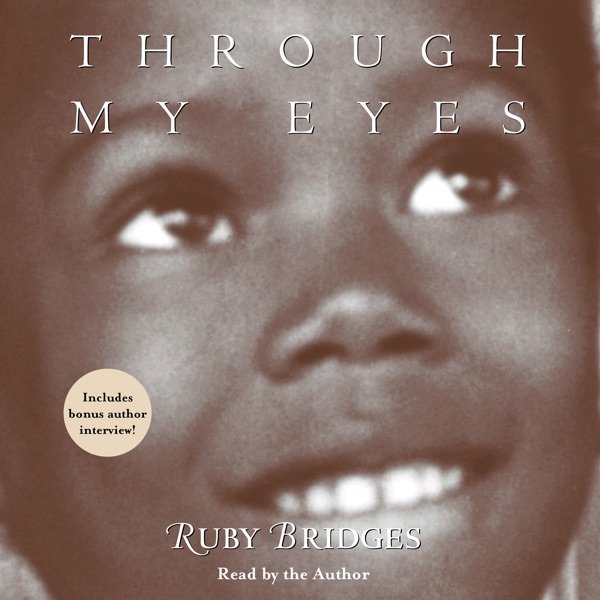
by Ruby Bridges
Picture book · ages 6–10 · grades 1–5 · 620L
The gold standard for introducing desegregation to early readers—Ruby's voice is calm and observant, the pictures are unflinching without being sensationalized, and the book trusts kids to understand why this matters.
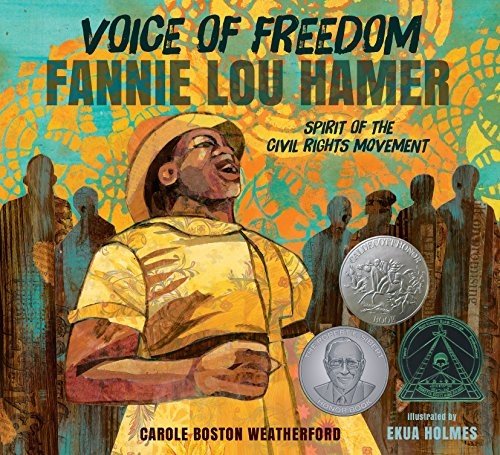
by Ekua Holmes
Picture book · ages 6–9 · grades 1–4 · 620L
A picture book that does not talk down to kids about racism or courage—Holmes's collage art and Hamer's own voice (via quotations) make her resilience vivid and real, not sanitized.
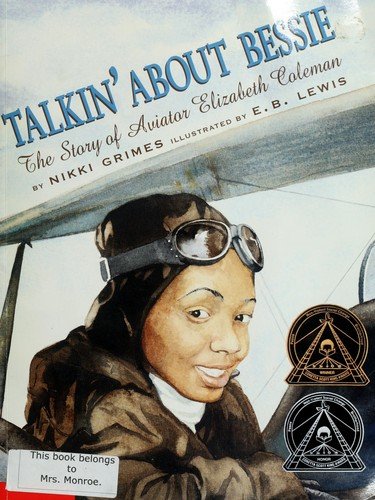
by Nikki Grimes
Picture book · ages 6–9 · grades 1–4 · 620L
Nikki Grimes's verse biography is the gold standard for introducing young readers to persistence against systemic barriers—Bessie Coleman's refusal to accept 'no' feels genuinely inspiring, not preached.
Stretch them up

by Faith Ringgold
Picture book · ages 4–8 · grades K–3 · 650L
A picture book that works at 6 and deepens at 9—Ringgold's quilted illustrations and Cassie's dreaming of flight and ownership will stick with your kid for years, and the 1930s Harlem setting opens conversations about racism, class, and what freedom means.
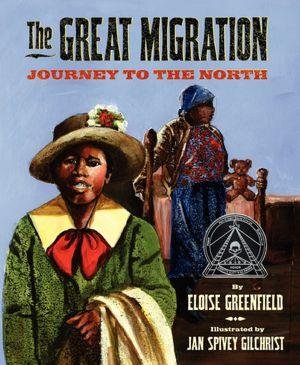
by Eloise Greenfield
Picture book · ages 6–9 · grades 1–4 · 620L
Eloise Greenfield's only children's book about the Great Migration—lyrical, historically grounded, and emotionally honest without being heavy; the illustrations anchor abstract history in real bodies and faces.
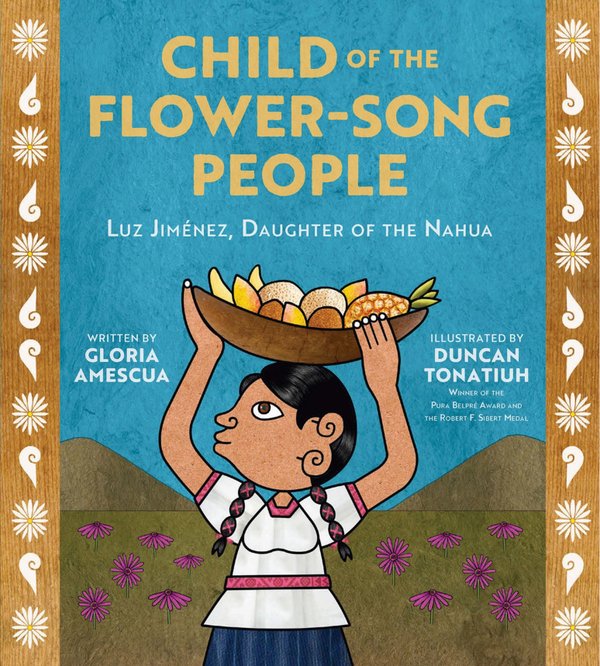
by Gloria Amescua
Picture book · ages 5–9 · grades K–4 · 620L
A radiant, historically grounded picture biography that centers an Indigenous Mexican girl's artistry and cultural transmission—rare, necessary, and illustrated with beauty that matches the text.
Complementing on observation evidence
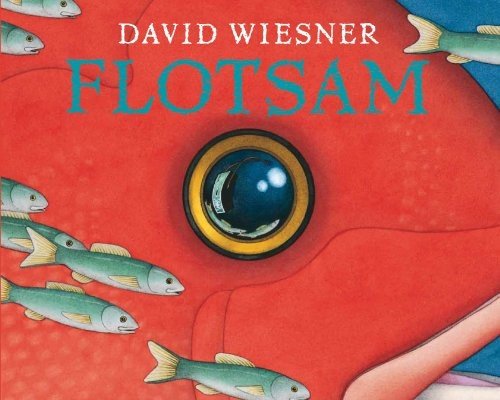
by David Wiesner
Picture book · ages 4–8 · grades K–3
A wordless masterpiece that teaches observation and sparks imagination without a single sentence—kids stare at the panels, construct their own theories, and beg to flip through it again.
by Leo Politi
Picture book · ages 4–8 · grades K–3 · 620L
A 1946 Newbery winner that holds up: lyrical, culturally grounded, and teaches patient observation without preaching—the swallows are a genuine draw, not a metaphor.
by Todd Tucker
Picture book · ages 4–8 · grades K–3 · 600L
A quiet masterpiece that teaches observation without a word of didacticism—kids naturally want to lift the flaps and peek, building real naturalist instincts.
We'd skip — for now
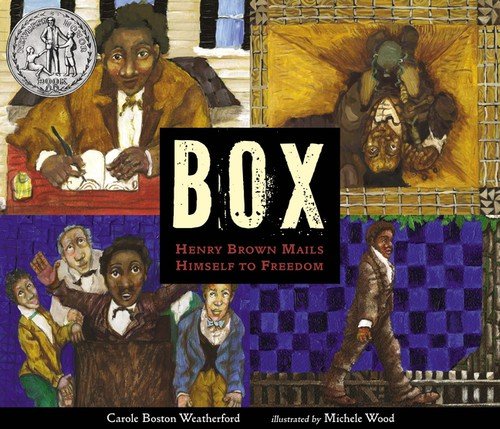
by Carole Boston Weatherford
A step up — ages 8–12 · grades 3–7
Skip it if your child has not yet discussed slavery with you; the reality of bondage and psychological toll are present beneath the triumph.
