
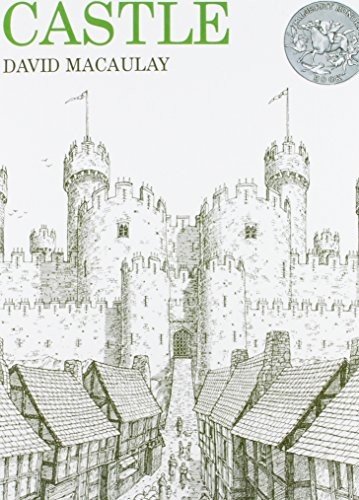
Castle
by David Macaulay
Nonfiction · ages 8–12 · grades 3–7 · 720L
Macaulay's masterpiece — architectural history made visceral through illustration and narrative; kids who engage deeply will ask real questions about how things are built.
For a reader who just finished
after The Tipping Point by Malcolm Gladwell
Same style
by David Macaulay
Nonfiction · ages 8–12 · grades 3–7 · 720L
Macaulay's masterpiece — architectural history made visceral through illustration and narrative; kids who engage deeply will ask real questions about how things are built.
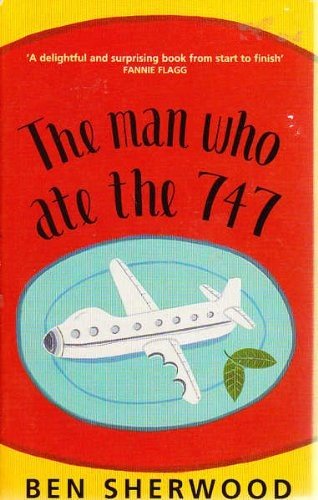
by Ben Sherwood
Nonfiction · 1050L
A clever, unsettling adult-crossover essay that teaches skepticism through a true story of a man who ate metal—ideal for older kids beginning to question media and narrative authority.
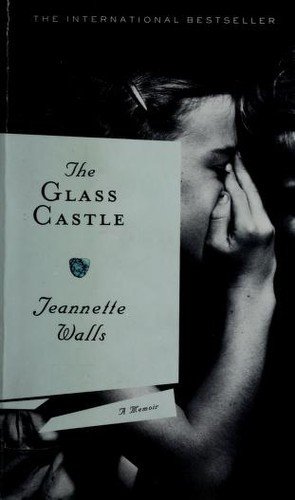
by Jeannette Walls
Nonfiction · 1010L
A brutal, unflinching family portrait that reads like a grown woman finally telling the truth—emotionally mature 13-year-olds will feel seen by the specificity, but younger readers will miss the nuance and need real preparation.
Complementing on cause effect
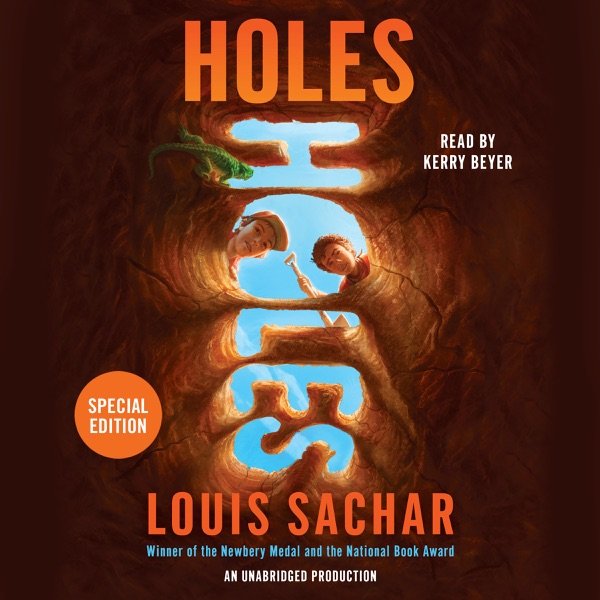
by Louis Sachar
Middle grade · ages 10–14 · grades 5–9 · 740L
A masterwork of interlocking narratives that rewards rereading — kids solve the mystery alongside Stanley, and the structure itself teaches cause-and-effect thinking.
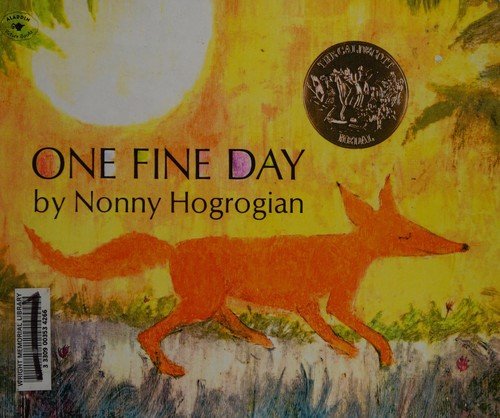
by Nonny Hogrogian
Picture book · ages 4–8 · grades K–3 · 300L
A Caldecott winner that holds up: the circular chain-of-consequence plot is elegant enough to reward rereads, and Hogrogian's folk-art illustrations ground an abstract concept in a lived village.
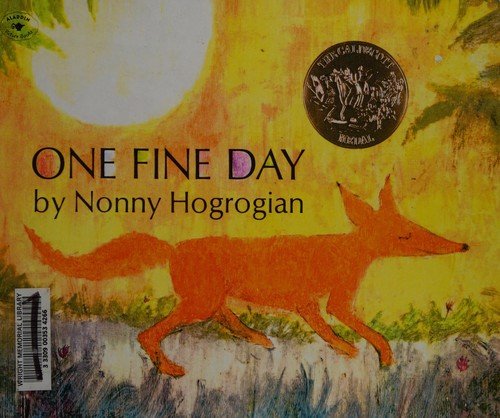
by Nonny Hogrogian
Picture book · ages 4–8 · grades K–3 · 300L
A Caldecott winner that holds up: the circular chain-of-consequence plot is elegant enough to reward rereads, and Hogrogian's folk-art illustrations ground an abstract concept in a lived village.