For a reader who just finished
Books like The survival guide to bullying
after The survival guide to bullying by Aija Mayrock · ages 10–14
Same style
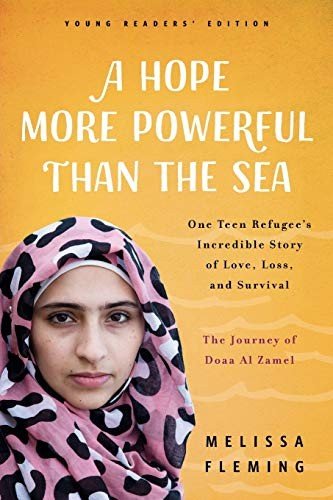
by Melissa Fleming
Nonfiction · ages 10–14 · grades 5–9 · 820L
Essential, age-appropriate introduction to the Syrian refugee crisis through a real teen's voice—unflinching about loss and fear, but anchored in Doaa's dignity and love for her family.
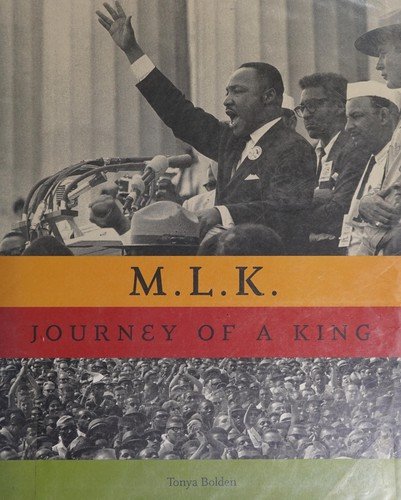
by Tonya Bolden
Nonfiction · ages 8–12 · grades 3–7 · 820L
The most readable MLK biography for this age — Bolden's accessible prose and archival illustrations make his humanity and moral reasoning vivid without sanitizing the violence or grief he faced.
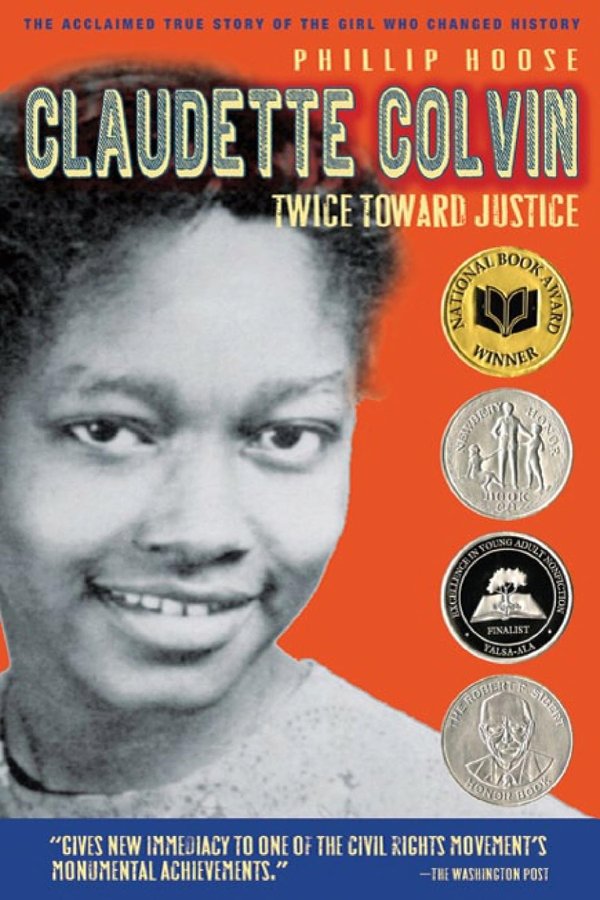
by Phillip Hoose
Nonfiction · ages 10–14 · grades 5–9 · 820L
The book that should be taught instead of (or alongside) Rosa Parks—immediate, deeply researched, and co-authored with Claudette herself, making it both historically authoritative and emotionally resonant for kids discovering real people with real moral agency.
Complementing on self advocacy
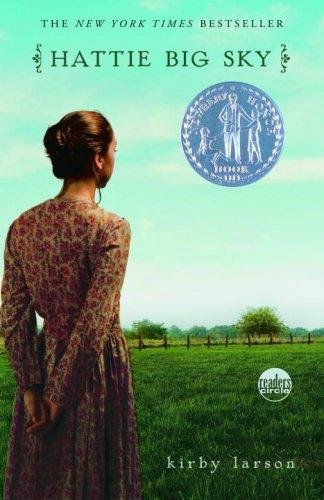
by Kirby Larson
Middle grade · ages 10–14 · grades 5–9 · 750L
A Newbery winner that actually earns it—Hattie's voice is sharp, funny, and unsentimentally brave, and the historical detail (homesteading law, drought, WWI) lands without preaching.
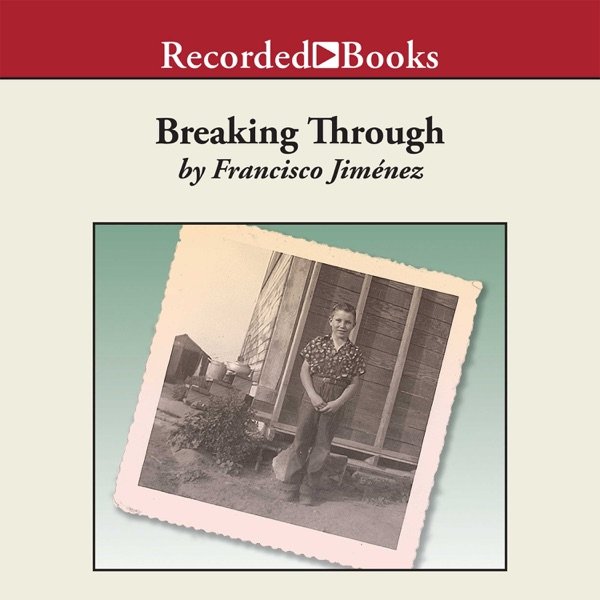
by Francisco Jiménez
Middle grade · ages 10–14 · grades 5–9 · 750L
The most unflinching and unsentimental migrant-family memoir for middle grade; kids see dignity and agency alongside real hunger and discrimination.
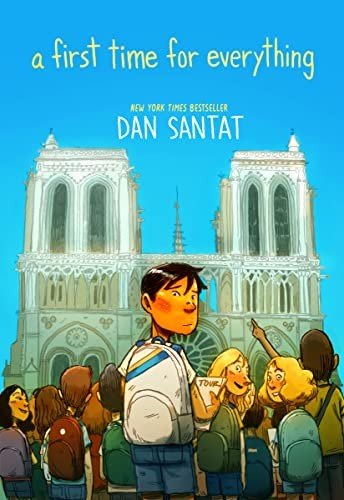
by Dan Santat
Picture book · ages 4–8 · grades K–3 · 500L
Santat's warmest work — a validation for shy kids that doing things scared is normal, and that friendship makes it easier; read-aloud gold for ages 5–7.
We'd skip — for now
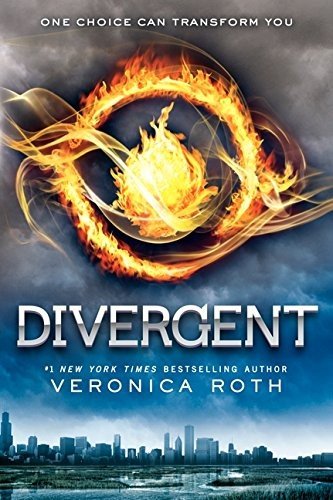
by Veronica Roth
A step up — ages 14–18 · grades 9–12
Skip it if your teen has experienced trauma involving fear-based conditioning or abuse; the simulation training scenes could be triggering, and the story doesn't treat them as inherently harmful.
