
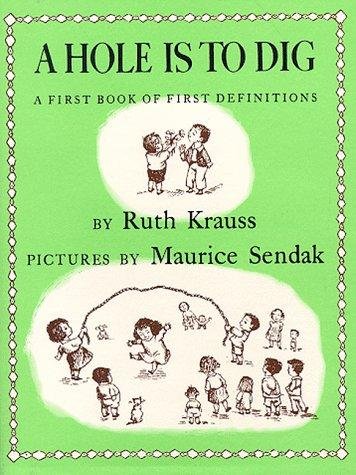
A Hole Is to Dig
by Ruth Krauss
Picture book · ages 3–7 · grades K–2
A 1950s marvel that still lands—pure linguistic play where each page feels like a small joke the child gets to own, and parents rediscover why metaphor matters.
For a reader who just finished
after The Stinky Cheese Man and Other Fairly Stupid Tales by Jon Scieszka · ages 4–8
Same style
by Ruth Krauss
Picture book · ages 3–7 · grades K–2
A 1950s marvel that still lands—pure linguistic play where each page feels like a small joke the child gets to own, and parents rediscover why metaphor matters.
by Maurice Sendak
Picture book · ages 4–8 · grades K–3 · 450L
Sendak's celebration of joyful chaos and rule-breaking play — the illustrations are the real story, and kids return to this one asking 'read it again?' because the strangeness feels like permission.
by Maurice Sendak
Picture book · ages 4–8 · grades K–3 · 450L
Sendak's celebration of joyful chaos and rule-breaking play — the illustrations are the real story, and kids return to this one asking 'read it again?' because the strangeness feels like permission.
Stretch them up
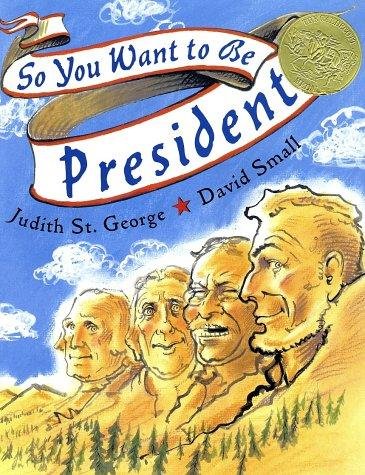
by David Small
Picture book · ages 4–8 · grades K–3 · 620L
A Caldecott winner that makes U.S. history genuinely funny — kids laugh at the absurdity while absorbing real facts about presidents in a format that's pure delight to reread.
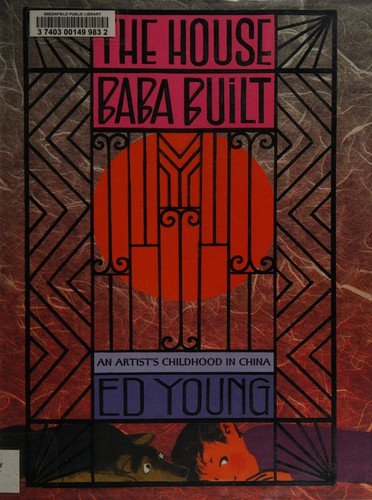
by Ed Young
Picture book · ages 4–8 · grades K–3 · 620L
A lyrical, elegantly illustrated memoir for young readers that treats childhood displacement and cultural identity with literary depth without condescension—the collage-style art is as much the story as the words.
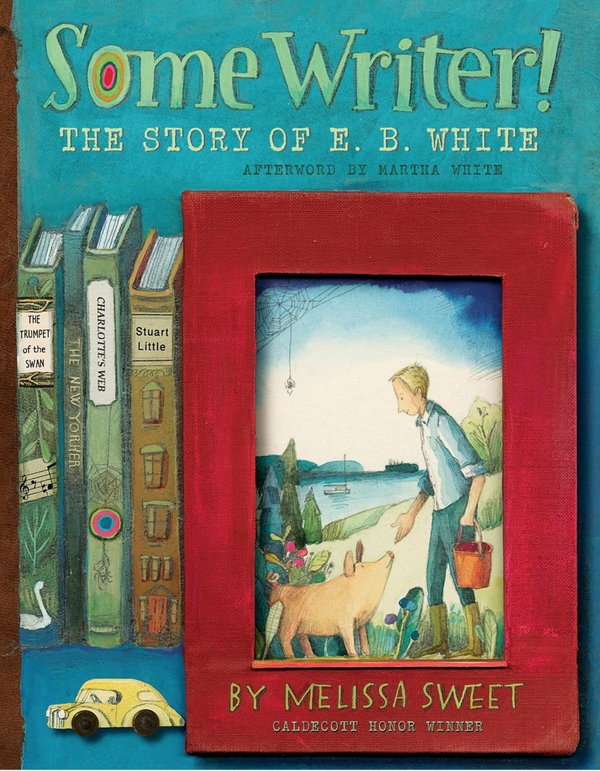
by Melissa Sweet
Picture book · ages 6–9 · grades 1–4 · 620L
Melissa Sweet's collage art and lyrical text make this feel less like a biography lesson and more like an invitation to notice the world the way E.B. White did—the best picture-book biography for this age.
Complementing on truth
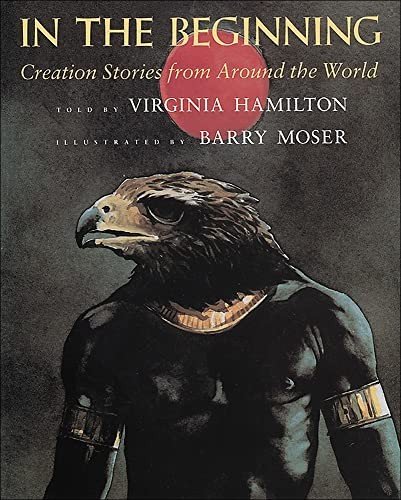
by Virginia Hamilton
Picture book · ages 5–9 · grades K–4 · 820L
Gorgeous, sophisticated, and genuinely restful — Hamilton's prose elevates world mythology without condescension, and Barry Moser's illustrations deepen the dreamlike authority of each story.
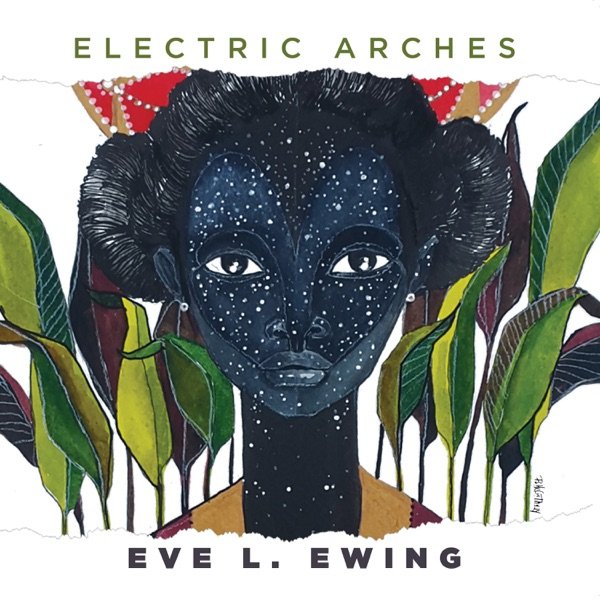
by Eve Ewing
Verse novel
A collection for young poets and teenagers grappling with race, place, and belonging; dense and unflinching about Chicago's history of segregation, gentrification, and resistance—not a gateway poetry book, but a necessary one.
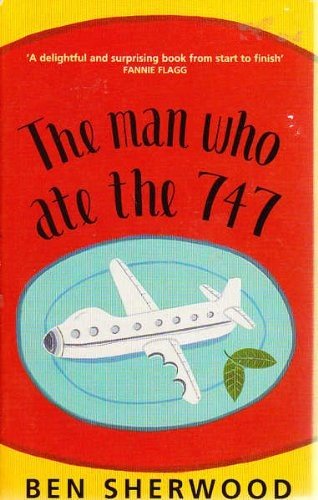
by Ben Sherwood
Nonfiction · 1050L
A clever, unsettling adult-crossover essay that teaches skepticism through a true story of a man who ate metal—ideal for older kids beginning to question media and narrative authority.
We'd skip — for now
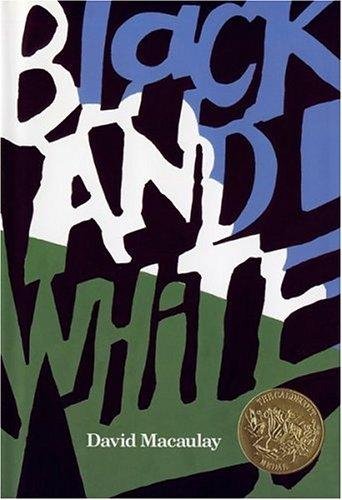
by David Macaulay
A step up — ages 8–12 · grades 3–7
Skip it if your child finds open-ended narratives frustrating or needs explicit narrative closure; the ambiguity is the point.