For a reader who just finished
Books like The Snowy Day
after The Snowy Day by Ezra Jack Keats · ages 3–7
Same style
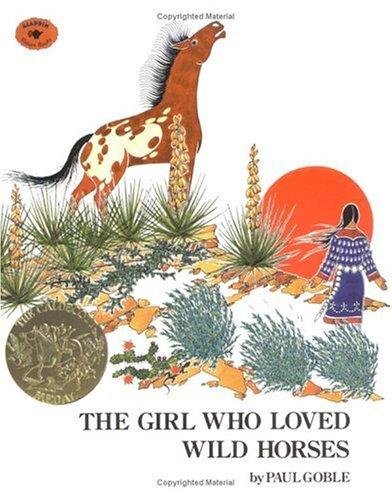
by Paul Goble
Picture book · ages 4–8 · grades K–3 · 620L
A lyrical, gorgeous introduction to Plains Indian life and a girl who chooses freedom over conformity — Goble's illustrations are stunning and the emotional arc is genuinely moving without being heavy-handed.
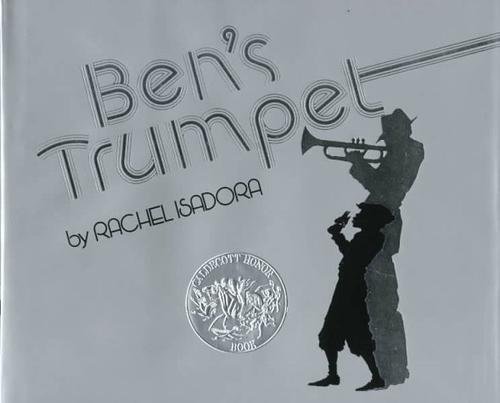
by Rachel Isadora
Picture book · ages 4–8 · grades K–3
A quietly powerful portrait of urban childhood aspiration — Isadora's illustrations of Harlem street life and Ben's interior jazz dreams are the real story, and it plants music and neighborhood identity without preachiness.
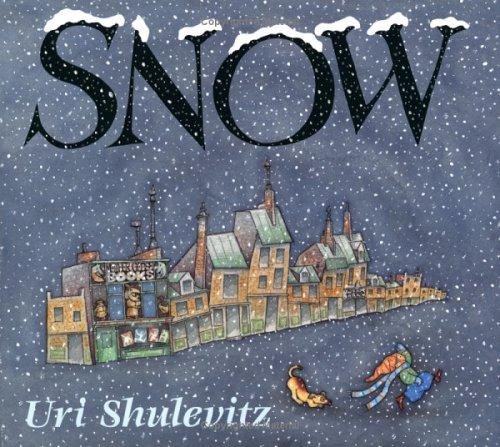
by Uri Shulevitz
Picture book · ages 4–8 · grades K–3
A perfect quiet meditation on anticipation and observation—Shulevitz's watercolors build mood so convincingly that kids feel the snow coming before it arrives.
Stretch them up
by Todd Tucker
Picture book · ages 4–8 · grades K–3 · 600L
A quiet masterpiece that teaches observation without a word of didacticism—kids naturally want to lift the flaps and peek, building real naturalist instincts.
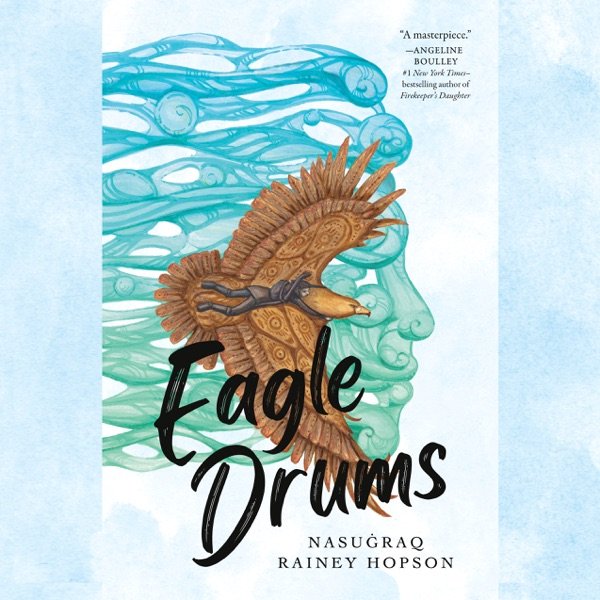
by Nasuġraq Rainey Hopson
Picture book · ages 4–8 · grades K–3 · 580L
A grounded, unsentimental introduction to Iñupiaq life and art-making that centers Indigenous voice and knowledge without performative cuteness—genuinely beautiful and necessary.
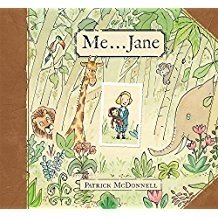
by Patrick McDonnell
Picture book · ages 4–8 · grades K–3 · 620L
McDonnell's watercolor dreaming captures the tender obsession of a girl with animals — this is how most naturalists start, and the book honors that without sentimentality.
Complementing on wonder
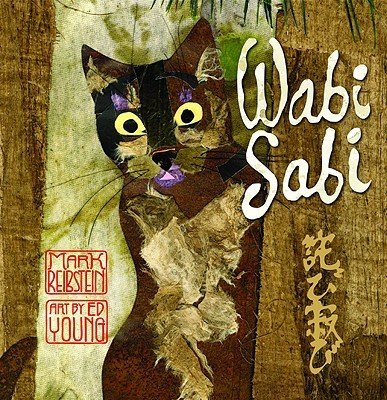
by Mark Reibstein
Picture book · ages 4–8 · grades K–3
A meditative picture book that teaches a real aesthetic philosophy without preaching—the illustrations and spare, lyrical text invite kids to notice small, impermanent things as profoundly beautiful.
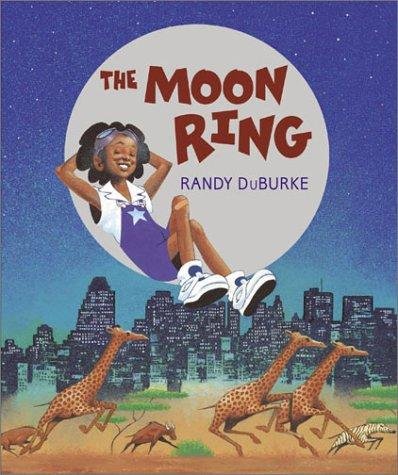
by Randy DuBurke
Picture book · ages 4–8 · grades K–3 · 550L
A quiet, beautifully illustrated bedtime story where a child's magical thinking about the moon feels genuinely earned rather than saccharine—the illustrations do the heavy lifting.
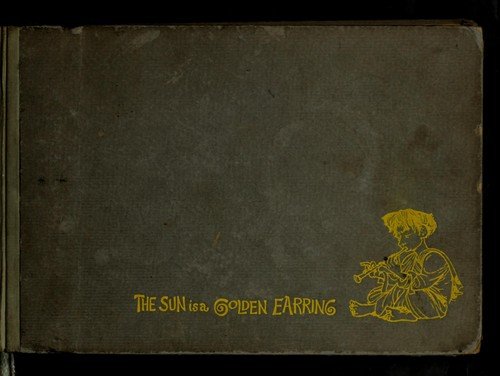
by Bernarda Bryson
Picture book · ages 4–8 · grades K–3 · 350L
A 1962 gem that reads like prose poetry—brief, metaphor-rich observations of nature that teach kids to see the world freshly without ever feeling like a lesson.
We'd skip — for now
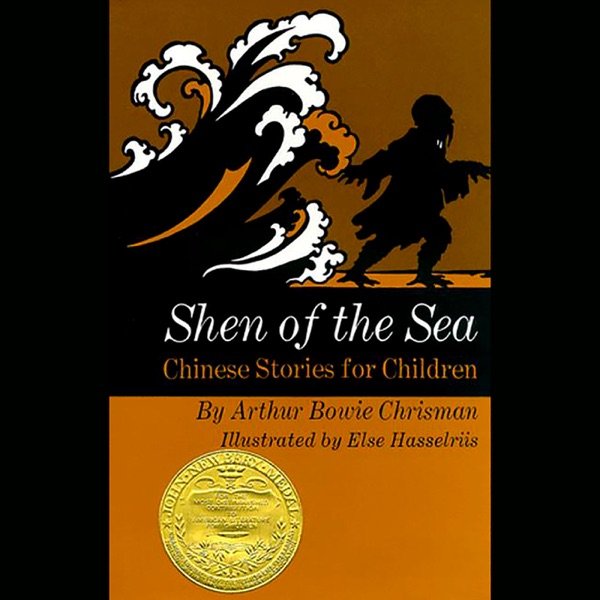
by Arthur Bowie Chrisman
A step up — ages 8–12 · grades 3–7
Skip it if your child prefers plot-driven contemporary stories over folkloric mood pieces—these are lyrical and episodic, not propulsive.
