For a reader who just finished
Books like The Secret Diary of Adrian Mole, Aged 13 3/4
after The Secret Diary of Adrian Mole, Aged 13 3/4 by Sue Townsend · ages 12–16
Same style

by Shyam Selvadurai
Young adult · ages 14–18 · grades 9–12 · 820L
A landmark LGBTQ+ coming-of-age novel that doesn't flinch from racism, family dysfunction, or desire—precise, unsentimental, and essential for teens working through identity and belonging.
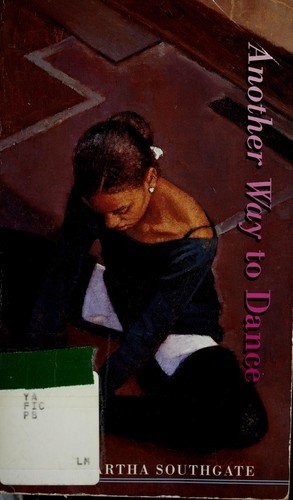
by Martha Southgate
Young adult · ages 12–18 · grades 7–12 · 820L
A smart, unsentimental novel about a Black teen dancer at an elite academy confronting racism, class friction, and artistic identity—relevant in 1996 and sharper now.
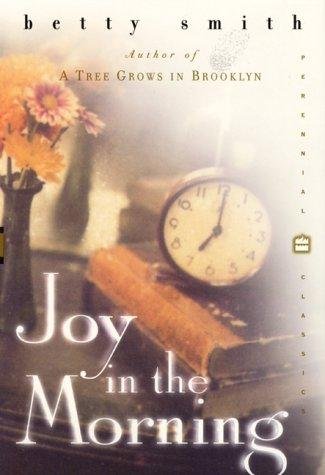
by Betty Smith
Young adult · ages 14–18 · grades 9–12 · 820L
Betty Smith's quieter follow-up to *A Tree Grows in Brooklyn*—less lyrical but more mature, examining what happens when romance meets economic reality and a young woman must decide who she wants to become.
Stretch them up
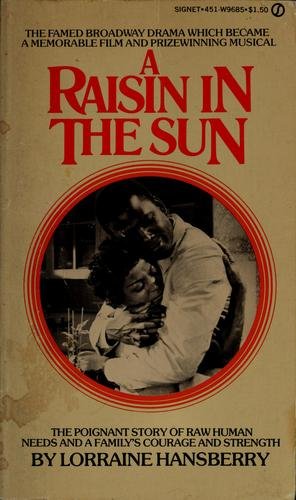
by Lorraine Hansberry
Young adult · ages 14–18 · grades 9–12 · 1020L
The canonical American play about Black family life and the cost of systemic racism—essential reading for teens old enough to hold its complexity and grief, and likely to reshape how they think about class, aspiration, and dignity.
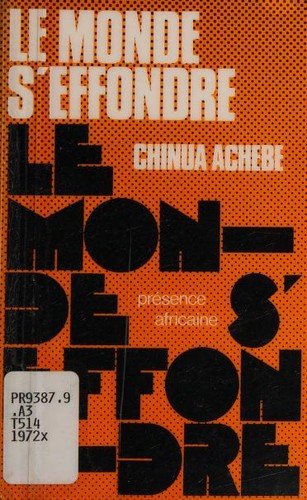
by Chinua Achebe
Young adult · ages 14–18 · grades 9–12 · 1020L
Essential reading that flips the colonial narrative—Achebe's prose is spare and powerful, and the cultural detail grounded enough that teen readers grasp both Igbo society and the tragedy of its encounter with empire.

by Karen Tei Yamashita
Young adult · ages 14–18 · grades 9–12 · 1020L
A formally inventive, intellectually demanding novel about real Asian American activism that refuses easy sentimentality—challenging but essential for teens ready to grapple with gentrification, community erasure, and the limits of legal resistance.
Complementing on a good life
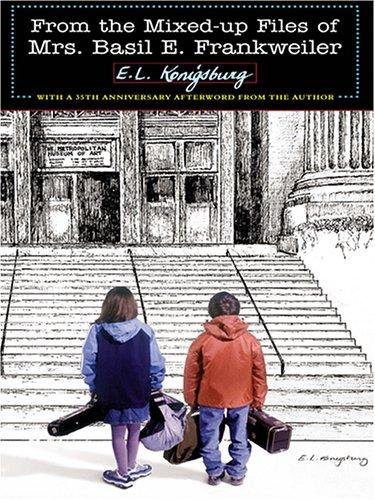
by E. L. Konigsburg
Middle grade · ages 8–12 · grades 3–7 · 790L
A book that trusts kids to be intellectually bored and emotionally complex—Claudia's runaway isn't melodrama, it's a quiet reckoning with identity that lands harder on rereads.
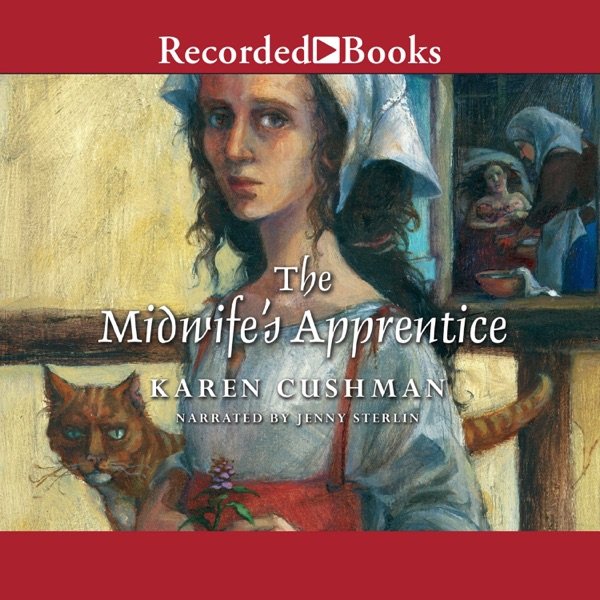
by Karen Cushman
Middle grade · ages 10–14 · grades 5–9 · 780L
A Newbery winner that earns it: a girl with no name becomes herself through honest work and adult recognition; the medieval setting and childbirth apprenticeship feel urgent and real, not decorative.
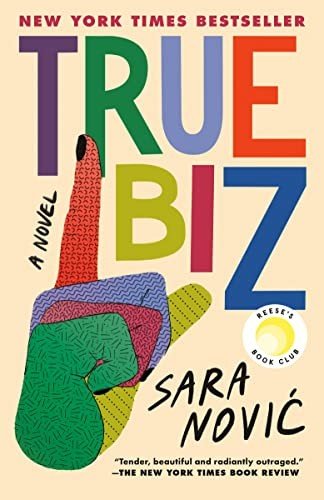
by Sara Nović
Middle grade · ages 10–14 · grades 5–9 · 820L
A genuinely original YA-crossover novel that treats Deaf culture as protagonist, not obstacle—kids learn to think in sign while wrestling with identity questions that feel urgent, not didactic.
We'd skip — for now
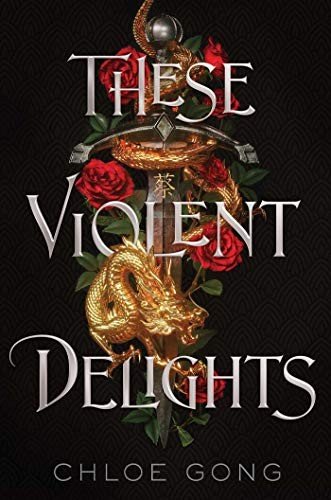
by Chloe Gong
A step up — ages 16–18 · grades 11–12
Skip it if your teen is unsettled by sustained gang violence, family trauma, or morally gray protagonists who do harm; also skip if 1920s history doesn't engage them—the setting is integral, not decorative.
