For a reader who just finished
Books like The School for Good and Evil
after The School for Good and Evil by Soman Chainani · ages 8–12
Same style
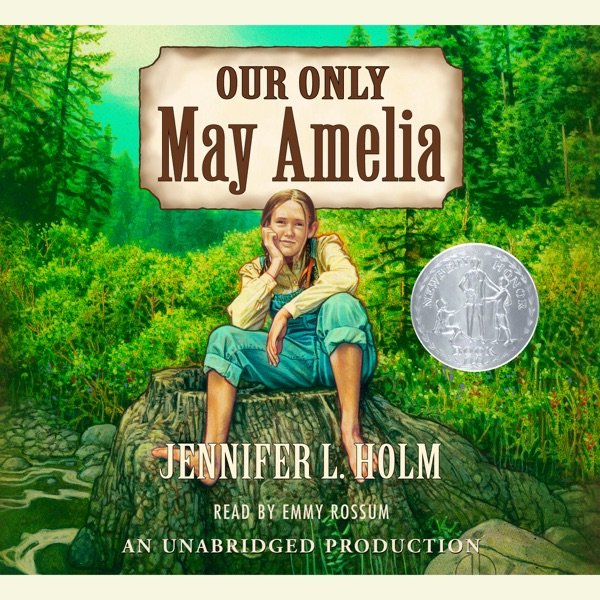
by Jennifer L. Holm
Middle grade · ages 10–14 · grades 5–9 · 780L
A Newbery winner that doesn't feel like one—spirited, funny, and genuinely about a girl figuring out who she is against the grain of her family's hopes; the frontier setting and Finnish details feel lived-in rather than researched.
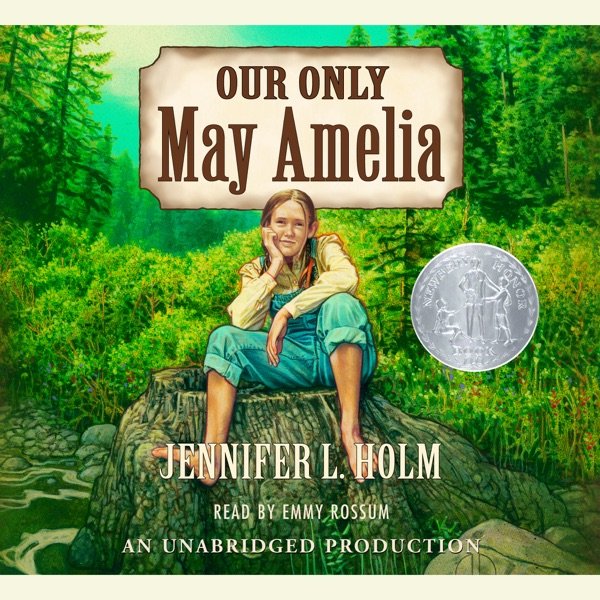
by Jennifer L. Holm
Middle grade · ages 10–14 · grades 5–9 · 780L
A Newbery winner that doesn't feel like one—spirited, funny, and genuinely about a girl figuring out who she is against the grain of her family's hopes; the frontier setting and Finnish details feel lived-in rather than researched.
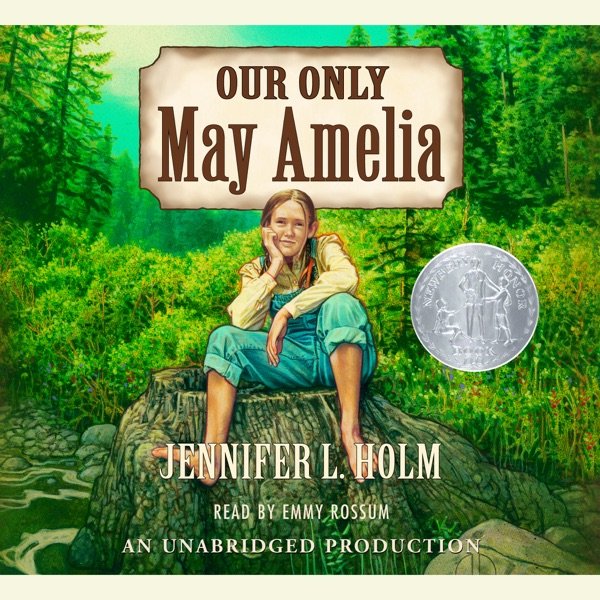
by Jennifer L. Holm
Middle grade · ages 10–14 · grades 5–9 · 780L
A Newbery winner that doesn't feel like one—spirited, funny, and genuinely about a girl figuring out who she is against the grain of her family's hopes; the frontier setting and Finnish details feel lived-in rather than researched.
Stretch them up
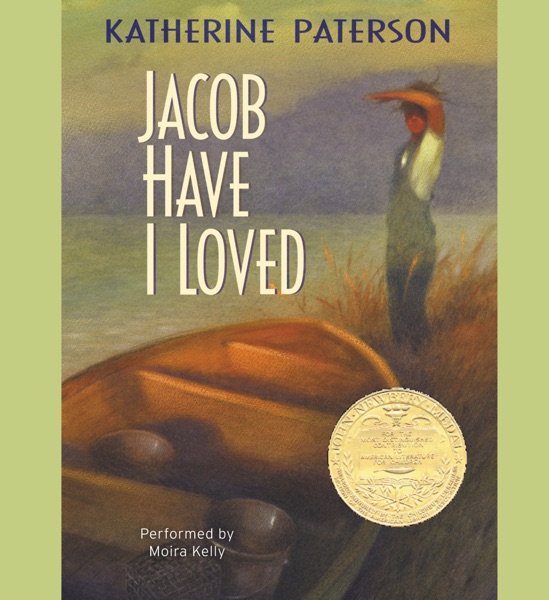
by Katherine Paterson
Middle grade · ages 10–14 · grades 5–9 · 820L
A Newbery winner that actually deserves it—Paterson writes sibling resentment and reconciliation with such honesty that kids recognize their own families, and the 1941 Chesapeake setting carries real historical weight without preaching.
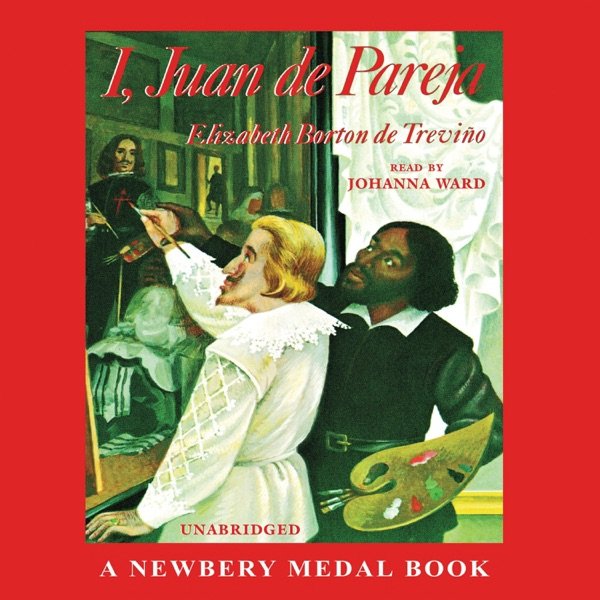
by Elizabeth Borton de Treviño
Middle grade · ages 10–14 · grades 5–9 · 820L
A Newbery winner that doesn't condescend—serious, historically grounded, and genuinely about how one person's refusal to accept powerlessness can remake a life; the prose is elegant and the emotional core is real.
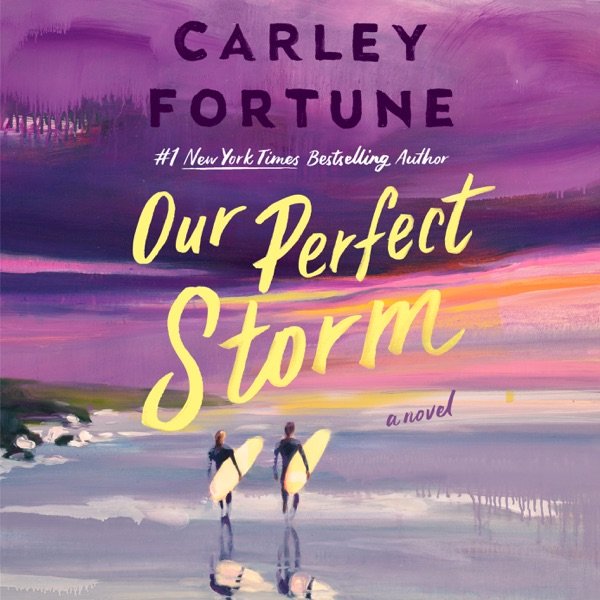
by Carley Fortune
Middle grade · ages 9–12 · grades 4–7 · 820L
A genuinely smart dual-POV friendship story that takes neurodivergence seriously without making it the whole personality—the hurricane is real tension, not metaphor.
Complementing on a good life
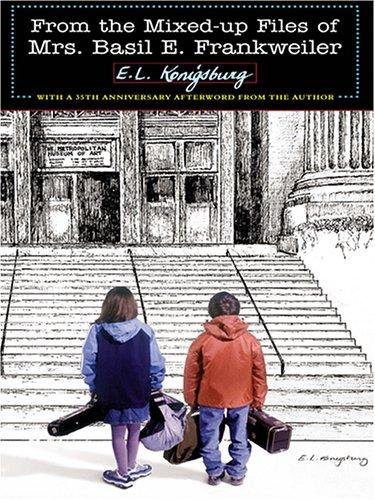
by E. L. Konigsburg
Middle grade · ages 8–12 · grades 3–7 · 790L
A book that trusts kids to be intellectually bored and emotionally complex—Claudia's runaway isn't melodrama, it's a quiet reckoning with identity that lands harder on rereads.
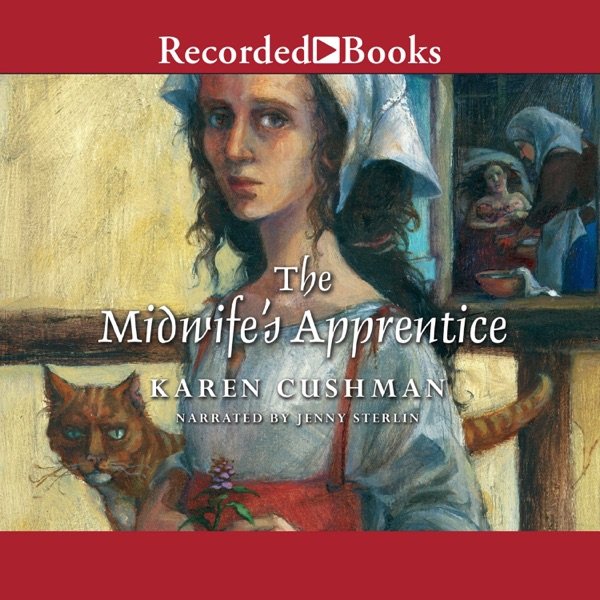
by Karen Cushman
Middle grade · ages 10–14 · grades 5–9 · 780L
A Newbery winner that earns it: a girl with no name becomes herself through honest work and adult recognition; the medieval setting and childbirth apprenticeship feel urgent and real, not decorative.
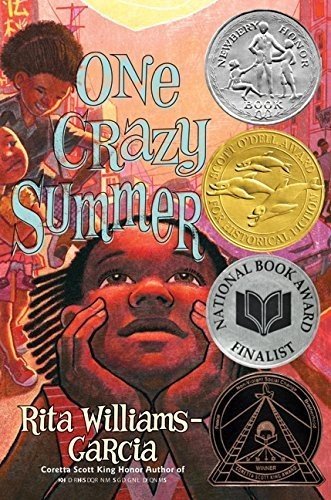
by Rita Williams-Garcia
Middle grade · ages 8–12 · grades 3–7 · 750L
A richly layered book about sisterhood, identity, and reckoning with parental complexity that treats kids' emotional intelligence seriously—the ending doesn't tidy up, which is exactly why it stays with them.
We'd skip — for now
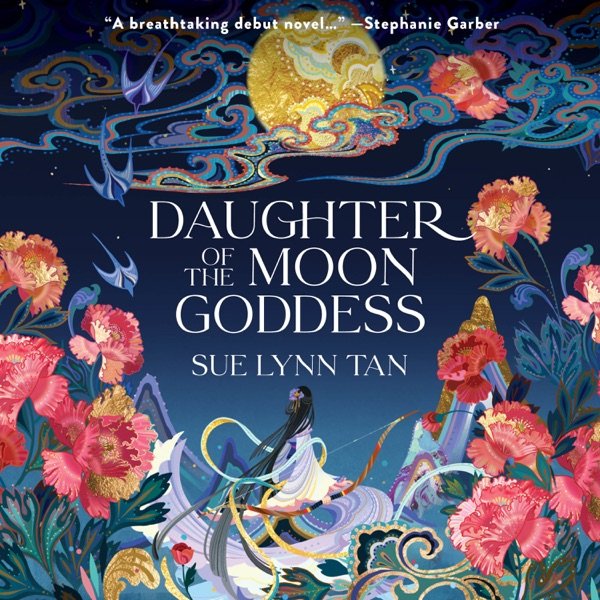
by Sue Lynn Tan
A step up — ages 14–18 · grades 9–12
Skip it if your teen has been spooked by sustained magical threat or combat; there are extended battle scenes and genuine peril to beloved characters.
