For a reader who just finished
Books like THE RISE OF NEPTUNE
after THE RISE OF NEPTUNE by Scott Reintgen · ages 8–12
Same style
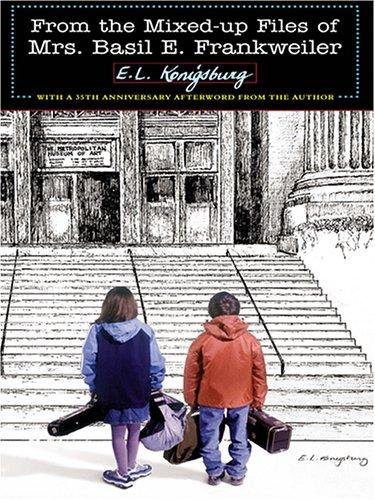
by E. L. Konigsburg
Middle grade · ages 8–12 · grades 3–7 · 790L
A book that trusts kids to be intellectually bored and emotionally complex—Claudia's runaway isn't melodrama, it's a quiet reckoning with identity that lands harder on rereads.

by Kirby Larson
Middle grade · ages 10–14 · grades 5–9 · 750L
A Newbery winner that actually earns it—Hattie's voice is sharp, funny, and unsentimentally brave, and the historical detail (homesteading law, drought, WWI) lands without preaching.
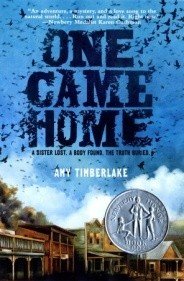
by Amy Timberlake
Middle grade · ages 9–12 · grades 4–7 · 780L
A deaf protagonist on a legitimate frontier adventure—not a problem-to-solve story, but a capable girl pursuing a mystery through 1870s Wisconsin with intelligence and grit that redefines what 'deaf' means in her world.
Stretch them up
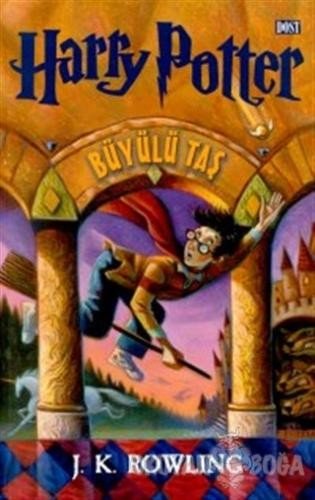
by J. K. Rowling
Middle grade · ages 9–12 · grades 4–7 · 880L
The book that redefined children's fiction — richly imagined world, genuine stakes, prose that respects young readers, and a protagonist's journey from isolation to belonging that doesn't feel saccharine.
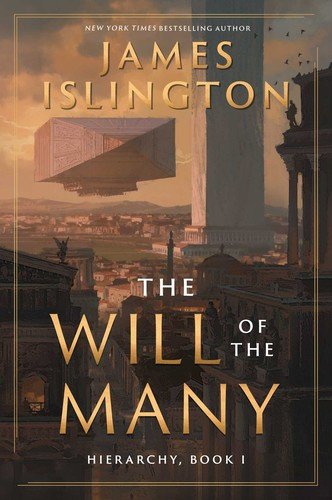
by James Islington
Middle grade · ages 10–14 · grades 5–9 · 890L
A genuinely sophisticated magic system wrapped in a mystery about identity — harder than typical middle grade but rewarding for strong readers who don't need constant humor.

by Alexandre Dumas
Middle grade · ages 10–14 · grades 5–9 · 850L
Dumas's most intellectually challenging novel for this age — the identity-swap plot demands careful attention, but the pacing and moral ambiguity reward readers ready to wrestle with unfair systems.
Complementing on scientific method
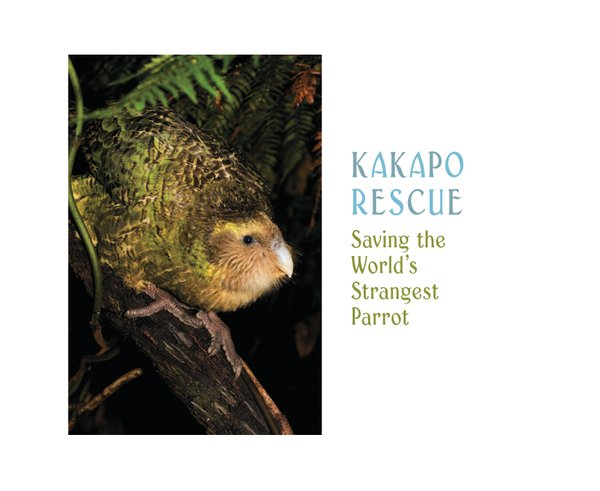
by Sy Montgomery
Nonfiction · ages 8–12 · grades 3–7 · 720L
Montgomery's infectious curiosity and on-the-ground reporting make conservation science visceral and urgent—kids finish this wanting to know how to help, not just what the problem is.
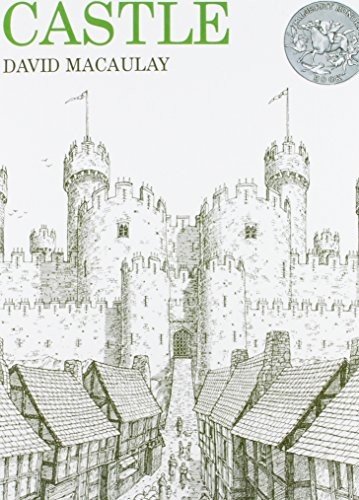
by David Macaulay
Nonfiction · ages 8–12 · grades 3–7 · 720L
Macaulay's masterpiece — architectural history made visceral through illustration and narrative; kids who engage deeply will ask real questions about how things are built.
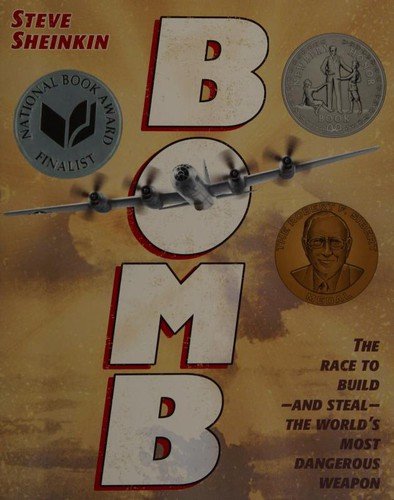
by Steve Sheinkin
Nonfiction · ages 10–14 · grades 5–9 · 820L
A genuine page-turner that makes nuclear physics and WWII espionage accessible to smart 11-year-olds without dumbing down the science or the moral complexity.
We'd skip — for now
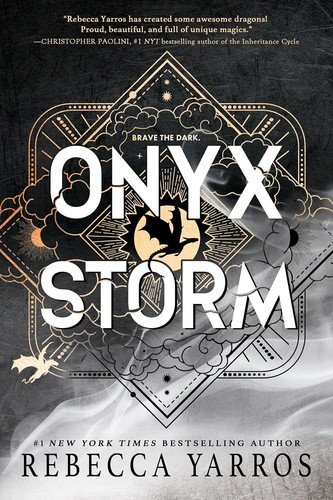
by Rebecca Yarros
A step up — ages 14–18 · grades 9–12
Skip it if your teen has been disturbed by graphic depictions of war injury or death in fiction — multiple on-page character deaths and battle injuries are described with specificity.
