For a reader who just finished
Books like The Radleys
after The Radleys by Matt Haig · ages 8–12
Same style
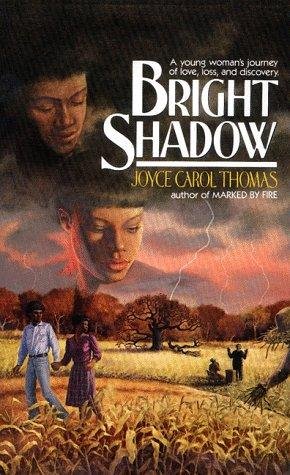
by Joyce Carol Thomas
Middle grade · ages 8–12 · grades 3–7 · 780L
A luminous, unflinching story about difference and belonging—Thomas's lyrical prose and Auri's quiet dignity make this a memorable introduction to how communities can choose love, and how a girl learns her own worth.
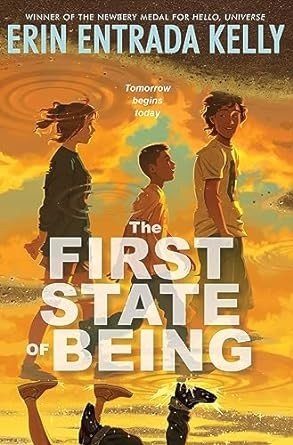
by Erin Entrada Kelly
Middle grade · ages 8–12 · grades 3–7 · 750L
Kelly's best since *Blackbird Fly*—a spare, emotionally precise story about deaf identity and belonging that never condescends and lets the protagonist be fully, unapologetically herself.
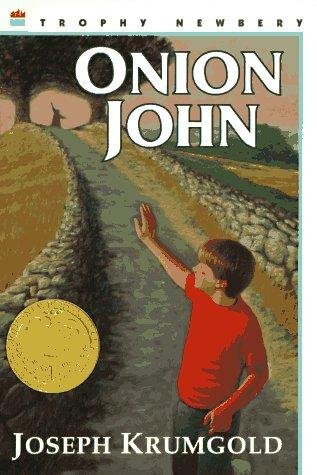
by Joseph Krumgold
Middle grade · ages 8–12 · grades 3–7 · 750L
A 1960s Newbery winner that holds up: the tension between Andy's loyalty to an eccentric immigrant friend and his parents' well-meaning assimilationism is genuinely unresolved, teaching kids that growing up sometimes means choosing your own values.
Stretch them up
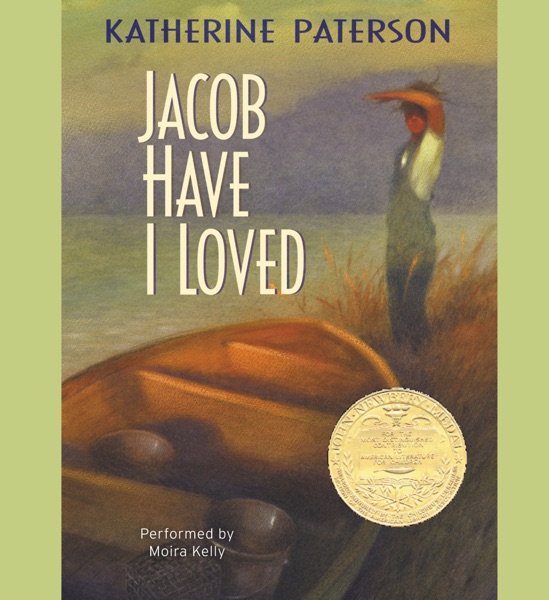
by Katherine Paterson
Middle grade · ages 10–14 · grades 5–9 · 820L
A Newbery winner that actually deserves it—Paterson writes sibling resentment and reconciliation with such honesty that kids recognize their own families, and the 1941 Chesapeake setting carries real historical weight without preaching.
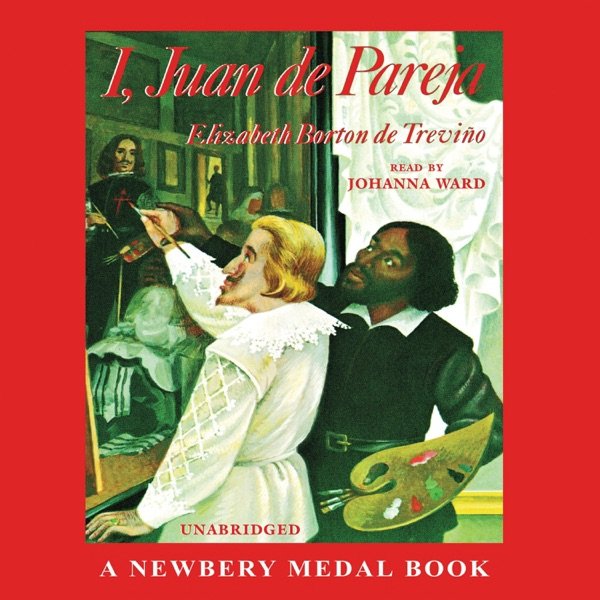
by Elizabeth Borton de Treviño
Middle grade · ages 10–14 · grades 5–9 · 820L
A Newbery winner that doesn't condescend—serious, historically grounded, and genuinely about how one person's refusal to accept powerlessness can remake a life; the prose is elegant and the emotional core is real.
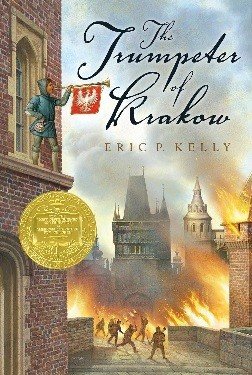
by Eric P. Kelly
Middle grade · ages 8–12 · grades 3–7 · 800L
A Newbery winner that feels genuinely historical without being a slog — the mystery of the trumpet and the boy's quiet bravery make it memorable for kids who can handle older prose.
Complementing on belonging
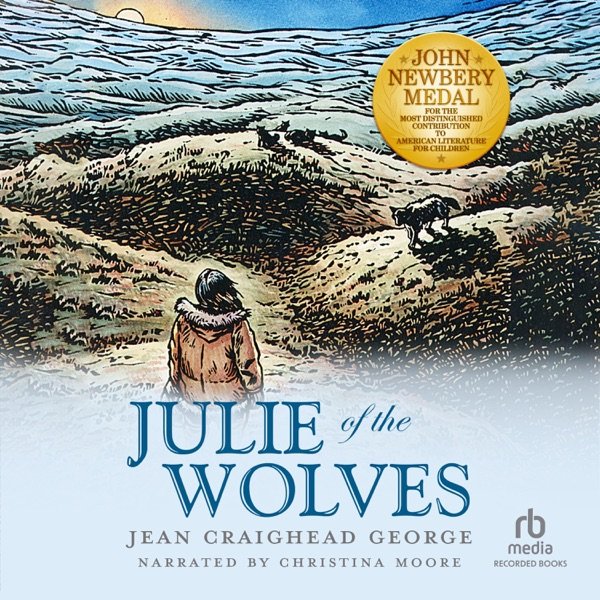
by Jean Craighead George
Middle grade · ages 10–14 · grades 5–9 · 760L
A Newbery-winning masterpiece that hasn't aged a day—Julie's survival story is genuinely gripping, and the quiet exploration of cultural identity and belonging lands without preaching.
by Jean Craighead George
Middle grade · ages 10–14 · grades 5–9 · 760L
A Newbery-winning masterpiece that hasn't aged a day—Julie's survival story is genuinely gripping, and the quiet exploration of cultural identity and belonging lands without preaching.
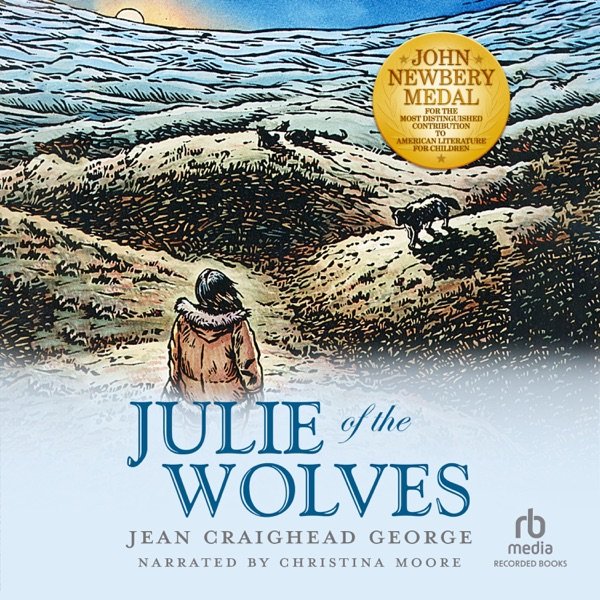
by Jean Craighead George
Middle grade · ages 10–14 · grades 5–9 · 760L
A Newbery-winning masterpiece that hasn't aged a day—Julie's survival story is genuinely gripping, and the quiet exploration of cultural identity and belonging lands without preaching.
We'd skip — for now
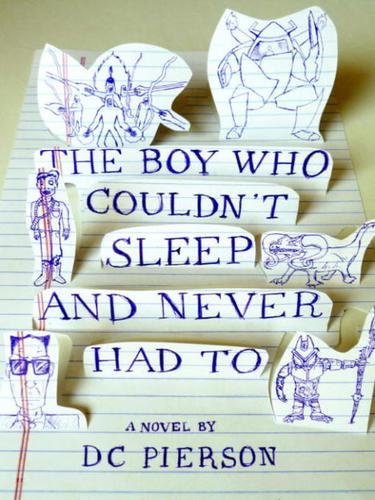
by DC Pierson
A step up — ages 12–15 · grades 7–10
Skip it if your child has unmedicated ADHD and finds books about hyperactive protagonists overstimulating — Darren's racing mind might feel too familiar in a difficult way.
