For a reader who just finished
Books like The Prince and the Pauper
after The Prince and the Pauper by Mark Twain · ages 8–12
Same style
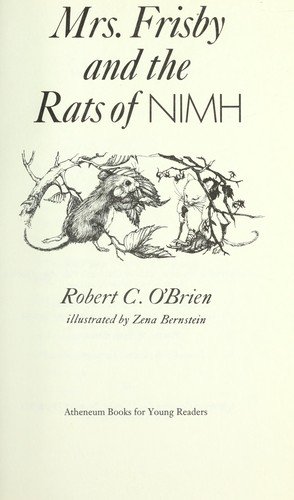
by Robert C. O'Brien
Middle grade · ages 8–12 · grades 3–7 · 780L
A genuinely intelligent adventure where the protagonist solves problems with her mind, not magic—the rats are neither evil nor saviors, and Mrs. Frisby's ordinary maternal courage is the entire book's engine.
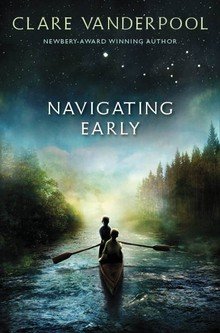
by Clare Vanderpool
Middle grade · ages 10–14 · grades 5–9 · 770L
A Newbery Honor book that treats deafness as identity, not tragedy, while delivering genuine adventure and a friendship that feels earned—rare middle-grade representation that doesn't condescend.
by Ingrid Law
Middle grade · ages 9–12 · grades 4–7 · 780L
A genuinely imaginative family-magic novel where the magic is actually a metaphor for discovering who you are at thirteen — tender, funny, and worth the rereads.
Stretch them up
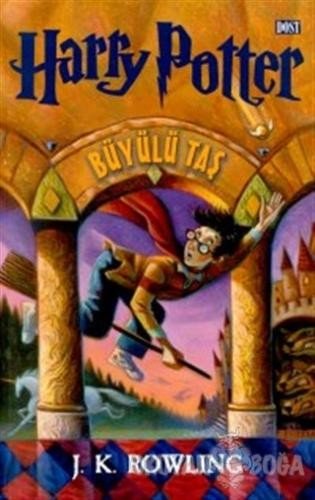
by J. K. Rowling
Middle grade · ages 9–12 · grades 4–7 · 880L
The book that redefined children's fiction — richly imagined world, genuine stakes, prose that respects young readers, and a protagonist's journey from isolation to belonging that doesn't feel saccharine.
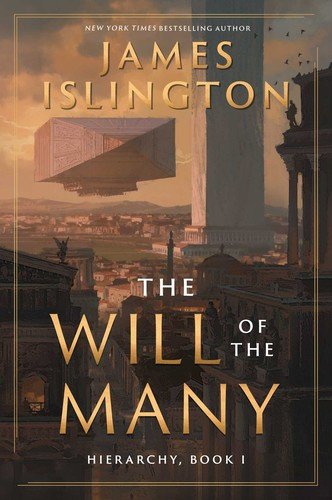
by James Islington
Middle grade · ages 10–14 · grades 5–9 · 890L
A genuinely sophisticated magic system wrapped in a mystery about identity — harder than typical middle grade but rewarding for strong readers who don't need constant humor.
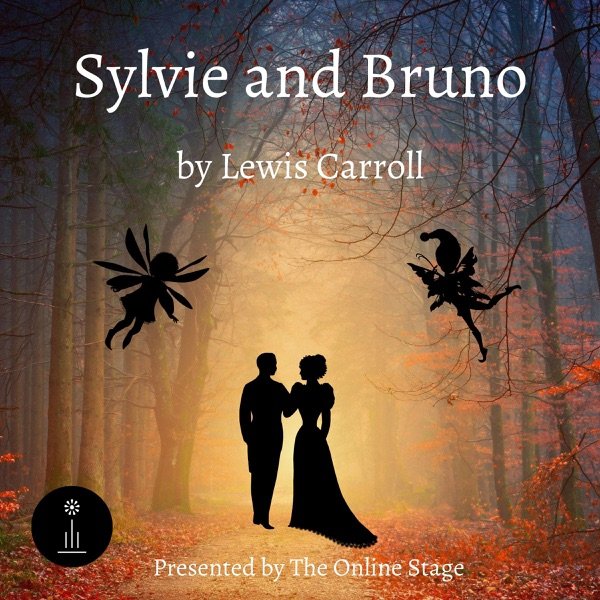
by Lewis Carroll
Middle grade · ages 10–14 · grades 5–9 · 1050L
Carroll's most structurally ambitious work and genuinely strange—the dual-timeline narrative and philosophical digressions demand real attention, but kids who love language puzzles and moral fables will find it rewarding.
Complementing on perspective taking
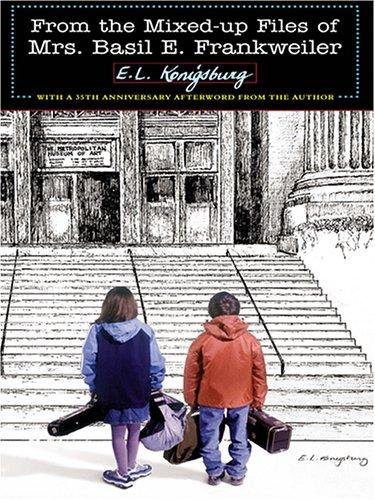
by E. L. Konigsburg
Middle grade · ages 8–12 · grades 3–7 · 790L
A book that trusts kids to be intellectually bored and emotionally complex—Claudia's runaway isn't melodrama, it's a quiet reckoning with identity that lands harder on rereads.
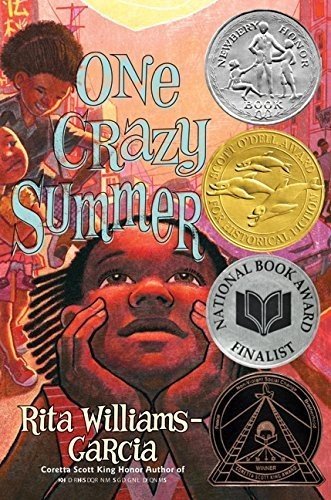
by Rita Williams-Garcia
Middle grade · ages 8–12 · grades 3–7 · 750L
A richly layered book about sisterhood, identity, and reckoning with parental complexity that treats kids' emotional intelligence seriously—the ending doesn't tidy up, which is exactly why it stays with them.
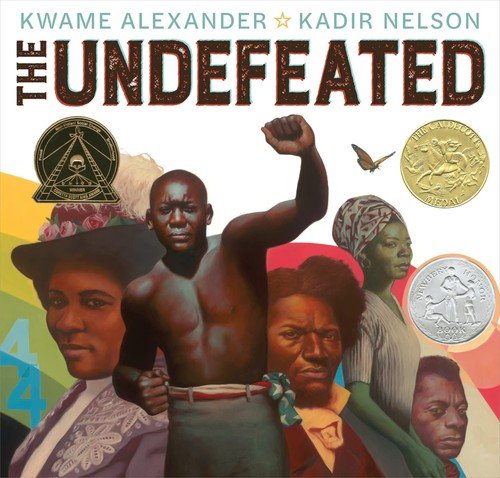
by Kwame Alexander
Verse novel · ages 10–14 · grades 5–9 · 620L
A landmark book that uses verse to make 500 years of Black American history personal and urgent—kids understand their own power within a larger story.
We'd skip — for now

by Temi Oh
A step up — ages 14–18 · grades 9–12
Skip it if your teen has experienced abandonment or family rejection recently; multiple characters' Earth-side trauma is a through-line that lands hard.
