For a reader who just finished
Books like The Perilous Road
after The Perilous Road by William O. Steele · ages 10–14
Same style
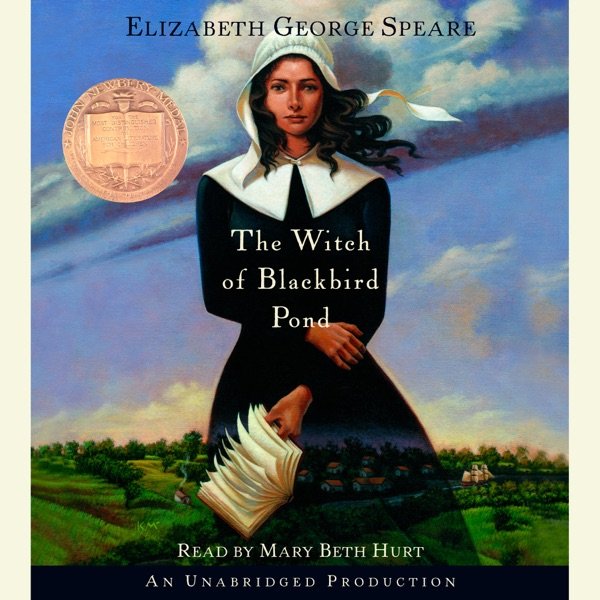
by Elizabeth George Speare
Middle grade · ages 10–14 · grades 5–9 · 790L
A masterpiece introduction to colonial America and witch hunts that treats both the historical record and Kit's inner life with genuine weight—the accusations feel terrifyingly real, not melodrama.
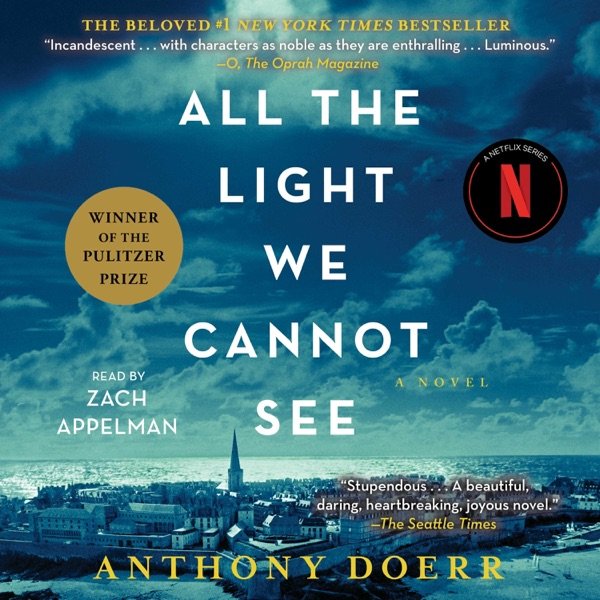
by Anthony Doerr
Middle grade · ages 10–14 · grades 5–9 · 730L
A masterwork that treats middle-grade readers as intellectually and emotionally serious — literary prose, two full inner lives, and genuine moral complexity without didacticism or sentimentality.
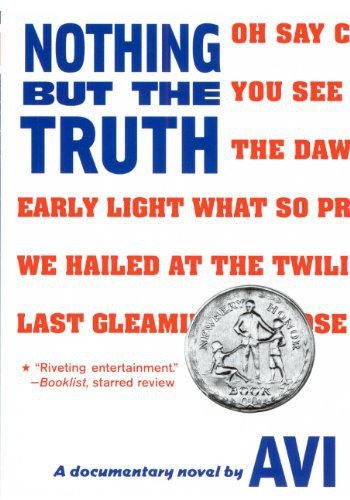
by Avi
Middle grade · ages 10–14 · grades 5–9 · 780L
A genuinely clever novel that teaches media literacy and perspective-taking without preaching—the format itself is the lesson, and kids debate it long after finishing.
Stretch them up
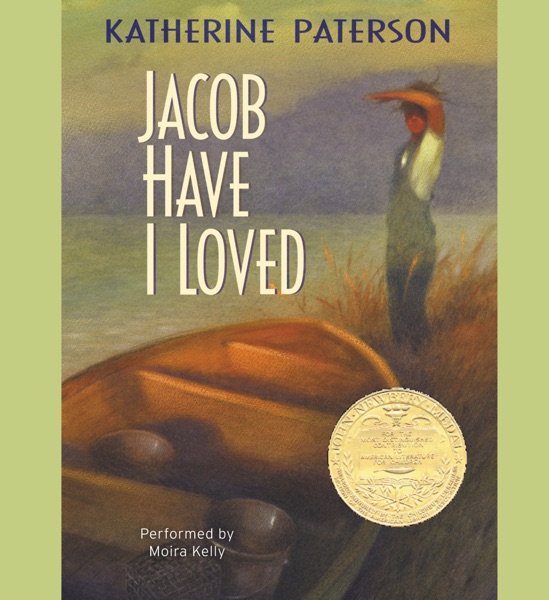
by Katherine Paterson
Middle grade · ages 10–14 · grades 5–9 · 820L
A Newbery winner that actually deserves it—Paterson writes sibling resentment and reconciliation with such honesty that kids recognize their own families, and the 1941 Chesapeake setting carries real historical weight without preaching.
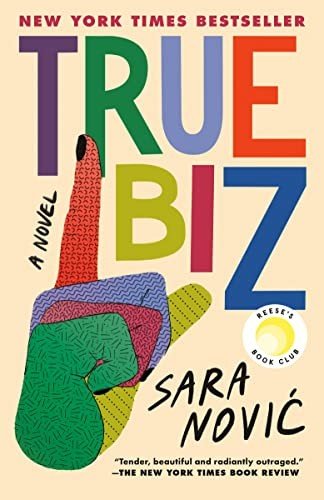
by Sara Nović
Middle grade · ages 10–14 · grades 5–9 · 820L
A genuinely original YA-crossover novel that treats Deaf culture as protagonist, not obstacle—kids learn to think in sign while wrestling with identity questions that feel urgent, not didactic.
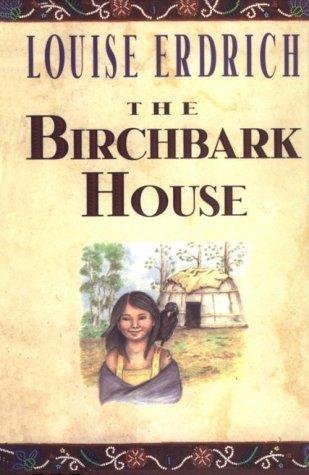
by Louise Erdrich
Middle grade · ages 8–12 · grades 3–7 · 820L
Erdrich's portrait of Omakayas and her family is unsentimental and alive—the smallpox arc is genuinely tragic, the cultural detail is precise, and a child reader walks away understanding Ojibwe life as rich and coherent, not distant or exotic.
Complementing on perspective taking
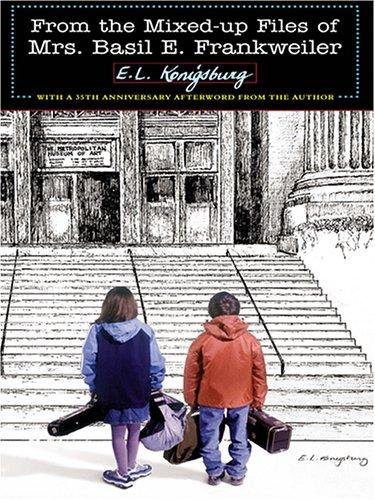
by E. L. Konigsburg
Middle grade · ages 8–12 · grades 3–7 · 790L
A book that trusts kids to be intellectually bored and emotionally complex—Claudia's runaway isn't melodrama, it's a quiet reckoning with identity that lands harder on rereads.
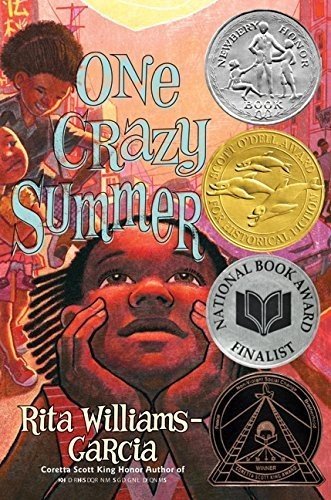
by Rita Williams-Garcia
Middle grade · ages 8–12 · grades 3–7 · 750L
A richly layered book about sisterhood, identity, and reckoning with parental complexity that treats kids' emotional intelligence seriously—the ending doesn't tidy up, which is exactly why it stays with them.
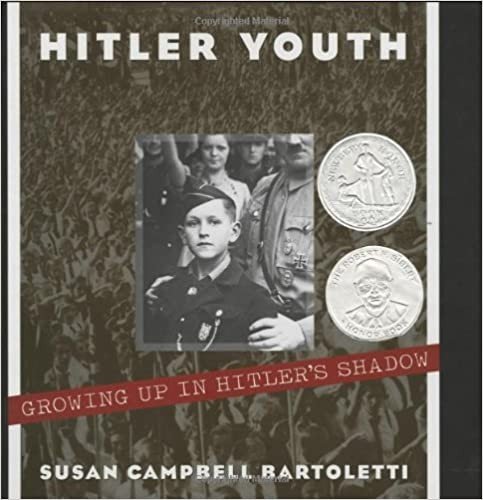
by Susan Campbell Bartoletti
Nonfiction · age 10+ · grade 5+ · 1050L
The most honest, unflinching introduction to how propaganda works on young minds—essential reading for understanding WWII and how democracies stay vigilant.
We'd skip — for now
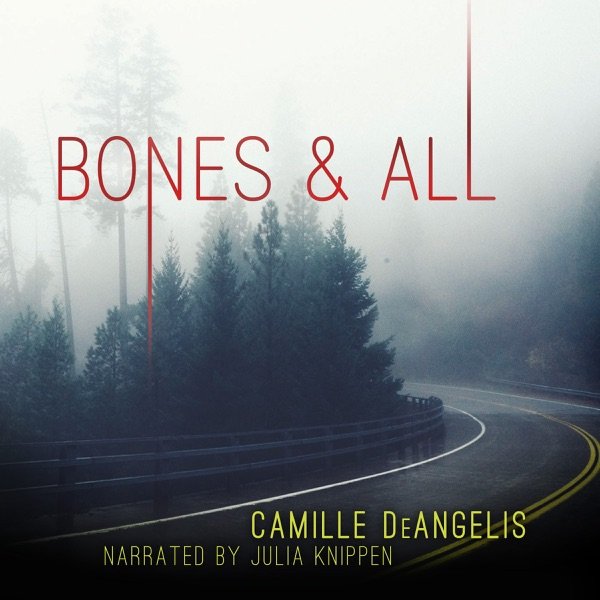
by Camille DeAngelis
A step up — ages 14–18 · grades 9–12
Skip it if your teen is disturbed by cannibalism (even as metaphor/practice) or if they're not yet ready for literary darkness without clear moral resolution.
