
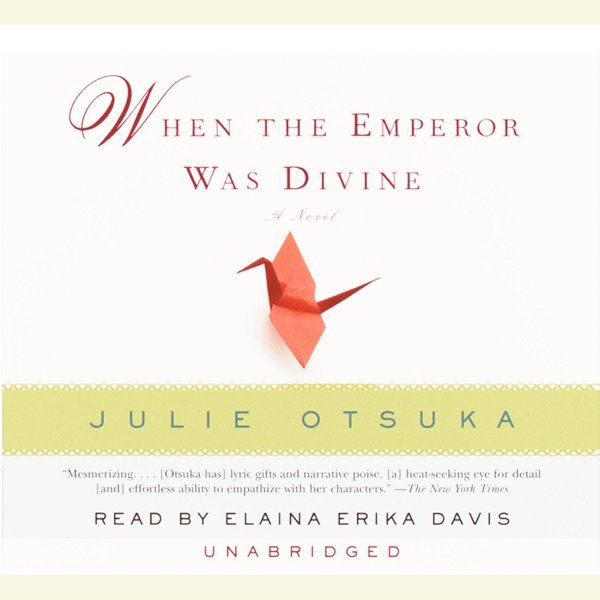
When the Emperor Was Divine
by Julie Otsuka
Nonfiction · 1000L
A spare, formally inventive novel that teaches Japanese American internment through intimate family voices rather than historical exposition—demands maturity but rewards it.
For a reader who just finished
after The Pearl by John Steinbeck · ages 9–12
Same style
by Julie Otsuka
Nonfiction · 1000L
A spare, formally inventive novel that teaches Japanese American internment through intimate family voices rather than historical exposition—demands maturity but rewards it.
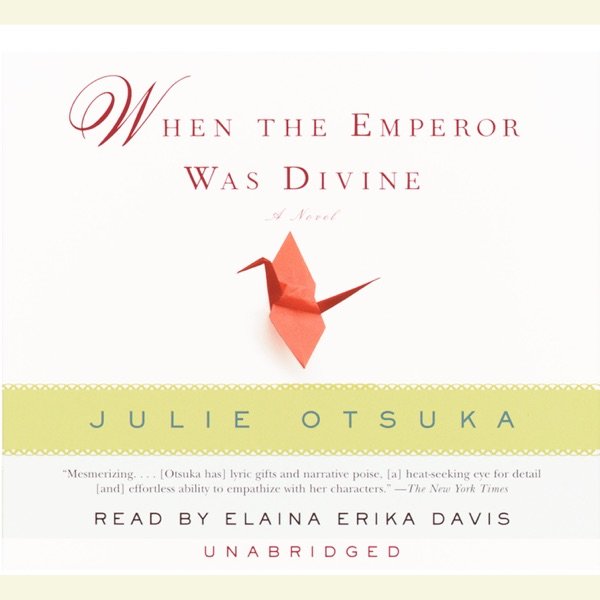
by Julie Otsuka
Nonfiction · 1000L
A spare, formally inventive novel that teaches Japanese American internment through intimate family voices rather than historical exposition—demands maturity but rewards it.
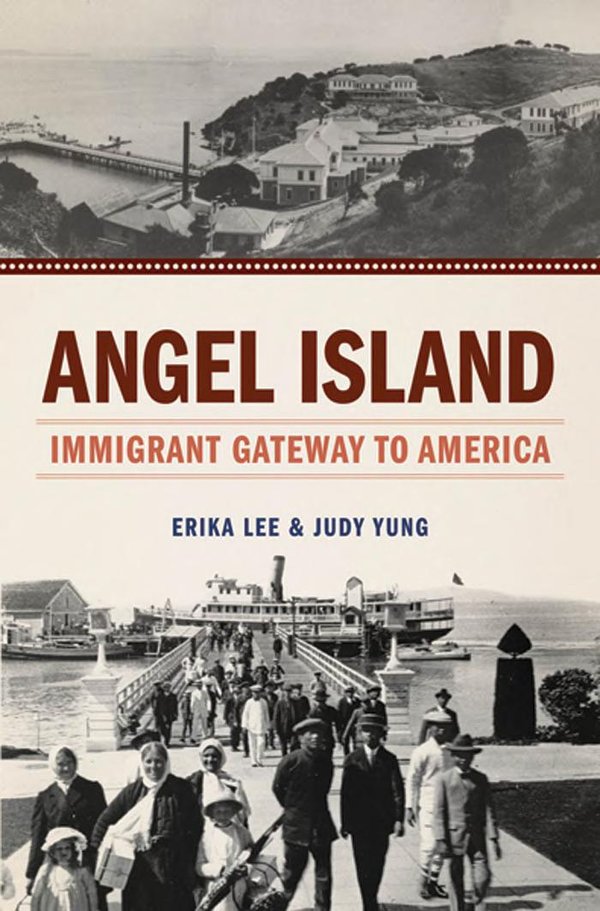
by Erika Lee
Nonfiction · ages 10–18 · grades 5–12 · 1050L
A rigorous, accessible history of a silenced chapter—Lee centers immigrant voices through poetry and testimony, making the personal stakes of exclusion laws visceral without flattening complexity.
Complementing on cause effect
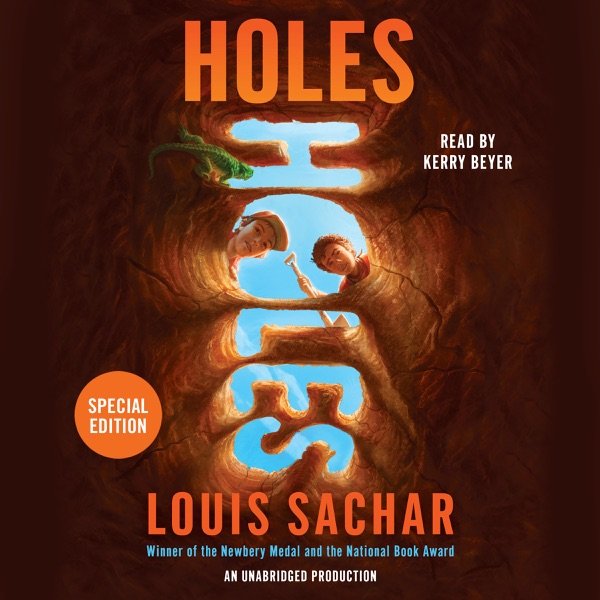
by Louis Sachar
Middle grade · ages 10–14 · grades 5–9 · 740L
A masterwork of interlocking narratives that rewards rereading — kids solve the mystery alongside Stanley, and the structure itself teaches cause-and-effect thinking.
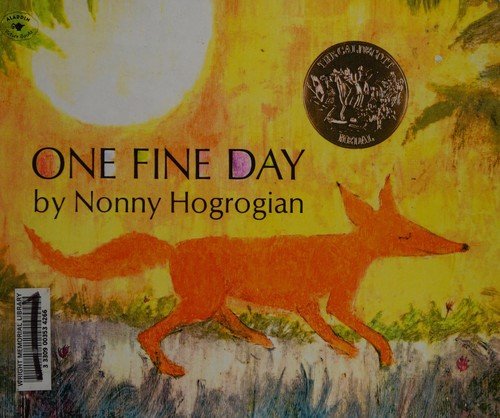
by Nonny Hogrogian
Picture book · ages 4–8 · grades K–3 · 300L
A Caldecott winner that holds up: the circular chain-of-consequence plot is elegant enough to reward rereads, and Hogrogian's folk-art illustrations ground an abstract concept in a lived village.
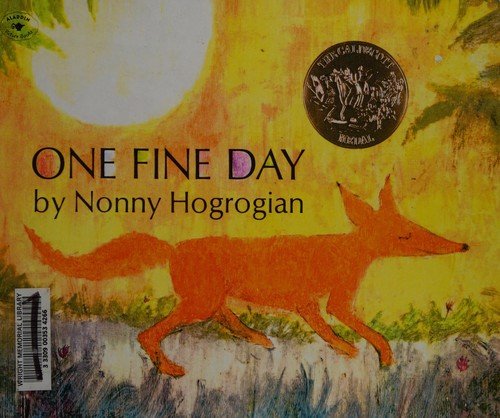
by Nonny Hogrogian
Picture book · ages 4–8 · grades K–3 · 300L
A Caldecott winner that holds up: the circular chain-of-consequence plot is elegant enough to reward rereads, and Hogrogian's folk-art illustrations ground an abstract concept in a lived village.
We'd skip — for now
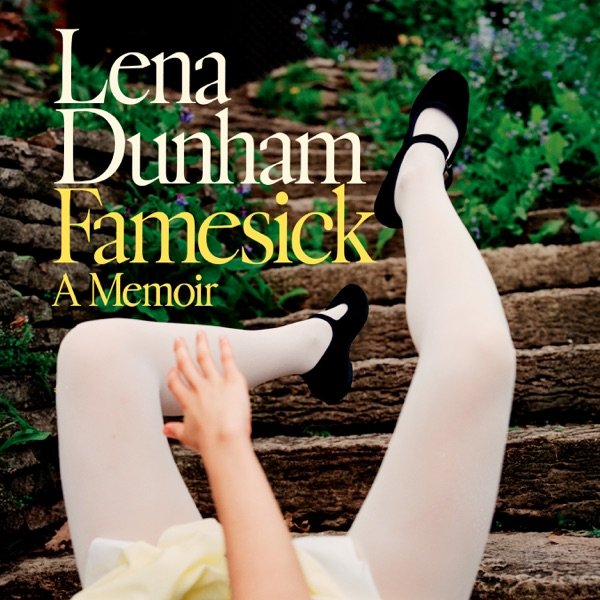
by Lena Dunham
A step up — ages 12–18 · grades 7–12
Skip it if your teen isn't ready for frank adult material (sex, substances, mental health struggles) or if they're in an acute fame-obsession phase where critique might feel like judgment.