For a reader who just finished
Books like The Negro Speaks of Rivers
after The Negro Speaks of Rivers by E. B. Lewis · ages 5–10
Same style
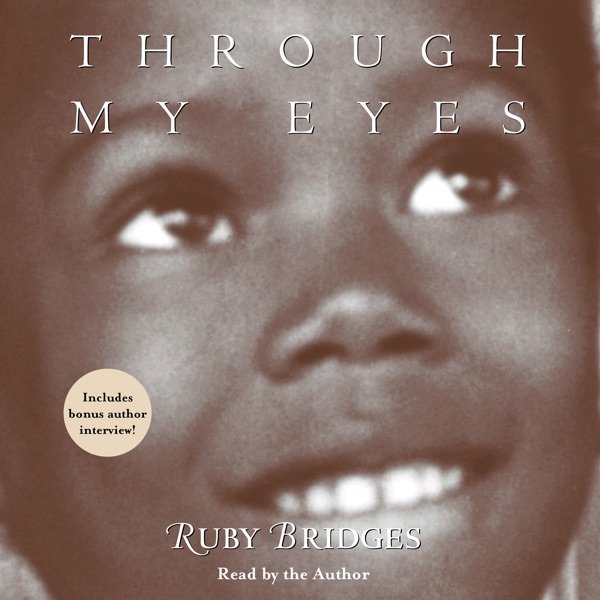
by Ruby Bridges
Picture book · ages 6–10 · grades 1–5 · 620L
The gold standard for introducing desegregation to early readers—Ruby's voice is calm and observant, the pictures are unflinching without being sensationalized, and the book trusts kids to understand why this matters.
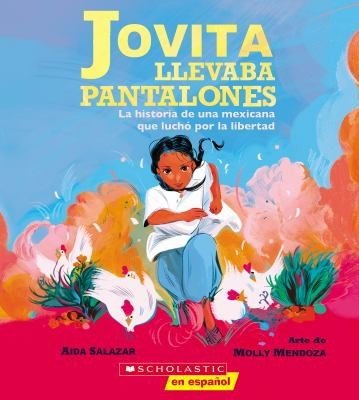
by Molly Mendoza
Picture book · ages 6–9 · grades 1–4 · 620L
A historically grounded, unsentimental picture-book biography that treats a 10-year-old reader as ready for both gender identity and war — the illustrations are respectful and the narrative refuses to sand down the stakes.
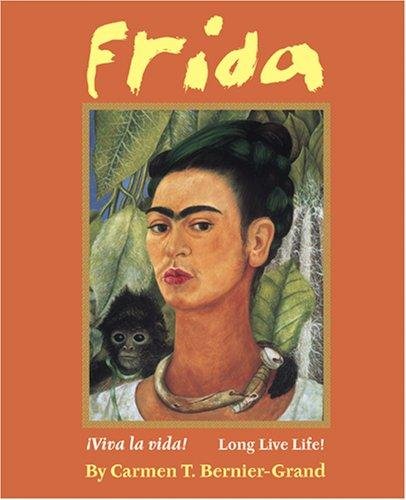
by Carmen T. Bernier-Grand
Picture book · ages 6–10 · grades 1–5 · 650L
Poetic, unflinching, and visually gorgeous—this is the book to introduce kids to an artist who lived what she painted, without sanitizing her pain.
Stretch them up
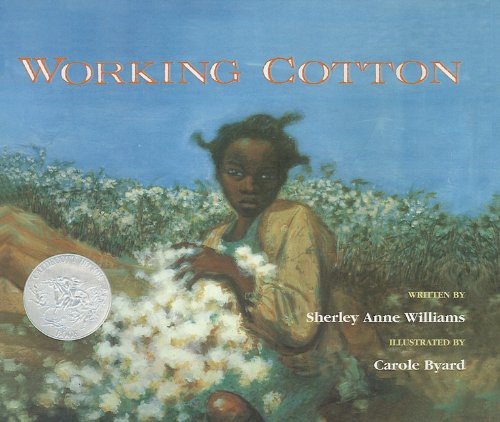
by Carole Byard
Picture book · ages 6–10 · grades 1–5 · 620L
Unflinching, lyrical, and told in the protagonist's own voice — this is the rare picture book that doesn't sentimentalize poverty but doesn't rob children of it either, and Carole Byard's collage art is extraordinary.

by Faith Ringgold
Picture book · ages 4–8 · grades K–3 · 650L
A picture book that works at 6 and deepens at 9—Ringgold's quilted illustrations and Cassie's dreaming of flight and ownership will stick with your kid for years, and the 1930s Harlem setting opens conversations about racism, class, and what freedom means.
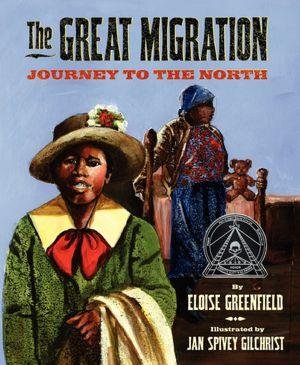
by Eloise Greenfield
Picture book · ages 6–9 · grades 1–4 · 620L
Eloise Greenfield's only children's book about the Great Migration—lyrical, historically grounded, and emotionally honest without being heavy; the illustrations anchor abstract history in real bodies and faces.
Complementing on truth
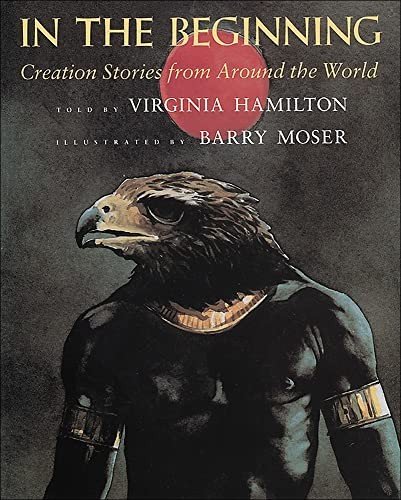
by Virginia Hamilton
Picture book · ages 5–9 · grades K–4 · 820L
Gorgeous, sophisticated, and genuinely restful — Hamilton's prose elevates world mythology without condescension, and Barry Moser's illustrations deepen the dreamlike authority of each story.
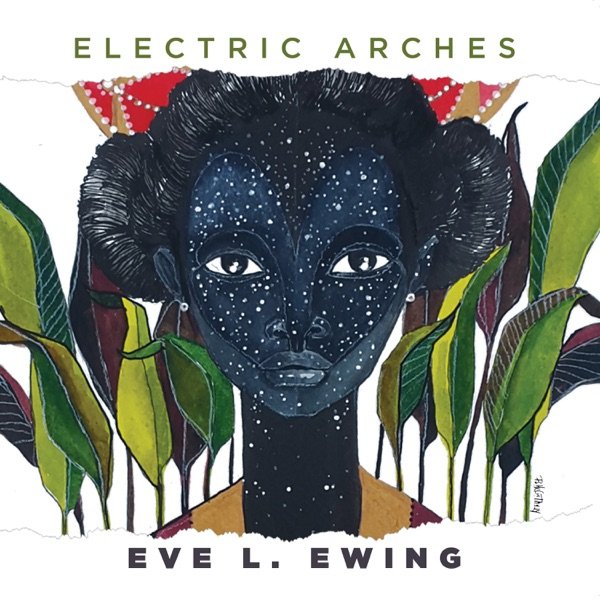
by Eve Ewing
Verse novel
A collection for young poets and teenagers grappling with race, place, and belonging; dense and unflinching about Chicago's history of segregation, gentrification, and resistance—not a gateway poetry book, but a necessary one.
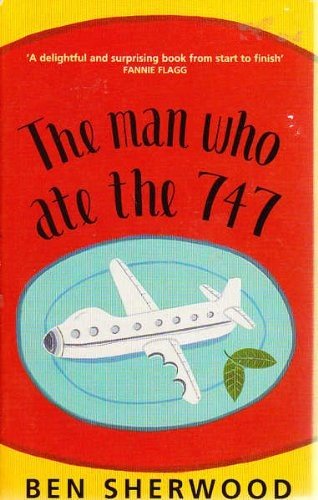
by Ben Sherwood
Nonfiction · 1050L
A clever, unsettling adult-crossover essay that teaches skepticism through a true story of a man who ate metal—ideal for older kids beginning to question media and narrative authority.
We'd skip — for now

by Milton Meltzer
A step up — ages 10–14 · grades 5–9
Skip it if your child is newly learning about Jim Crow and racial violence—this book expects some historical context and includes descriptions of discrimination and social menace that may need framing first.
