For a reader who just finished
Books like The Moon Jumpers
after The Moon Jumpers by Maurice Sendak · ages 4–8
Same style

by Nancy Willard
Picture book · ages 4–9 · grades K–4 · 620L
A Newbery Medal winner that reads like illustrated poetry — Willard's language is playful and precise, Blake's influence is felt throughout, and children return to it because it feels like a secret.
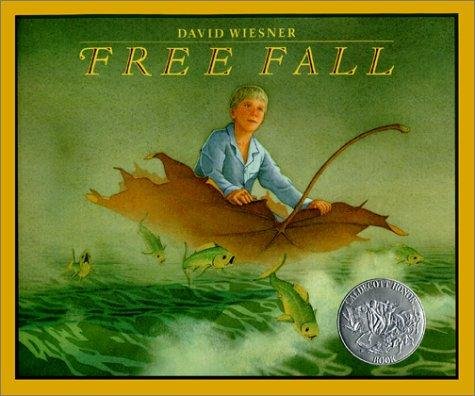
by David Wiesner
Picture book · ages 4–8 · grades K–3
A Caldecott Medal masterpiece that says nothing and shows everything — pure visual storytelling that unlocks kids' own dream-logic and proves a picture book can be as artistically sophisticated as it is accessible.
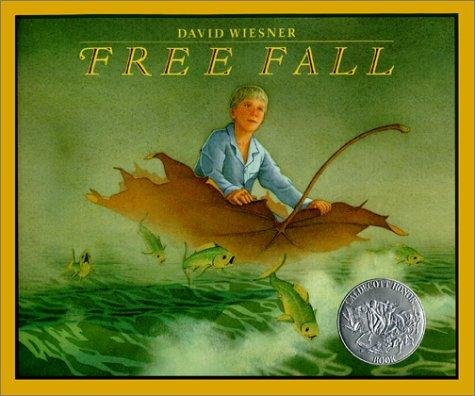
by David Wiesner
Picture book · ages 4–8 · grades K–3
A Caldecott Medal masterpiece that says nothing and shows everything — pure visual storytelling that unlocks kids' own dream-logic and proves a picture book can be as artistically sophisticated as it is accessible.
Stretch them up
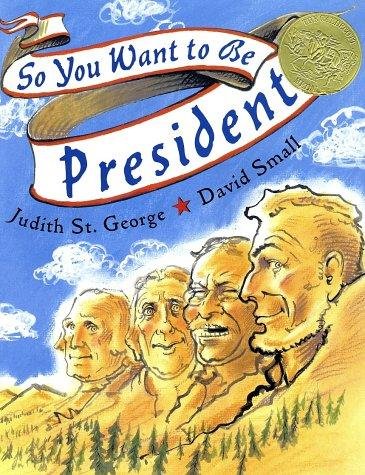
by David Small
Picture book · ages 4–8 · grades K–3 · 620L
A Caldecott winner that makes U.S. history genuinely funny — kids laugh at the absurdity while absorbing real facts about presidents in a format that's pure delight to reread.
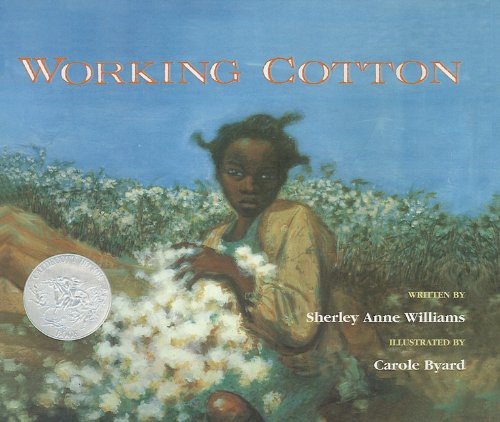
by Carole Byard
Picture book · ages 6–10 · grades 1–5 · 620L
Unflinching, lyrical, and told in the protagonist's own voice — this is the rare picture book that doesn't sentimentalize poverty but doesn't rob children of it either, and Carole Byard's collage art is extraordinary.
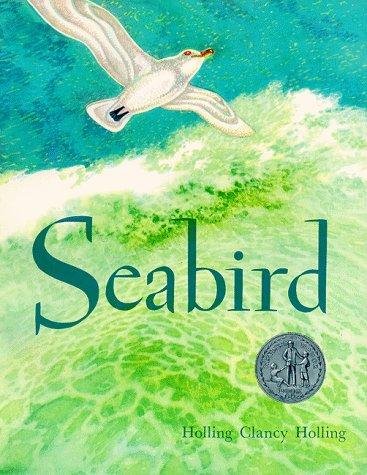
by Holling C. Holling
Picture book · ages 6–10 · grades 1–5 · 620L
A masterpiece of patient observation disguised as a picture book—the illustrations reward close, repeated looking and the text respects a child's intelligence without talking down.
Complementing on imagination
by Nancy Willard
Picture book · ages 4–9 · grades K–4 · 620L
A Newbery Medal winner that reads like illustrated poetry — Willard's language is playful and precise, Blake's influence is felt throughout, and children return to it because it feels like a secret.
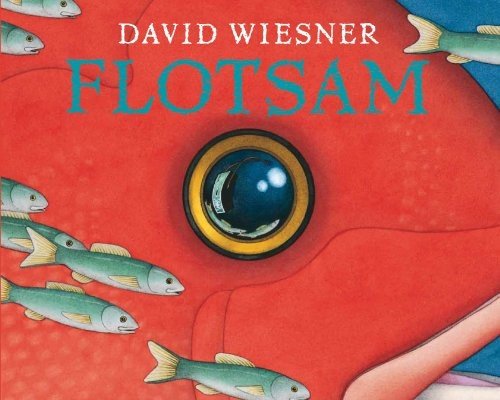
by David Wiesner
Picture book · ages 4–8 · grades K–3
A wordless masterpiece that teaches observation and sparks imagination without a single sentence—kids stare at the panels, construct their own theories, and beg to flip through it again.
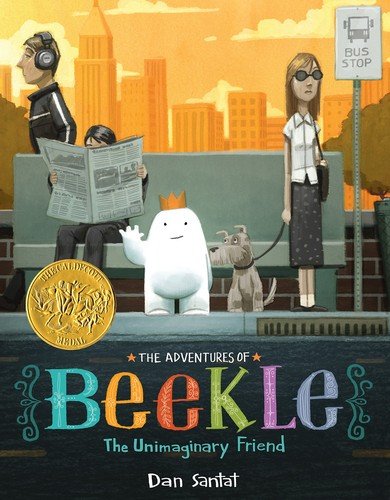
by Dan Santat
Picture book · ages 4–8 · grades K–3 · 620L
A Caldecott winner that genuinely earns it — the wordless passages and Santat's watercolor spreads do more work than the text, and the longing-to-connection arc lands with real emotional weight for kindergarteners and up.
We'd skip — for now
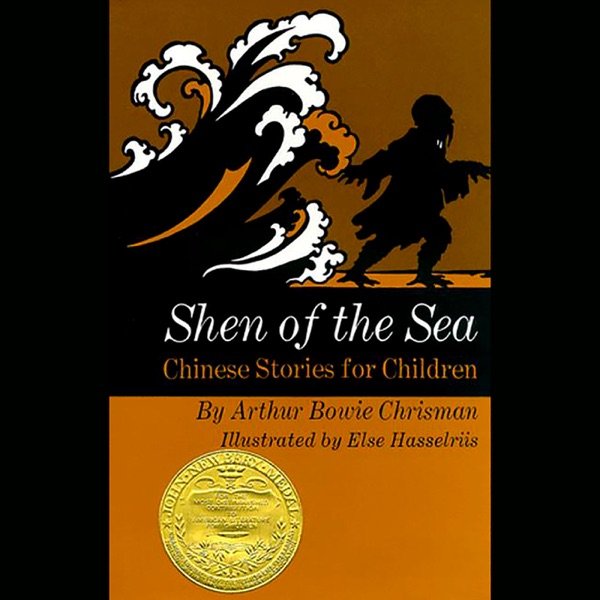
by Arthur Bowie Chrisman
A step up — ages 8–12 · grades 3–7
Skip it if your child prefers plot-driven contemporary stories over folkloric mood pieces—these are lyrical and episodic, not propulsive.
