For a reader who just finished
Books like The Mighty Hunter
after The Mighty Hunter by Berta and Elmer Hader · ages 4–8
Same style
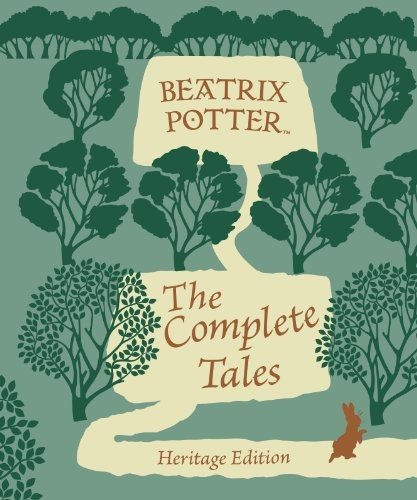
by Beatrix Potter
Picture book · ages 3–8 · grades K–3 · 350L
The originals — Potter's language is precise and slightly arch, her watercolors are exquisite, and the stories hold up as complete narratives, not simplified retellings.
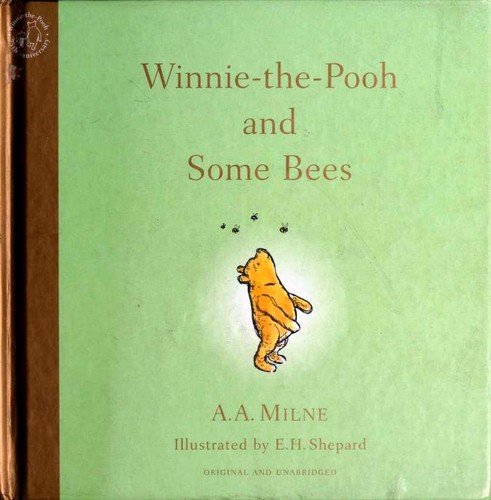
by A. A. Milne
Picture book · ages 4–8 · grades K–3 · 420L
The foundational friendship story — Milne's prose and E.H. Shepard's illustrations create a world so warm and funny that it survives a century of reprints.
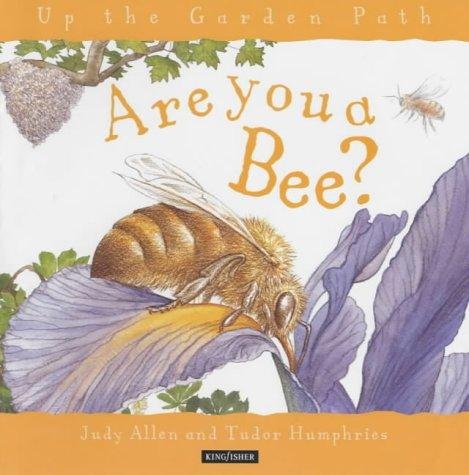
by Judy Allen
Picture book · ages 4–7 · grades K–2 · 320L
A gentle visual guessing game that teaches observation through repetition and pattern—perfect for garden exploration and bug identification walks.
Stretch them up
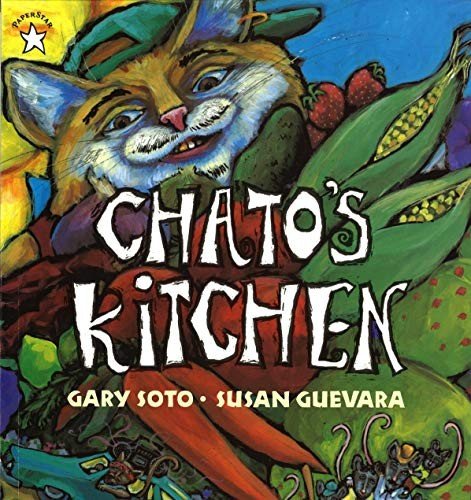
by Susan Guevara
Picture book · ages 4–8 · grades K–3 · 520L
A genuinely charming meditation on unexpected friendship and cultural warmth—Guevara's art captures East LA texture, and the predator-prey friendship subversion delights without preaching.
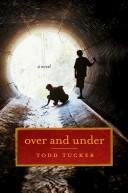
by Todd Tucker
Picture book · ages 4–8 · grades K–3 · 600L
A quiet masterpiece that teaches observation without a word of didacticism—kids naturally want to lift the flaps and peek, building real naturalist instincts.
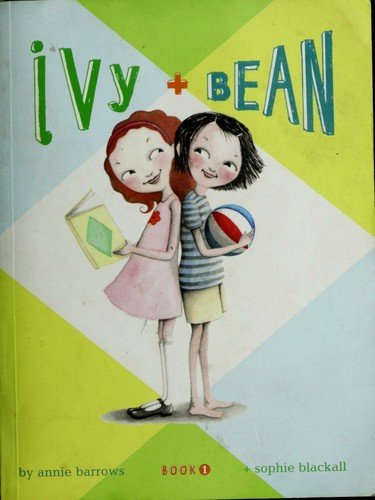
by Annie Barrows
Early reader · ages 6–9 · grades 1–4 · 520L
The friendship book for this age—low-stakes, genuinely funny, and kids recognize themselves in both characters instead of just one.
Complementing on observation evidence
by Leo Politi
Picture book · ages 4–8 · grades K–3 · 620L
A 1946 Newbery winner that holds up: lyrical, culturally grounded, and teaches patient observation without preaching—the swallows are a genuine draw, not a metaphor.
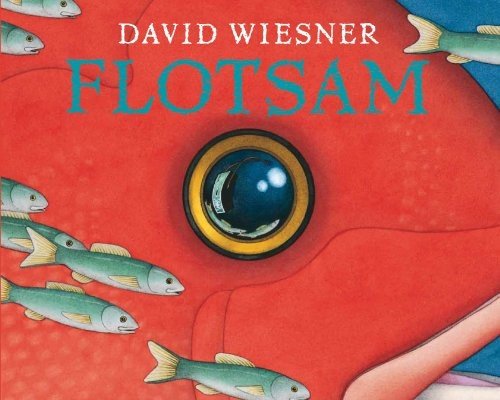
by David Wiesner
Picture book · ages 4–8 · grades K–3
A wordless masterpiece that teaches observation and sparks imagination without a single sentence—kids stare at the panels, construct their own theories, and beg to flip through it again.
by Todd Tucker
Picture book · ages 4–8 · grades K–3 · 600L
A quiet masterpiece that teaches observation without a word of didacticism—kids naturally want to lift the flaps and peek, building real naturalist instincts.
We'd skip — for now
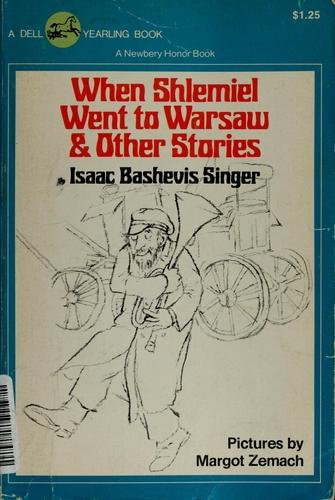
by Isaac Bashevis Singer
A step up — ages 8–12 · grades 3–7
Skip it if your child finds ambiguity or circular logic frustrating rather than funny; the title story in particular may perplex literalists.
