For a reader who just finished
Books like The House of Sixty Fathers
after The House of Sixty Fathers by Meindert De Jong · ages 8–12
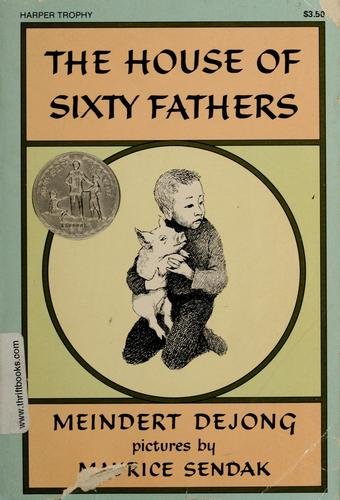
Middle grade · grades 3–7 · 780L
A Newbery Honor that holds up—spare, dignified, and unsentimental about a child's wartime displacement; worth the reading challenge and the serious conversations it invites.
Full details →
Same style
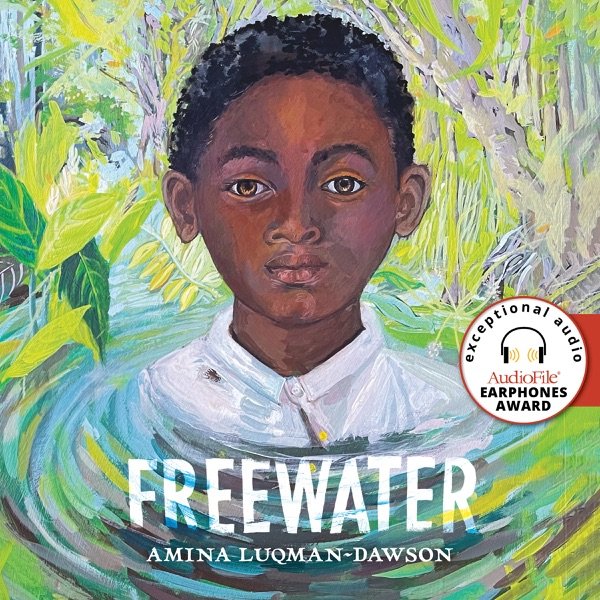
by Amina Luqman-Dawson
Middle grade · ages 10–14 · grades 5–9 · 780L
A rare middle-grade novel that treats slavery and Black resistance with intellectual and emotional honesty—no sanitizing, no triumph-narrative shortcuts, but genuine complexity and beauty.
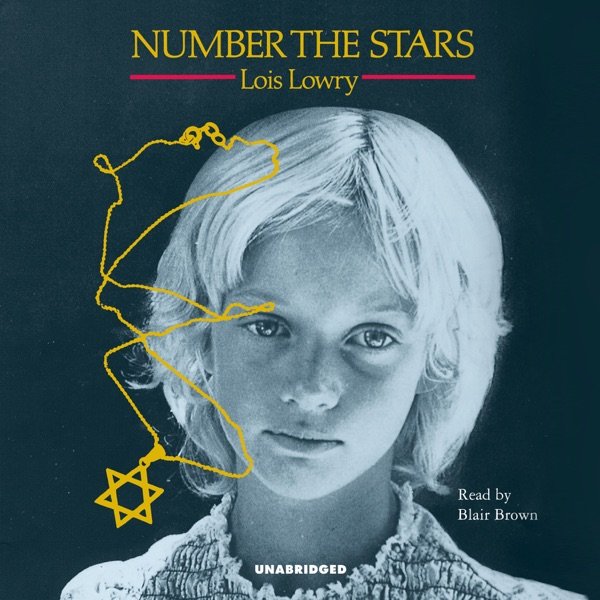
by Lois Lowry
Middle grade · ages 10–14 · grades 5–9 · 740L
A masterwork of historical fiction for middle grade—Lowry trusts kids with real stakes and moral complexity without traumatizing them, and the quiet bravery of an ordinary girl becomes indelible.
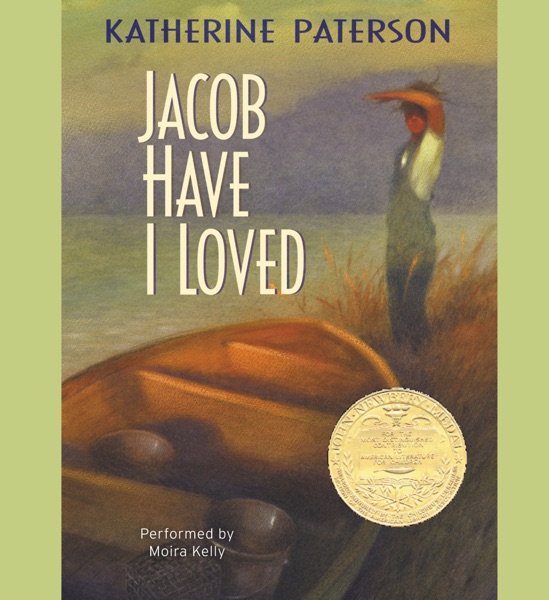
by Katherine Paterson
Middle grade · ages 10–14 · grades 5–9 · 820L
A Newbery winner that actually deserves it—Paterson writes sibling resentment and reconciliation with such honesty that kids recognize their own families, and the 1941 Chesapeake setting carries real historical weight without preaching.
Stretch them up
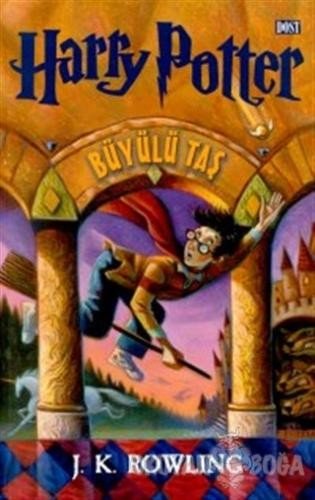
by J. K. Rowling
Middle grade · ages 9–12 · grades 4–7 · 880L
The book that redefined children's fiction — richly imagined world, genuine stakes, prose that respects young readers, and a protagonist's journey from isolation to belonging that doesn't feel saccharine.
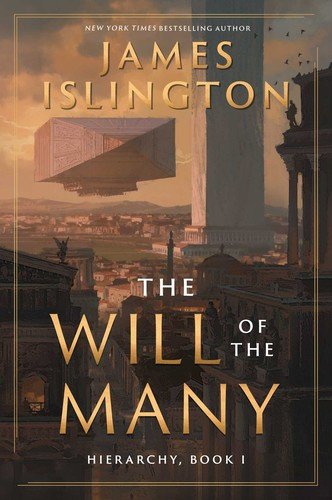
by James Islington
Middle grade · ages 10–14 · grades 5–9 · 890L
A genuinely sophisticated magic system wrapped in a mystery about identity — harder than typical middle grade but rewarding for strong readers who don't need constant humor.
Complementing on perspective taking
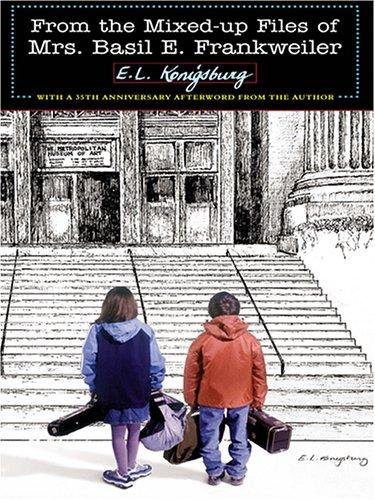
by E. L. Konigsburg
Middle grade · ages 8–12 · grades 3–7 · 790L
A book that trusts kids to be intellectually bored and emotionally complex—Claudia's runaway isn't melodrama, it's a quiet reckoning with identity that lands harder on rereads.
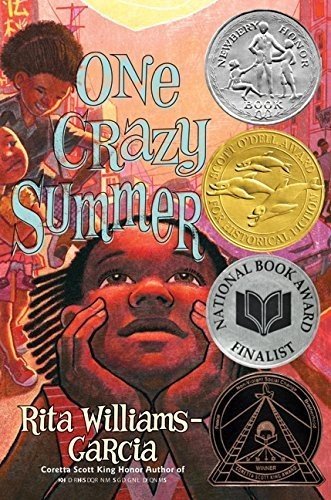
by Rita Williams-Garcia
Middle grade · ages 8–12 · grades 3–7 · 750L
A richly layered book about sisterhood, identity, and reckoning with parental complexity that treats kids' emotional intelligence seriously—the ending doesn't tidy up, which is exactly why it stays with them.
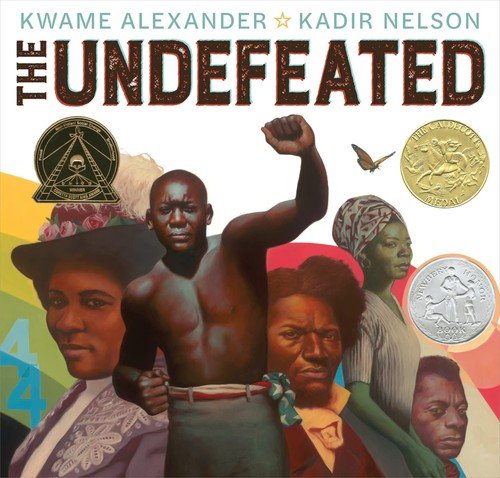
by Kwame Alexander
Verse novel · ages 10–14 · grades 5–9 · 620L
A landmark book that uses verse to make 500 years of Black American history personal and urgent—kids understand their own power within a larger story.
We'd skip — for now
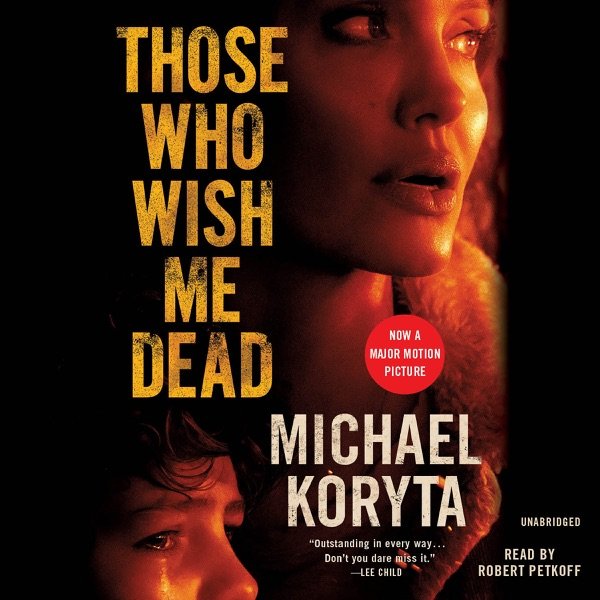
by Michael Koryta
A step up — ages 14–18 · grades 9–12
Skip it if your child is squeamish about injury or sustained threat; there are on-page deaths and real physical peril throughout.
