For a reader who just finished
Books like The Harvester
after The Harvester by Gene Stratton-Porter · ages 12–16
Same style
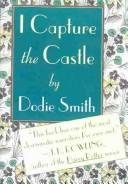
by Dodie Smith
Young adult · ages 14–18 · grades 9–12 · 920L
A rare teen novel that treats introspection and romantic awakening with genuine wit and philosophical seriousness — Cassandra's voice is so distinct and observant that readers reread passages for the prose alone.
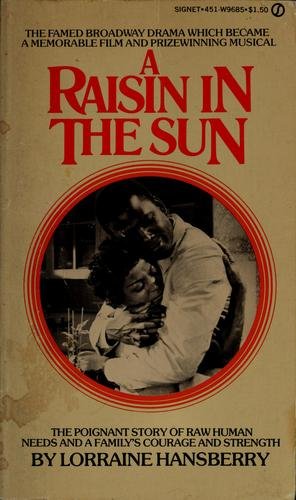
by Lorraine Hansberry
Young adult · ages 14–18 · grades 9–12 · 1020L
The canonical American play about Black family life and the cost of systemic racism—essential reading for teens old enough to hold its complexity and grief, and likely to reshape how they think about class, aspiration, and dignity.
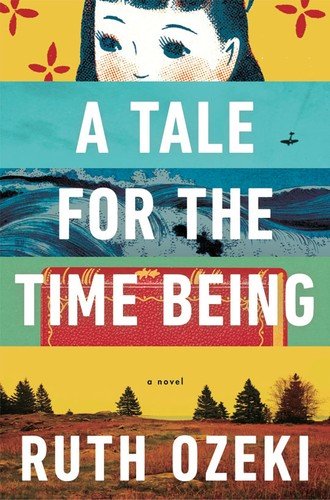
by Ruth L. Ozeki
Young adult · ages 14–18 · grades 9–12 · 1000L
A sophisticated, digressive meditation on suicide, identity, and connection that trusts teen readers to sit with ambiguity; not a neat rescue narrative, but genuinely moving for mature 15+ readers.
Stretch them up
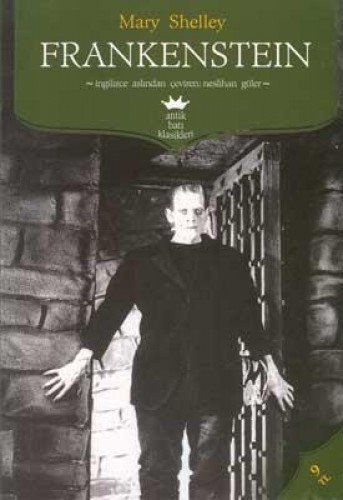
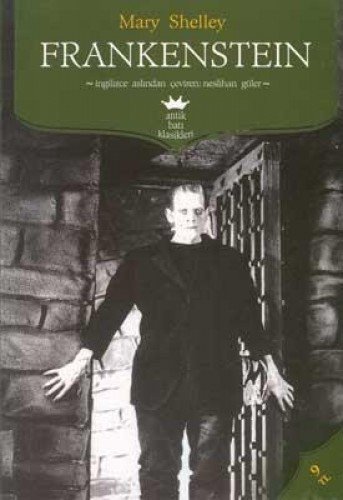
by Mary Shelley
Young adult · ages 12–18 · grades 7–12 · 1180L
A genuinely haunting exploration of responsibility, isolation, and monstrosity that holds up—the creature is more eloquent and sympathetic than Victor, and that inversion lands harder on a reread.
by Mary Shelley
Young adult · ages 13–18 · grades 8–12 · 1220L
Dense 19th-century prose and frame-story structure demand patient readers, but the creature's own voice is one of literature's great moral achievements—genuinely unsettling not for gore but for questions about creation, worth, and cruelty.
by Homer
Young adult · ages 12–18 · grades 7–12 · 1200L
A foundational epic with real bite—the supernatural menace and maritime peril land, the politics of honor and homecoming still sting, and most 12+ readers surprise themselves by wanting to know what happens next.
Complementing on a good life
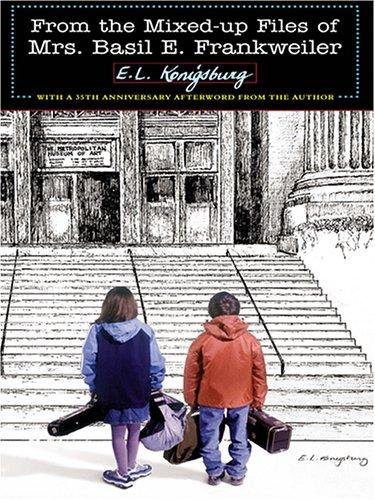
by E. L. Konigsburg
Middle grade · ages 8–12 · grades 3–7 · 790L
A book that trusts kids to be intellectually bored and emotionally complex—Claudia's runaway isn't melodrama, it's a quiet reckoning with identity that lands harder on rereads.
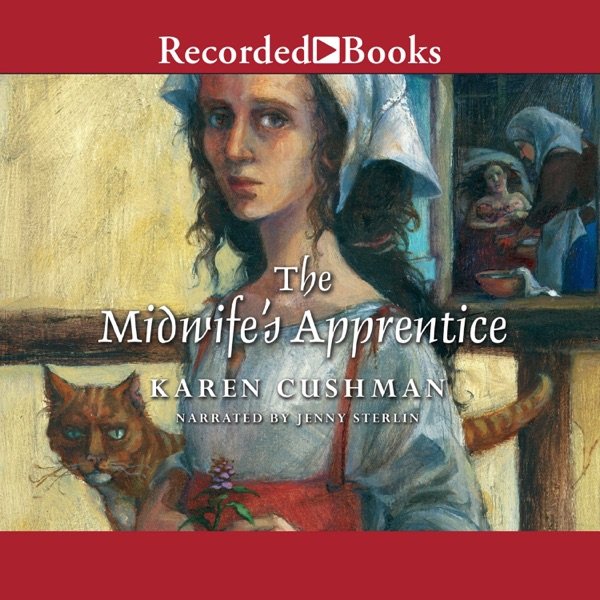
by Karen Cushman
Middle grade · ages 10–14 · grades 5–9 · 780L
A Newbery winner that earns it: a girl with no name becomes herself through honest work and adult recognition; the medieval setting and childbirth apprenticeship feel urgent and real, not decorative.
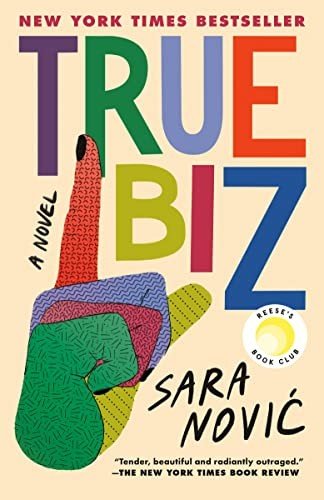
by Sara Nović
Middle grade · ages 10–14 · grades 5–9 · 820L
A genuinely original YA-crossover novel that treats Deaf culture as protagonist, not obstacle—kids learn to think in sign while wrestling with identity questions that feel urgent, not didactic.
We'd skip — for now
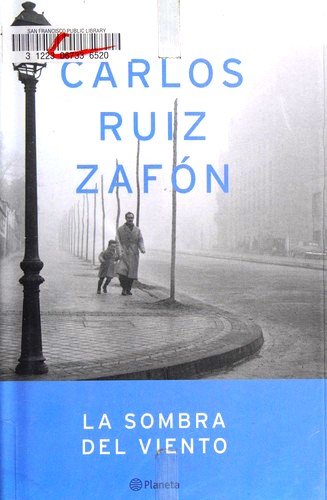
by Carlos Ruiz Zafón
A step up — ages 16–18 · grades 11–12
Skip it if your teen is averse to slow, atmospheric plots; this is a 500-page setup for a twist that some readers find anticlimactic. Also skip if child abuse or domestic violence depicted through trauma is triggering—the Nuria/Isabella backstory is dark and detailed.
