
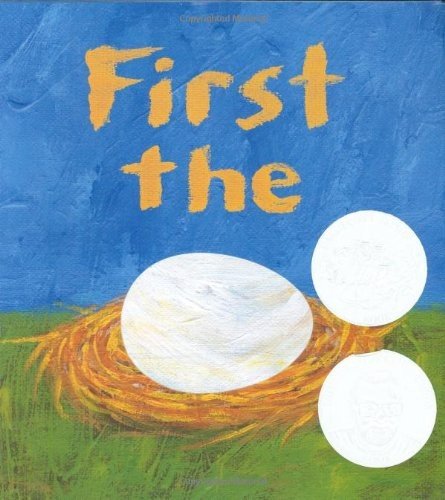
First the Egg
by Laura Vaccaro Seeger
Picture book · ages 2–5 · grade K
A nearly wordless picture book about transformation that preschoolers return to obsessively; the die-cut pages make the metamorphosis tactile and concrete.
For a reader who just finished
after The Happy Day by Marc Simont · ages 3–6
Same style
by Laura Vaccaro Seeger
Picture book · ages 2–5 · grade K
A nearly wordless picture book about transformation that preschoolers return to obsessively; the die-cut pages make the metamorphosis tactile and concrete.
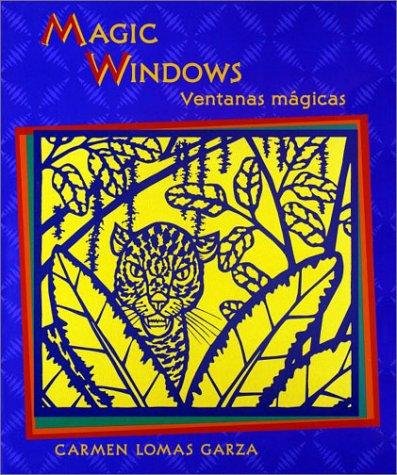
by Carmen Lomas Garza
Picture book · ages 4–8 · grades K–3
Lomas Garza's cut-paper illustrations are so vivid they feel tactile; this is a quiet, powerful book about Mexican American family life that lets children see themselves or learn generously about others' everyday magic.
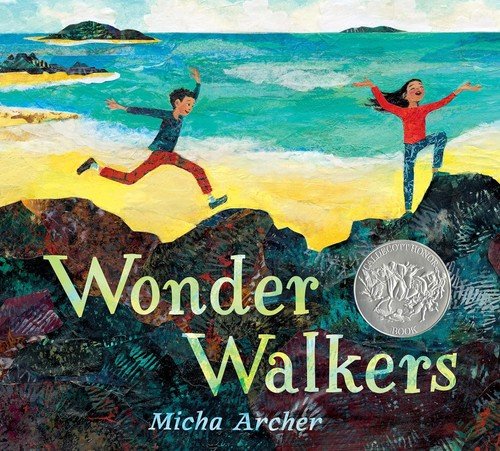
by Micha Archer
Picture book · ages 4–8 · grades K–3 · 420L
A quiet, joyful celebration of noticing — the kind of book that trains kids to actually *see* the world and ask real questions instead of moving past it.
Stretch them up
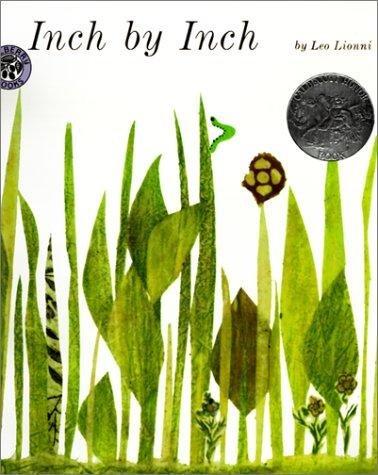
by Leo Lionni
Picture book · ages 4–8 · grades K–3 · 320L
Lionni's masterpiece: a deceptively simple story about measuring that plants the seeds of mathematical thinking and lateral problem-solving while the collage art stays mesmerizing on every reread.
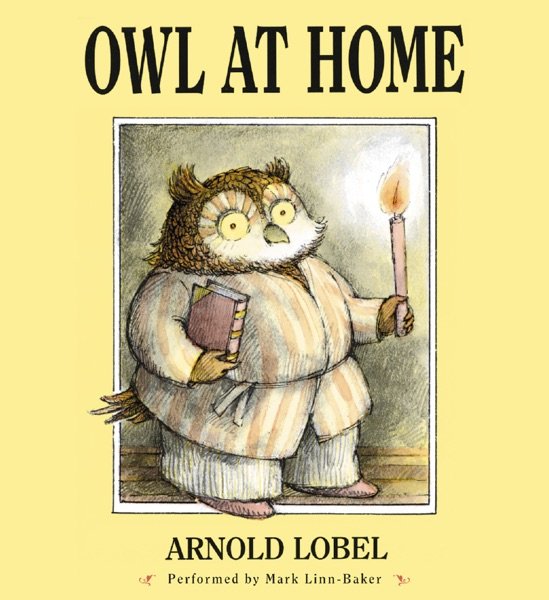
by Arnold Lobel
Early reader · ages 4–8 · grades K–3 · 420L
Arnold Lobel's masterpiece for early readers—deceptively gentle stories about solitude, friendship, and small domestic joys that grow richer on rereads; the illustrations are essential to the book's heart.
by The Stuff of Stars
Picture book · ages 4–8 · grades K–3 · 500L
A stunning meditation on Black identity, cosmic belonging, and the stuff of stars — Holmes's collage art is as much the story as the lyrical text, and it lands as both emotional and genuinely educational.
Complementing on observation evidence
by Leo Politi
Picture book · ages 4–8 · grades K–3 · 620L
A 1946 Newbery winner that holds up: lyrical, culturally grounded, and teaches patient observation without preaching—the swallows are a genuine draw, not a metaphor.
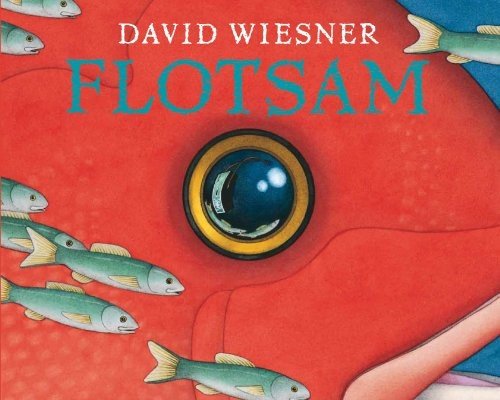
by David Wiesner
Picture book · ages 4–8 · grades K–3
A wordless masterpiece that teaches observation and sparks imagination without a single sentence—kids stare at the panels, construct their own theories, and beg to flip through it again.
by Todd Tucker
Picture book · ages 4–8 · grades K–3 · 600L
A quiet masterpiece that teaches observation without a word of didacticism—kids naturally want to lift the flaps and peek, building real naturalist instincts.
We'd skip — for now
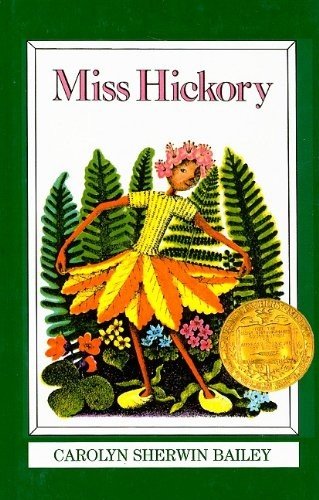
by Carolyn Sherwin Bailey
A step up — ages 6–10 · grades 1–5
Skip it if your child is unsettled by the implied death of the protagonist or animal predation; the ending is bittersweet, not dark, but it's real.