For a reader who just finished
Books like The Eyes and the Impossible
after The Eyes and the Impossible by Dave Eggers · ages 4–8
Same style
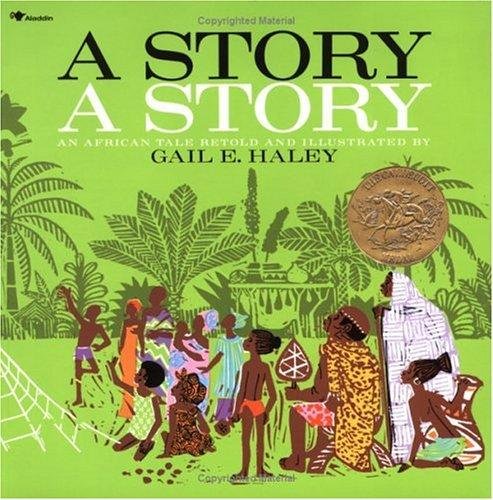
by Gail E. Haley
Picture book · ages 4–8 · grades K–3 · 620L
A Caldecott winner that works as folklore entry point, visual feast, and celebration of cleverness over brute strength—the illustrations anchor the oral tradition on the page without deadening it.

by Trombone Shorty
Picture book · ages 4–8 · grades K–3 · 620L
A vibrant, authentic introduction to New Orleans jazz culture and a kid who chose music; Collier's collage art pulses with joy and the first-person voice feels genuinely lived-in.

by Trombone Shorty
Picture book · ages 4–8 · grades K–3 · 620L
A vibrant, authentic introduction to New Orleans jazz culture and a kid who chose music; Collier's collage art pulses with joy and the first-person voice feels genuinely lived-in.
Stretch them up
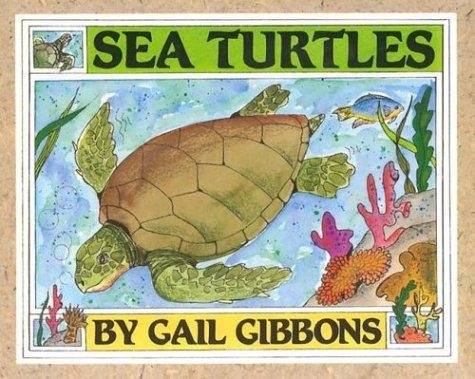
by Gail Gibbons
Picture book · ages 4–8 · grades K–3 · 820L
Gibbons' clearest nonfiction picture book — dense, factual, and visually organized so even a 4-year-old can follow; the gold standard for introducing marine biology without condescension.

by Seymour Simon
Picture book · ages 6–10 · grades 1–5 · 800L
Seymour Simon's photography and clear prose make snakes genuinely fascinating without sentimentalizing them; kids come away understanding predator-prey dynamics and adaptation, not fear.

by Carole Boston Weatherford
Picture book · ages 6–10 · grades 1–5 · 780L
Weatherford's verse and Jamila Rowser's painterly illustrations make Schomburg's archival mission feel urgent and beautiful—kids understand he built something essential, not just collected things.
Complementing on problem solving
by Gail E. Haley
Picture book · ages 4–8 · grades K–3 · 620L
A Caldecott winner that works as folklore entry point, visual feast, and celebration of cleverness over brute strength—the illustrations anchor the oral tradition on the page without deadening it.
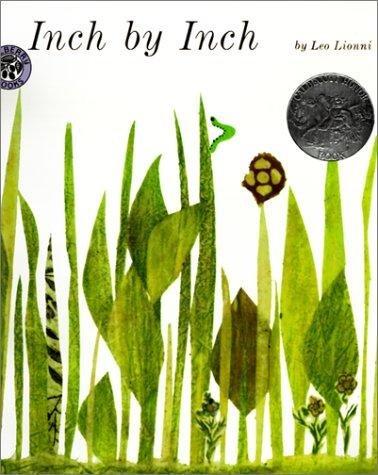
by Leo Lionni
Picture book · ages 4–8 · grades K–3 · 320L
Lionni's masterpiece: a deceptively simple story about measuring that plants the seeds of mathematical thinking and lateral problem-solving while the collage art stays mesmerizing on every reread.
by Leo Lionni
Picture book · ages 4–8 · grades K–3 · 320L
Lionni's masterpiece: a deceptively simple story about measuring that plants the seeds of mathematical thinking and lateral problem-solving while the collage art stays mesmerizing on every reread.
We'd skip — for now
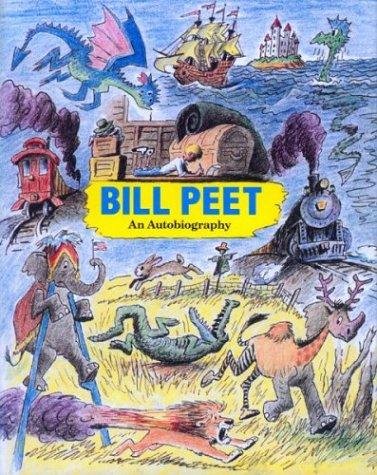
by Bill Peet
A step up — ages 8–12 · grades 3–7
Skip it if your child has no interest in drawing or animation, or if they find long picture books (chronological rather than episodic) tedious.
