For a reader who just finished
Books like The Evolution of Calpurnia Tate
after The Evolution of Calpurnia Tate by Jacqueline Kelly · ages 10–14
Same style
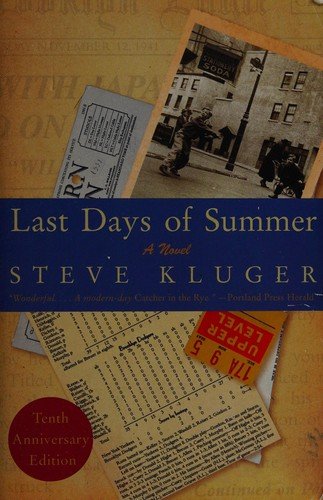
by Steve Kluger
Middle grade · ages 9–12 · grades 4–7 · 780L
A quiet masterpiece about the friendship between two Jewish boys in 1982 New York — told through letters, baseball stats, and the kind of emotional honesty that makes middle-graders feel genuinely seen.
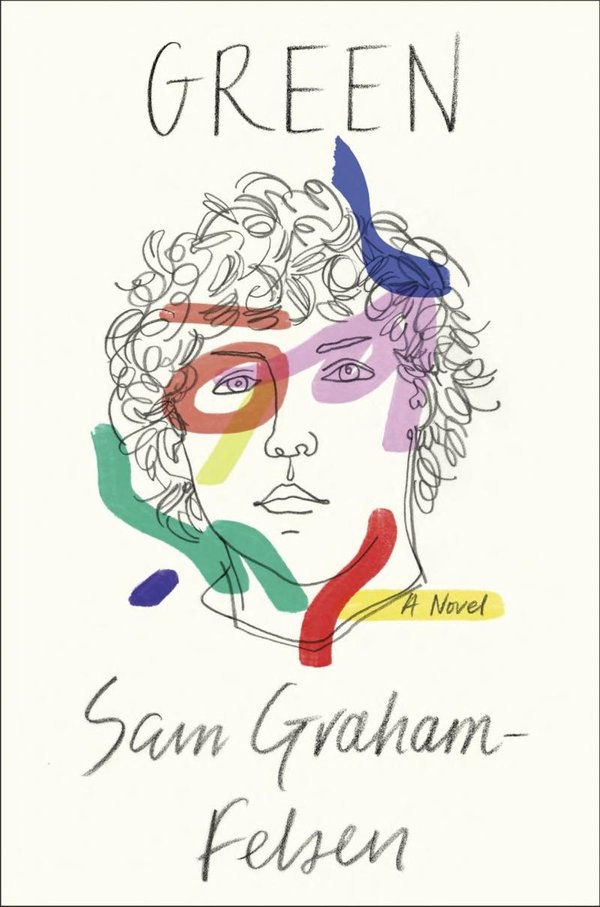
by Sam Graham-Felsen
Middle grade · ages 8–12 · grades 3–7 · 770L
A beautifully crafted friendship novel that takes the messy reality of growing apart seriously without sentiment; it's about what you owe people and what you owe yourself.
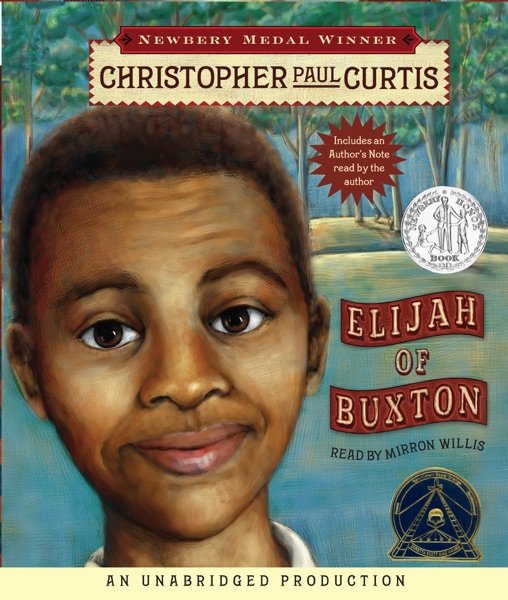
by Christopher Paul Curtis
Middle grade · ages 8–12 · grades 3–7 · 790L
Curtis writes child voice with such precision and warmth that kids don't notice they're learning 19th-century history and grappling with impossible moral choices—a rare book that earns its gravity without preaching.
Stretch them up
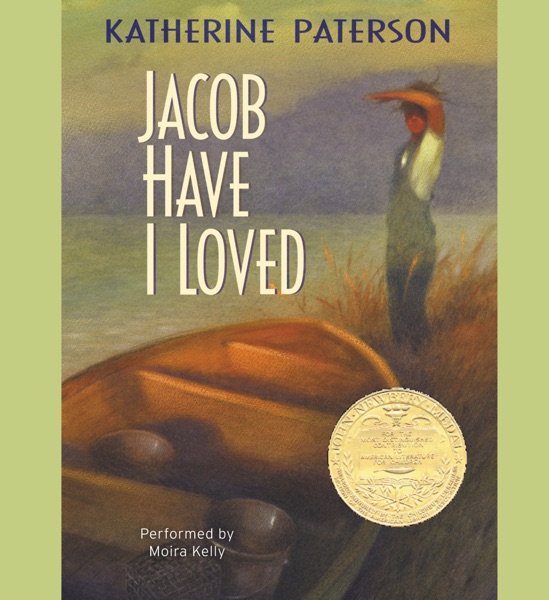
by Katherine Paterson
Middle grade · ages 10–14 · grades 5–9 · 820L
A Newbery winner that actually deserves it—Paterson writes sibling resentment and reconciliation with such honesty that kids recognize their own families, and the 1941 Chesapeake setting carries real historical weight without preaching.
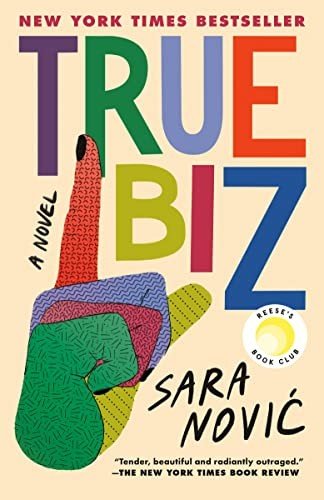
by Sara Nović
Middle grade · ages 10–14 · grades 5–9 · 820L
A genuinely original YA-crossover novel that treats Deaf culture as protagonist, not obstacle—kids learn to think in sign while wrestling with identity questions that feel urgent, not didactic.
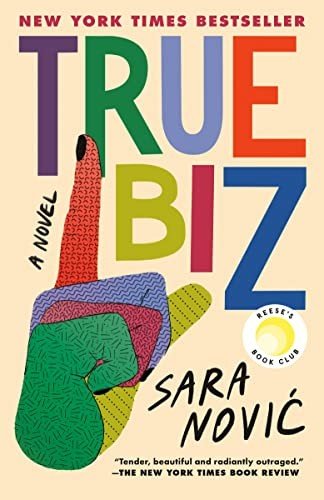
by Sara Nović
Middle grade · ages 10–14 · grades 5–9 · 820L
A genuinely original YA-crossover novel that treats Deaf culture as protagonist, not obstacle—kids learn to think in sign while wrestling with identity questions that feel urgent, not didactic.
Complementing on a good life
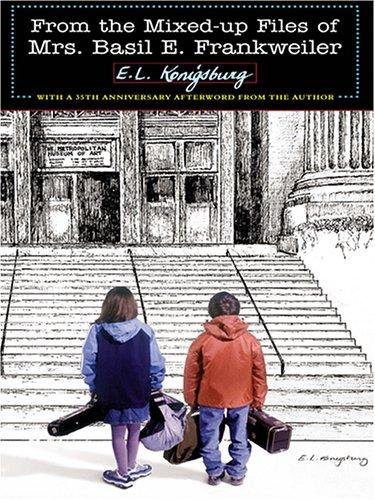
by E. L. Konigsburg
Middle grade · ages 8–12 · grades 3–7 · 790L
A book that trusts kids to be intellectually bored and emotionally complex—Claudia's runaway isn't melodrama, it's a quiet reckoning with identity that lands harder on rereads.
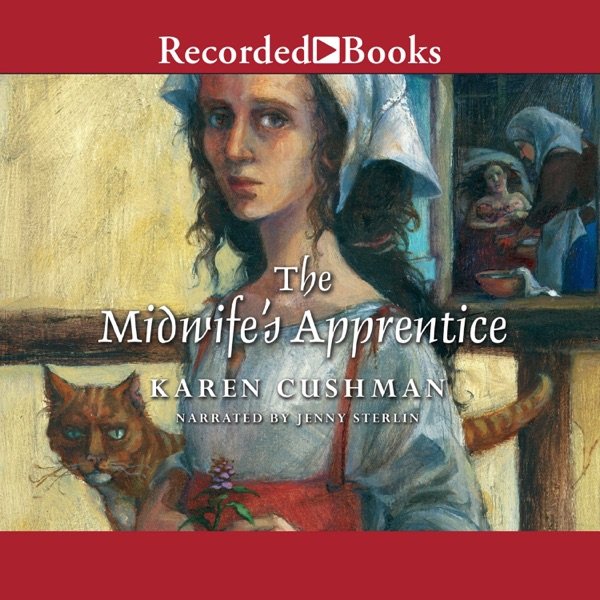
by Karen Cushman
Middle grade · ages 10–14 · grades 5–9 · 780L
A Newbery winner that earns it: a girl with no name becomes herself through honest work and adult recognition; the medieval setting and childbirth apprenticeship feel urgent and real, not decorative.
by Sara Nović
Middle grade · ages 10–14 · grades 5–9 · 820L
A genuinely original YA-crossover novel that treats Deaf culture as protagonist, not obstacle—kids learn to think in sign while wrestling with identity questions that feel urgent, not didactic.
We'd skip — for now
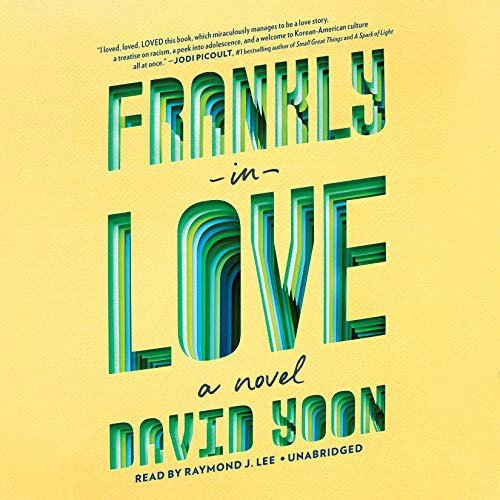
by David Yoon
A step up — ages 14–18 · grades 9–12
Skip it if you want to avoid frank (age-appropriate) discussion of sexuality and gender identity, or if your teen has recently struggled with coming-out pressure — the book's lightness around a heavy topic might feel dismissive.
