For a reader who just finished
Books like The Day We Saw the Sun Come Up
after The Day We Saw the Sun Come Up by Adrienne Adams · ages 4–8
Same style
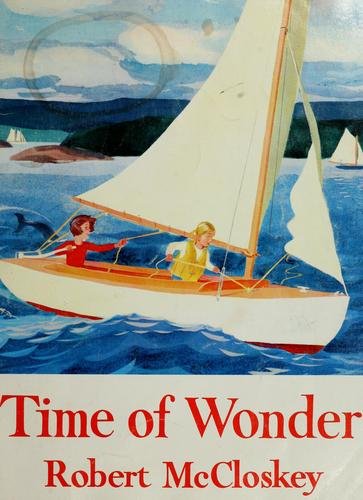
by Robert McCloskey
Picture book · ages 4–8 · grades K–3
McCloskey's most lyrical book — the illustrations *are* the narrative, and the poetic text models how to notice the small miracles of a place; worth returning to across childhood.
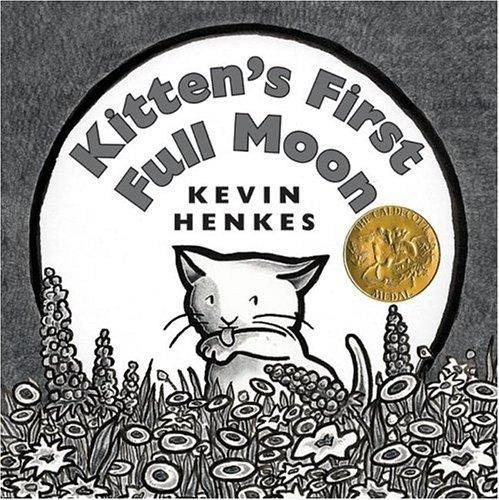
by Kevin Henkes
Picture book · ages 3–7 · grades K–2 · 190L
A Caldecott Medal quiet masterpiece: repetitive, rhythmic, and visually perfect for the 3–5 set; the night scenes and Henkes's spare line work teach observation without a word of instruction.
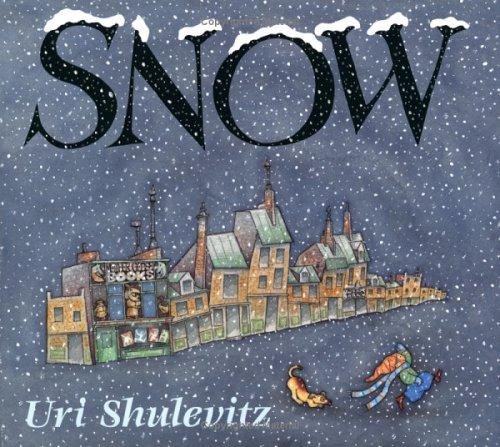
by Uri Shulevitz
Picture book · ages 4–8 · grades K–3
A perfect quiet meditation on anticipation and observation—Shulevitz's watercolors build mood so convincingly that kids feel the snow coming before it arrives.
Stretch them up
no coverby The Stuff of Stars
Picture book · ages 4–8 · grades K–3 · 500L
A stunning meditation on Black identity, cosmic belonging, and the stuff of stars — Holmes's collage art is as much the story as the lyrical text, and it lands as both emotional and genuinely educational.
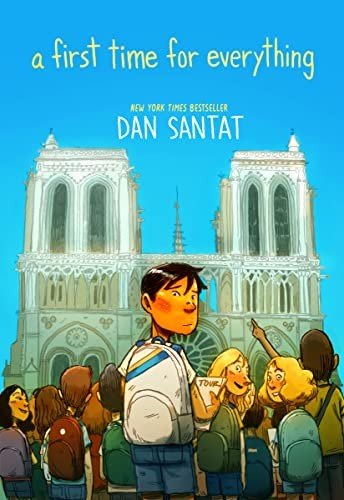
by Dan Santat
Picture book · ages 4–8 · grades K–3 · 500L
Santat's warmest work — a validation for shy kids that doing things scared is normal, and that friendship makes it easier; read-aloud gold for ages 5–7.
by Angela Dominguez
Picture book · ages 4–8 · grades K–3 · 480L
A quiet, gorgeously illustrated intergenerational love story that plants language and cultural pride without preaching—kids ask about mango trees afterward, and parents see themselves in the bilingual household.
Complementing on observation evidence
by Leo Politi
Picture book · ages 4–8 · grades K–3 · 620L
A 1946 Newbery winner that holds up: lyrical, culturally grounded, and teaches patient observation without preaching—the swallows are a genuine draw, not a metaphor.
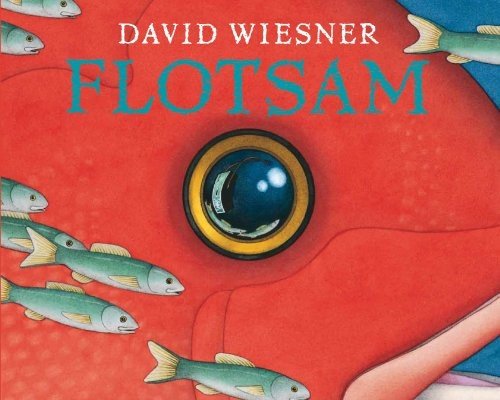
by David Wiesner
Picture book · ages 4–8 · grades K–3
A wordless masterpiece that teaches observation and sparks imagination without a single sentence—kids stare at the panels, construct their own theories, and beg to flip through it again.
by Todd Tucker
Picture book · ages 4–8 · grades K–3 · 600L
A quiet masterpiece that teaches observation without a word of didacticism—kids naturally want to lift the flaps and peek, building real naturalist instincts.
We'd skip — for now
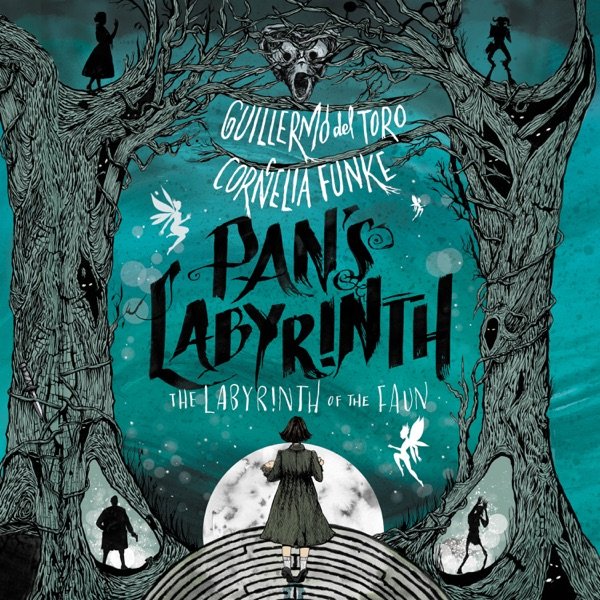
by Guillermo del Toro
A step up — ages 8–12 · grades 3–7
Skip it if your child has been distressed by wartime violence, death, or malevolent adults in authority — the stepfather is menacing and several scenes depict harm without resolution.
