For a reader who just finished
Books like The Dark Star of Itza: The Story of A Pagan Princess
after The Dark Star of Itza: The Story of A Pagan Princess by Alida Malkus · ages 8–12
Same style
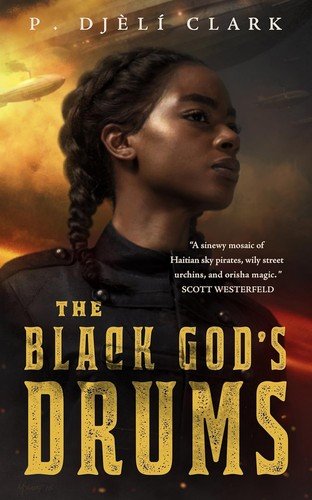
by P. Djèlí Clark
Middle grade · ages 8–12 · grades 3–7 · 780L
A Deaf protagonist in a richly imagined alternate-history New Orleans who saves the city through courage, resourcefulness, and trust in her own senses—rare, specific, and genuinely page-turning.
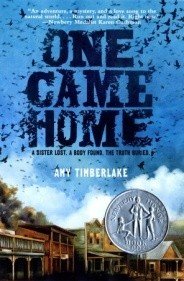
by Amy Timberlake
Middle grade · ages 9–12 · grades 4–7 · 780L
A deaf protagonist on a legitimate frontier adventure—not a problem-to-solve story, but a capable girl pursuing a mystery through 1870s Wisconsin with intelligence and grit that redefines what 'deaf' means in her world.
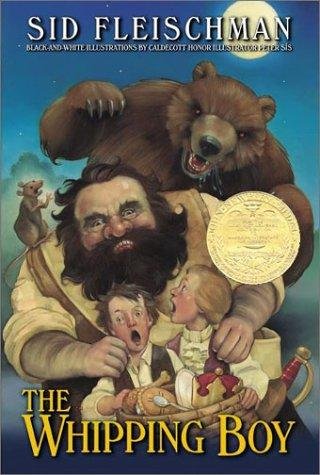
by Sid Fleischman
Middle grade · ages 10–14 · grades 5–9 · 760L
A Newbery winner that actually earns it—fast-paced adventure paired with genuine character transformation; kids reread it and notice more about class and friendship each time.
Stretch them up
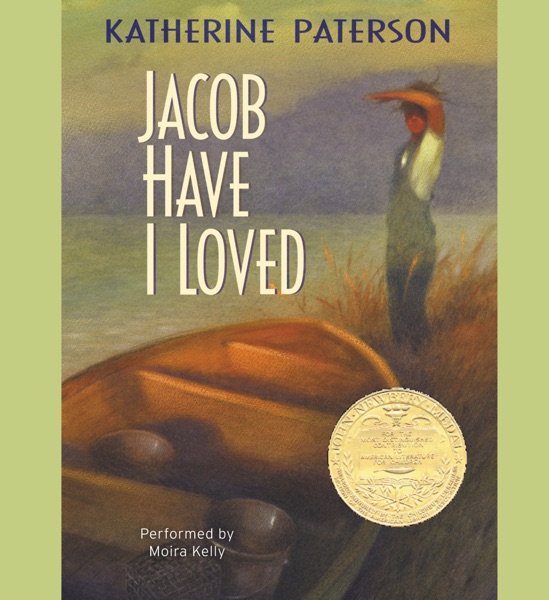
by Katherine Paterson
Middle grade · ages 10–14 · grades 5–9 · 820L
A Newbery winner that actually deserves it—Paterson writes sibling resentment and reconciliation with such honesty that kids recognize their own families, and the 1941 Chesapeake setting carries real historical weight without preaching.
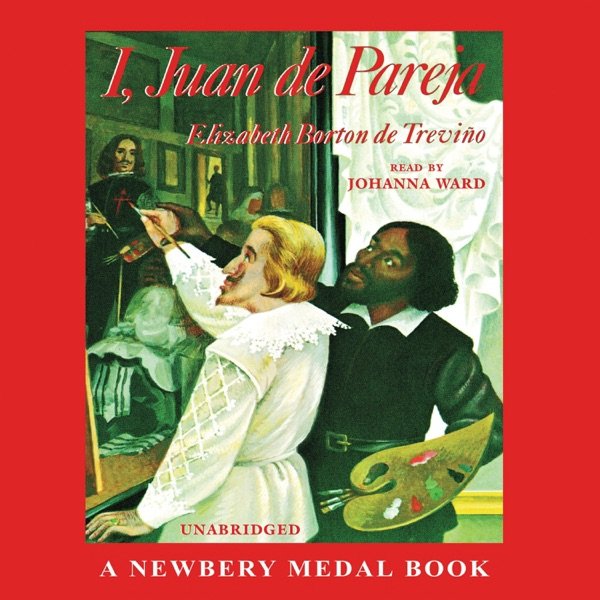
by Elizabeth Borton de Treviño
Middle grade · ages 10–14 · grades 5–9 · 820L
A Newbery winner that doesn't condescend—serious, historically grounded, and genuinely about how one person's refusal to accept powerlessness can remake a life; the prose is elegant and the emotional core is real.
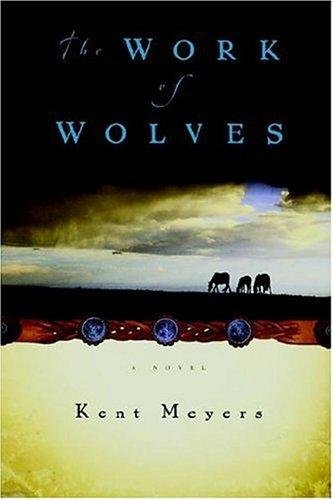
by Kent Meyers
Middle grade · ages 10–14 · grades 5–9 · 780L
Quiet, grounded coming-of-age where a Nebraska kid learns to trust observation over inherited fear—Meyers' prose is deliberate and the wolf ecology is genuinely taught, not romanticized.
Complementing on a good life
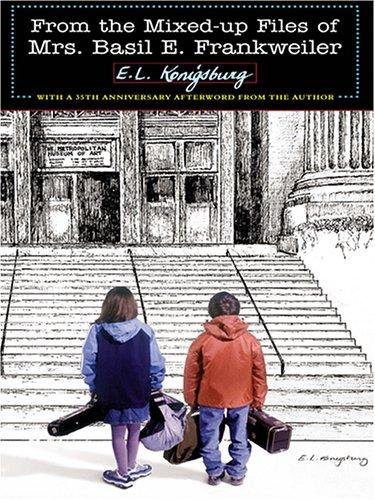
by E. L. Konigsburg
Middle grade · ages 8–12 · grades 3–7 · 790L
A book that trusts kids to be intellectually bored and emotionally complex—Claudia's runaway isn't melodrama, it's a quiet reckoning with identity that lands harder on rereads.
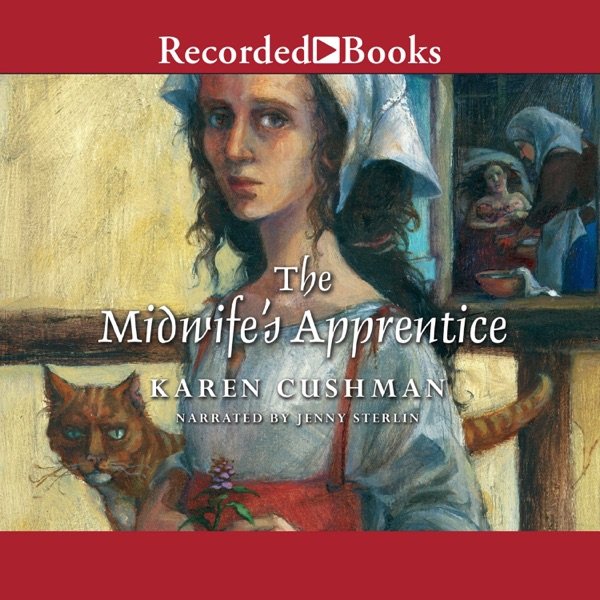
by Karen Cushman
Middle grade · ages 10–14 · grades 5–9 · 780L
A Newbery winner that earns it: a girl with no name becomes herself through honest work and adult recognition; the medieval setting and childbirth apprenticeship feel urgent and real, not decorative.
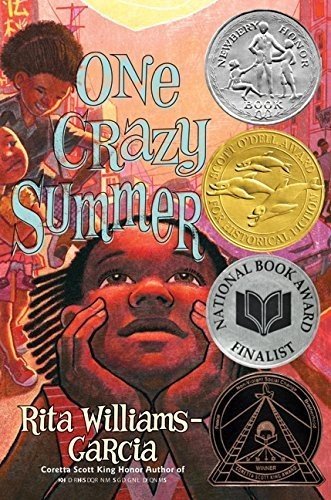
by Rita Williams-Garcia
Middle grade · ages 8–12 · grades 3–7 · 750L
A richly layered book about sisterhood, identity, and reckoning with parental complexity that treats kids' emotional intelligence seriously—the ending doesn't tidy up, which is exactly why it stays with them.
We'd skip — for now
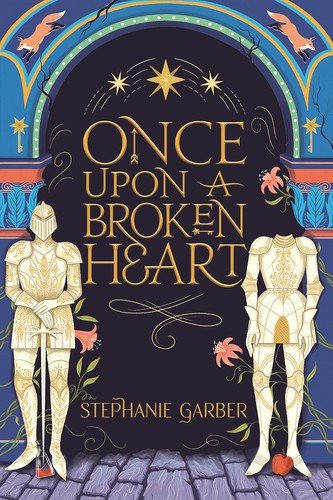
by Stephanie Garber
A step up — ages 12–16 · grades 7–11
Skip it if your teen reader is not yet interested in romantic tension as a plot driver, or if they've outgrown fairytale retellings.
