For a reader who just finished
Books like The Corn Grows Ripe
after The Corn Grows Ripe by Dorothy Rhoads · ages 8–12
Same style
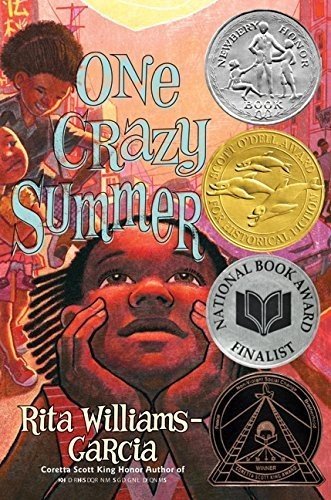
by Rita Williams-Garcia
Middle grade · ages 8–12 · grades 3–7 · 750L
A richly layered book about sisterhood, identity, and reckoning with parental complexity that treats kids' emotional intelligence seriously—the ending doesn't tidy up, which is exactly why it stays with them.
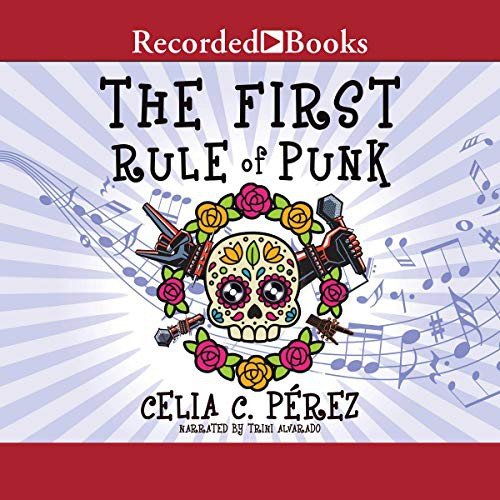
by Celia C. Perez
Middle grade · ages 8–12 · grades 3–7 · 720L
The rare middle-grade novel that treats cultural identity and artistic self-expression as equally serious — Malu's punk band and her Mexican-American family feel like the full complexity of growing up, not competing agendas.
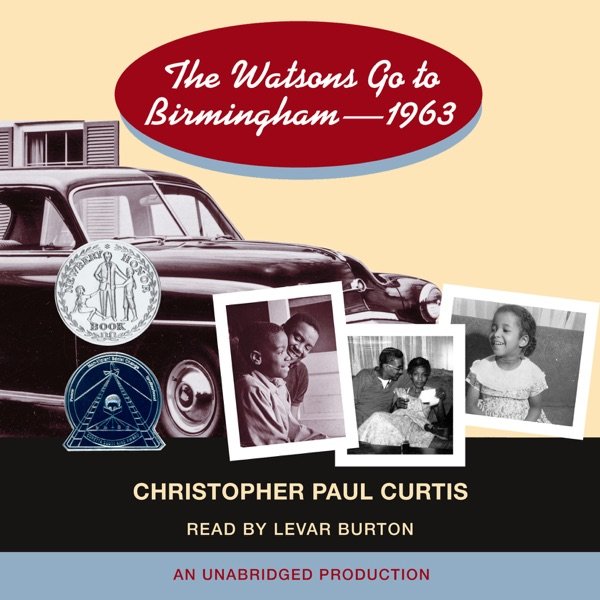
by Christopher Paul Curtis
Middle grade · ages 8–12 · grades 3–7 · 740L
A masterwork that treats kids with intelligence about race and history; the family warmth and humor make the tragedy land harder, and that's exactly right.
Stretch them up
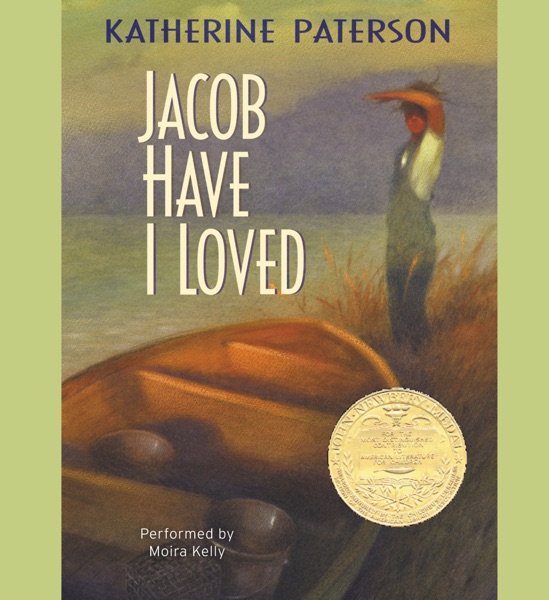
by Katherine Paterson
Middle grade · ages 10–14 · grades 5–9 · 820L
A Newbery winner that actually deserves it—Paterson writes sibling resentment and reconciliation with such honesty that kids recognize their own families, and the 1941 Chesapeake setting carries real historical weight without preaching.
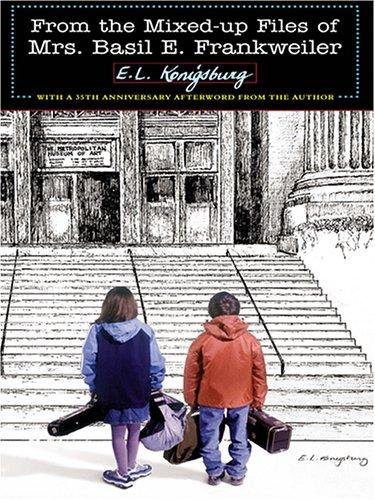
by E. L. Konigsburg
Middle grade · ages 8–12 · grades 3–7 · 790L
A book that trusts kids to be intellectually bored and emotionally complex—Claudia's runaway isn't melodrama, it's a quiet reckoning with identity that lands harder on rereads.
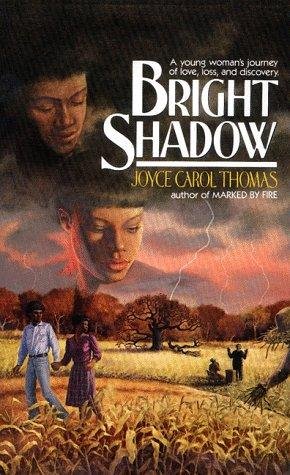
by Joyce Carol Thomas
Middle grade · ages 8–12 · grades 3–7 · 780L
A luminous, unflinching story about difference and belonging—Thomas's lyrical prose and Auri's quiet dignity make this a memorable introduction to how communities can choose love, and how a girl learns her own worth.
Complementing on a good life
by E. L. Konigsburg
Middle grade · ages 8–12 · grades 3–7 · 790L
A book that trusts kids to be intellectually bored and emotionally complex—Claudia's runaway isn't melodrama, it's a quiet reckoning with identity that lands harder on rereads.
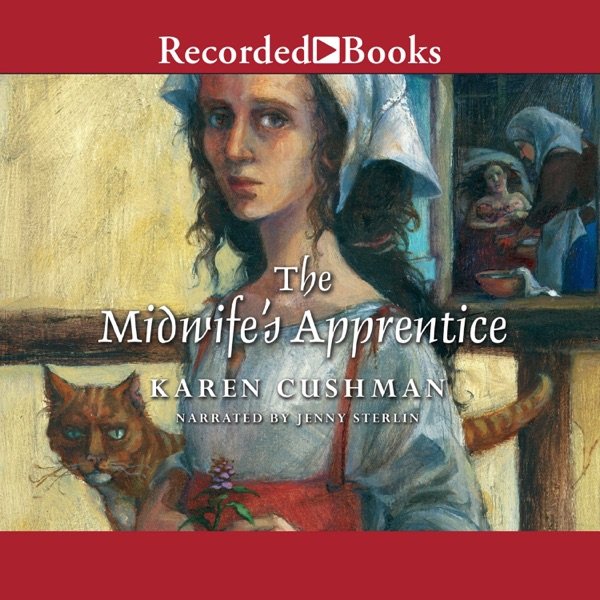
by Karen Cushman
Middle grade · ages 10–14 · grades 5–9 · 780L
A Newbery winner that earns it: a girl with no name becomes herself through honest work and adult recognition; the medieval setting and childbirth apprenticeship feel urgent and real, not decorative.
by Rita Williams-Garcia
Middle grade · ages 8–12 · grades 3–7 · 750L
A richly layered book about sisterhood, identity, and reckoning with parental complexity that treats kids' emotional intelligence seriously—the ending doesn't tidy up, which is exactly why it stays with them.
We'd skip — for now
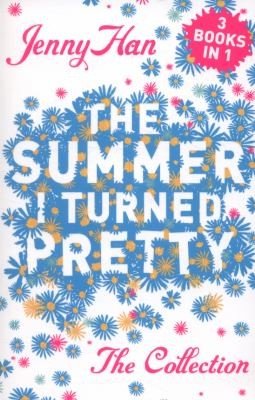
by Jenny Han
A step up — ages 14–18 · grades 9–12
Skip it if your teen is uncomfortable with on-page kissing, mild alcohol use at parties, or unresolved romantic tension spanning three books.
