For a reader who just finished
Books like The Amazing Maurice and His Educated Rodents
after The Amazing Maurice and His Educated Rodents by Terry Pratchett · ages 9–12
Same style
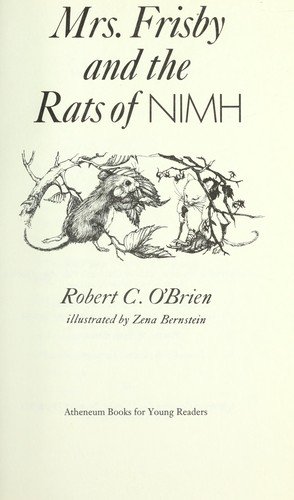
by Robert C. O'Brien
Middle grade · ages 8–12 · grades 3–7 · 780L
A genuinely intelligent adventure where the protagonist solves problems with her mind, not magic—the rats are neither evil nor saviors, and Mrs. Frisby's ordinary maternal courage is the entire book's engine.
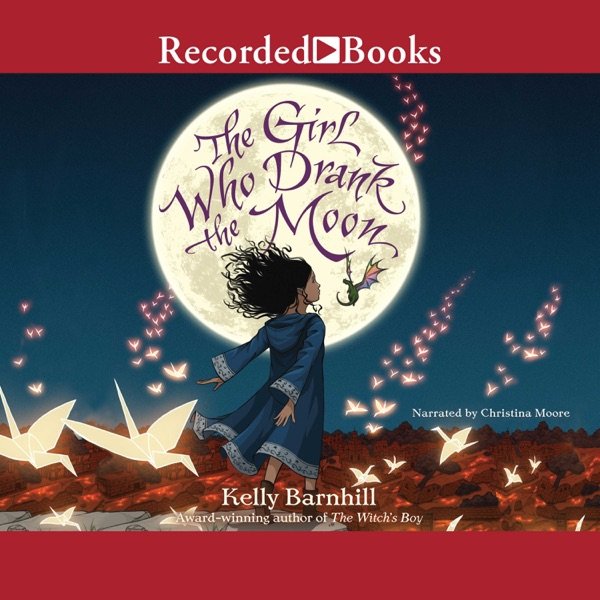
by Kelly Barnhill
Middle grade · ages 10–14 · grades 5–9 · 780L
A Newbery winner that earns it — lyrical prose, genuine emotional stakes, and a protagonist who chooses her own path rather than following a prophecy.
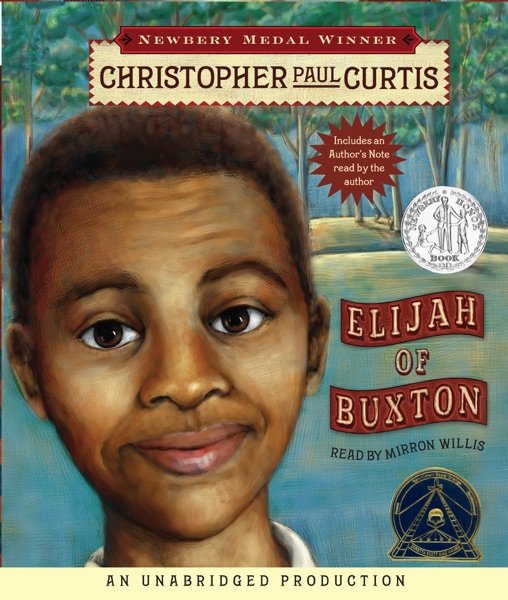
by Christopher Paul Curtis
Middle grade · ages 8–12 · grades 3–7 · 790L
Curtis writes child voice with such precision and warmth that kids don't notice they're learning 19th-century history and grappling with impossible moral choices—a rare book that earns its gravity without preaching.
Stretch them up
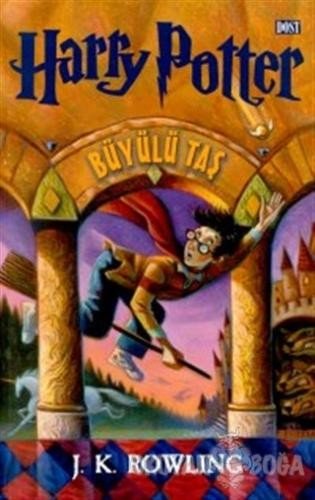
by J. K. Rowling
Middle grade · ages 9–12 · grades 4–7 · 880L
The book that redefined children's fiction — richly imagined world, genuine stakes, prose that respects young readers, and a protagonist's journey from isolation to belonging that doesn't feel saccharine.
by J. K. Rowling
Middle grade · ages 9–12 · grades 4–7 · 880L
The tonal and structural leap from books 1–2: darker, more layered, and the first book where the mystery is genuinely unsolvable until the final reveal — kids feel genuinely unmoored, which is precisely the point.
by Lewis Carroll
Middle grade · ages 10–14 · grades 5–9 · 1050L
Carroll's most structurally ambitious work and genuinely strange—the dual-timeline narrative and philosophical digressions demand real attention, but kids who love language puzzles and moral fables will find it rewarding.
Complementing on kindness
by Katherine Paterson
Middle grade · ages 10–14 · grades 5–9 · 820L
A Newbery winner that actually deserves it—Paterson writes sibling resentment and reconciliation with such honesty that kids recognize their own families, and the 1941 Chesapeake setting carries real historical weight without preaching.
by Richard Peck
Middle grade · ages 10–14 · grades 5–9 · 780L
A Depression-era gem that feels lived-in and funny—Grandma Dowdy is one of children's literature's most memorable adults, and the year-long structure lets Richard Peck build genuine affection for rural Illinois.
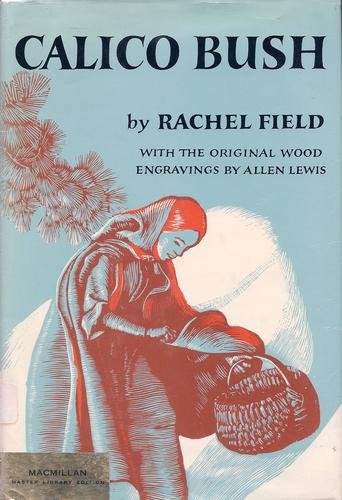
by Rachel Field
Middle grade · ages 10–14 · grades 5–9 · 820L
A Newbery winner that deserves recovery—rich, unsentimental historical fiction about a girl learning to belong after loss, with prose that holds up and a frontier that feels real, not romanticized.
We'd skip — for now
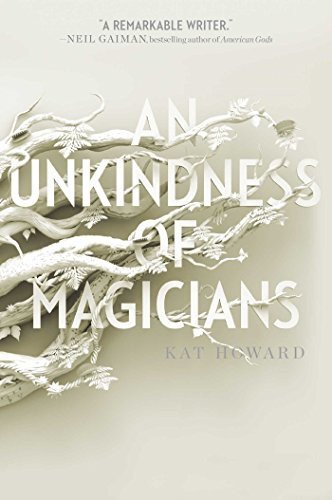
by Kat Howard
A step up — ages 13–18 · grades 8–12
Skip it if your teen hasn't yet encountered a book where a character dies on-page or has been unsettled by closed-off, cliquish social hierarchies—the exclusionary magician society is oppressive by design.
