For a reader who just finished
Books like Skellig
after Skellig by David Almond · ages 10–14
Same style
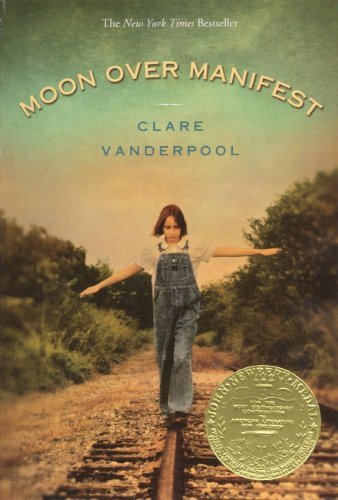
by Clare Vanderpool
Middle grade · ages 10–14 · grades 5–9 · 820L
A Newbery winner that earns it — layers of history, mystery, and emotional depth without preaching; kids feel like they're solving something real alongside the protagonist.
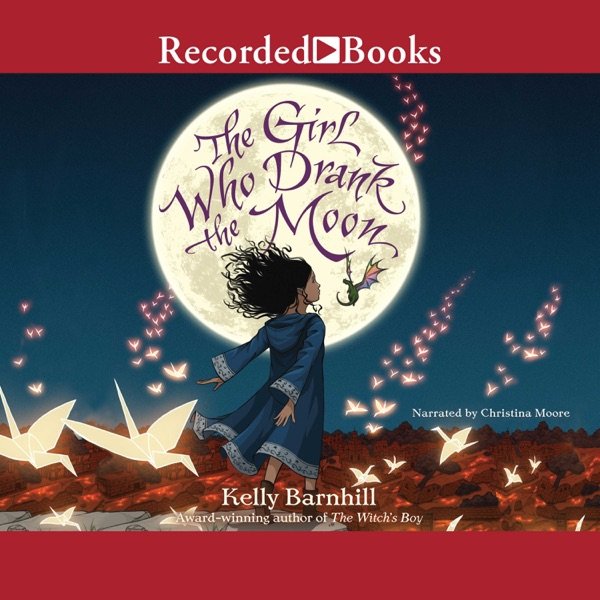
by Kelly Barnhill
Middle grade · ages 10–14 · grades 5–9 · 780L
A Newbery winner that earns it — lyrical prose, genuine emotional stakes, and a protagonist who chooses her own path rather than following a prophecy.
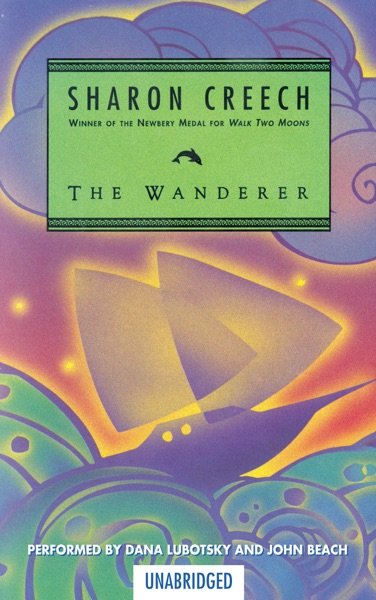
by Sharon Creech
Middle grade · ages 10–14 · grades 5–9 · 730L
A genuinely literary middle-grade novel—the multi-perspective structure mirrors the emotional work of understanding yourself through others' eyes, and kids reread it as they grow.
Stretch them up
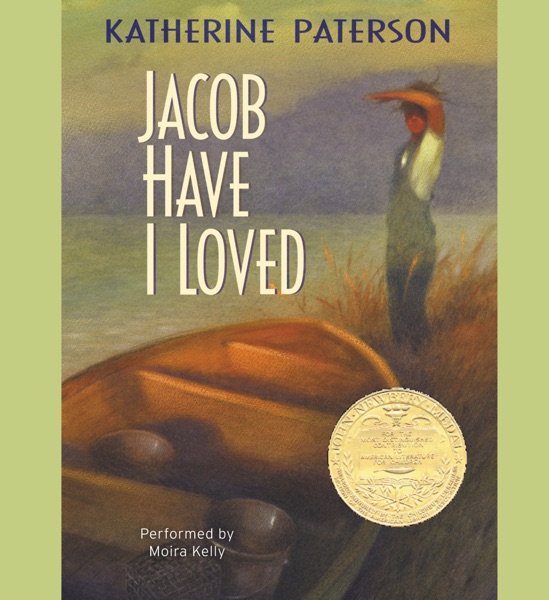
by Katherine Paterson
Middle grade · ages 10–14 · grades 5–9 · 820L
A Newbery winner that actually deserves it—Paterson writes sibling resentment and reconciliation with such honesty that kids recognize their own families, and the 1941 Chesapeake setting carries real historical weight without preaching.
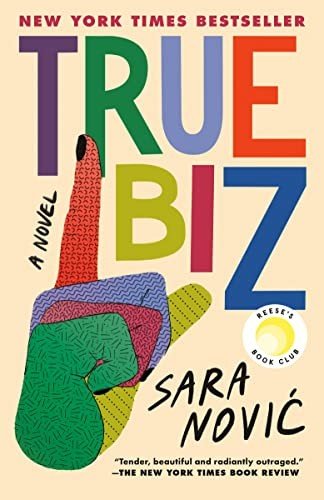
by Sara Nović
Middle grade · ages 10–14 · grades 5–9 · 820L
A genuinely original YA-crossover novel that treats Deaf culture as protagonist, not obstacle—kids learn to think in sign while wrestling with identity questions that feel urgent, not didactic.
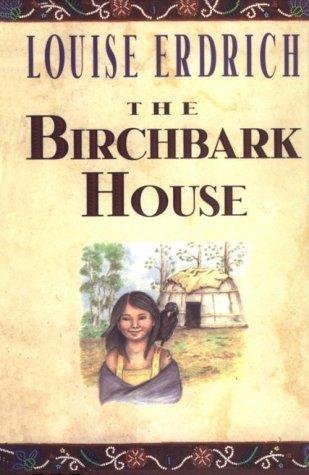
by Louise Erdrich
Middle grade · ages 8–12 · grades 3–7 · 820L
Erdrich's portrait of Omakayas and her family is unsentimental and alive—the smallpox arc is genuinely tragic, the cultural detail is precise, and a child reader walks away understanding Ojibwe life as rich and coherent, not distant or exotic.
Complementing on kindness
by Katherine Paterson
Middle grade · ages 10–14 · grades 5–9 · 820L
A Newbery winner that actually deserves it—Paterson writes sibling resentment and reconciliation with such honesty that kids recognize their own families, and the 1941 Chesapeake setting carries real historical weight without preaching.
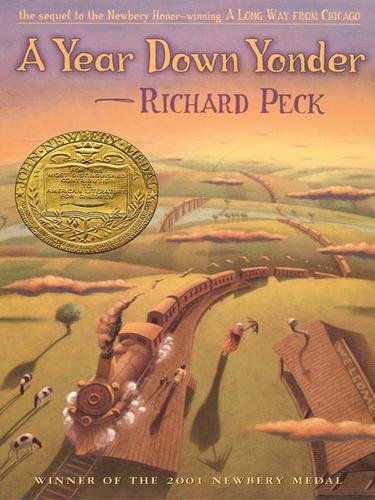
by Richard Peck
Middle grade · ages 10–14 · grades 5–9 · 780L
A Depression-era gem that feels lived-in and funny—Grandma Dowdy is one of children's literature's most memorable adults, and the year-long structure lets Richard Peck build genuine affection for rural Illinois.
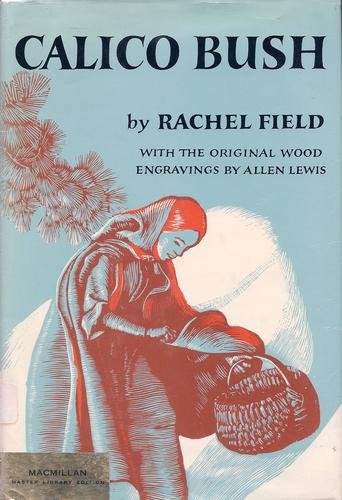
by Rachel Field
Middle grade · ages 10–14 · grades 5–9 · 820L
A Newbery winner that deserves recovery—rich, unsentimental historical fiction about a girl learning to belong after loss, with prose that holds up and a frontier that feels real, not romanticized.
We'd skip — for now
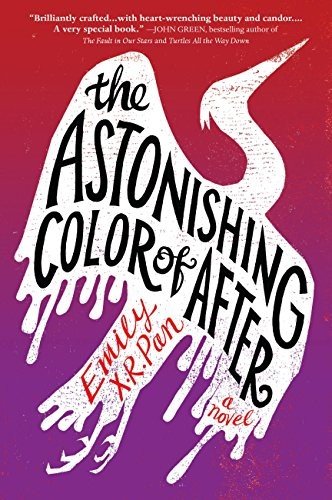
by Emily X.R. Pan
A step up — ages 14–18 · grades 9–12
Skip it if your family is actively grieving a suicide or if your teen hasn't developed emotional vocabulary for depression and suicidal ideation—this book demands and rewards that maturity, but it's not a light read.
