
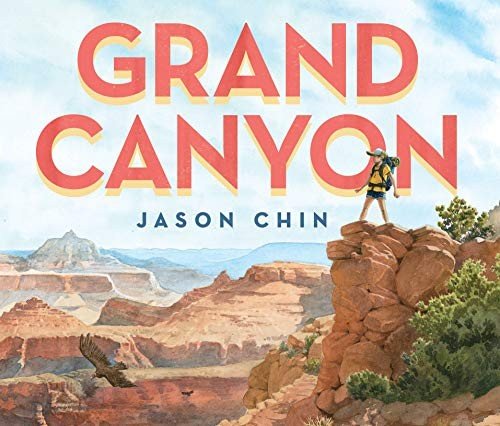
Grand Canyon
by Jason Chin
Picture book · ages 5–9 · grades K–4 · 620L
A picture book that treats deep time and geological process with poetic clarity; Chin's cutaway illustrations make 1.8 billion years visceral and navigable for a 6-year-old.
For a reader who just finished
after Seeing in the Dark: How Backyard Stargazers Are Probing Deep Space and Guarding Earth from Interplanetary Peril by Timothy Ferris
Same style
by Jason Chin
Picture book · ages 5–9 · grades K–4 · 620L
A picture book that treats deep time and geological process with poetic clarity; Chin's cutaway illustrations make 1.8 billion years visceral and navigable for a 6-year-old.
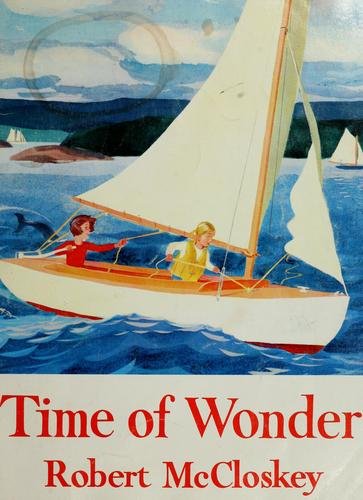
by Robert McCloskey
Picture book · ages 4–8 · grades K–3
McCloskey's most lyrical book — the illustrations *are* the narrative, and the poetic text models how to notice the small miracles of a place; worth returning to across childhood.
by Matt Simon
Nonfiction · ages 8–12 · grades 3–7 · 780L
The funniest animal-science book for this age—Simon's deadpan voice makes parasitism and manipulation genuinely thrilling, and kids walk away actually understanding how coevolution works.
Complementing on observation evidence

by Jim Murphy
Nonfiction · ages 10–14 · grades 5–9 · 820L
Gripping, historically rigorous account that models how evidence overturns expert consensus—kids emerge understanding both the horror and the intellectual detective work of epidemiology.
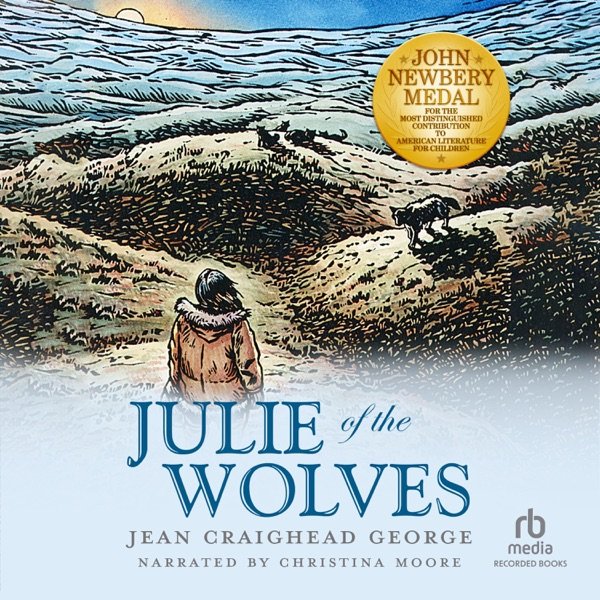
by Jean Craighead George
Middle grade · ages 10–14 · grades 5–9 · 760L
A Newbery-winning masterpiece that hasn't aged a day—Julie's survival story is genuinely gripping, and the quiet exploration of cultural identity and belonging lands without preaching.
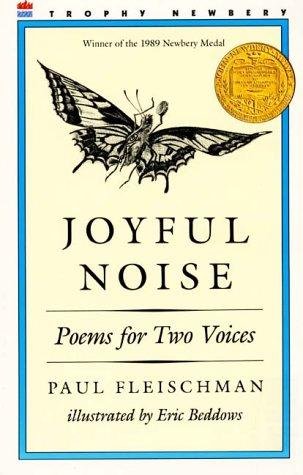
by Paul Fleischman
Verse novel · ages 8–12 · grades 3–7 · 620L
A Newbery Medal masterpiece that teaches kids how to listen to nature through the architecture of two-voice poetry — kids discover they can read these aloud *right now* with a friend and it immediately sounds like music.