For a reader who just finished
Books like Seashore Story
after Seashore Story by Taro Yashima · ages 4–8
Same style
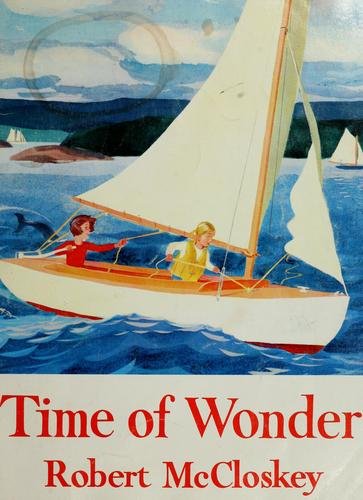
by Robert McCloskey
Picture book · ages 4–8 · grades K–3
McCloskey's most lyrical book — the illustrations *are* the narrative, and the poetic text models how to notice the small miracles of a place; worth returning to across childhood.
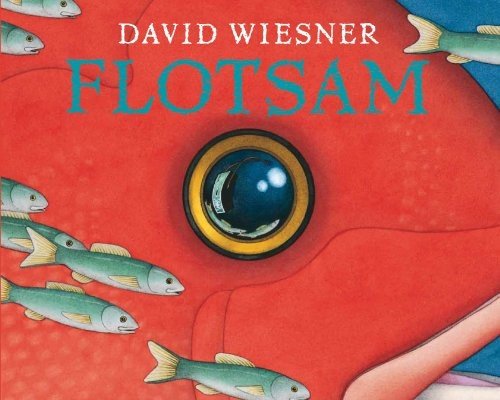
by David Wiesner
Picture book · ages 4–8 · grades K–3
A wordless masterpiece that teaches observation and sparks imagination without a single sentence—kids stare at the panels, construct their own theories, and beg to flip through it again.
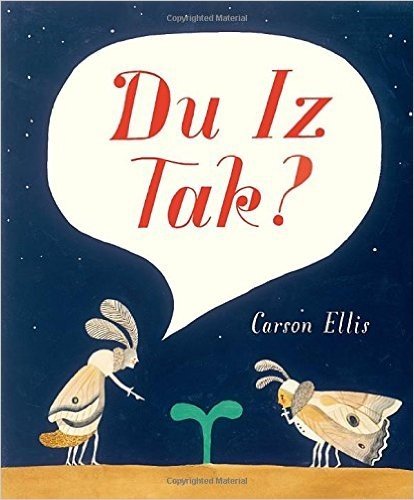
by Carson Ellis
Picture book · ages 3–7 · grades K–2
A nearly wordless masterpiece that trains the eye and invites endless speculation; kids return to it because there's always something new to notice, and parents fall in love with Carson Ellis's pen-and-ink world.
Stretch them up
no coverby The Stuff of Stars
Picture book · ages 4–8 · grades K–3 · 500L
A stunning meditation on Black identity, cosmic belonging, and the stuff of stars — Holmes's collage art is as much the story as the lyrical text, and it lands as both emotional and genuinely educational.
by Gordon C. James
Picture book · ages 4–8 · grades K–3 · 500L
A radiant celebration of Black barbershop culture that gives kids language for pride, ritual, and identity without a hint of didacticism—the illustrations do the heavy lifting.
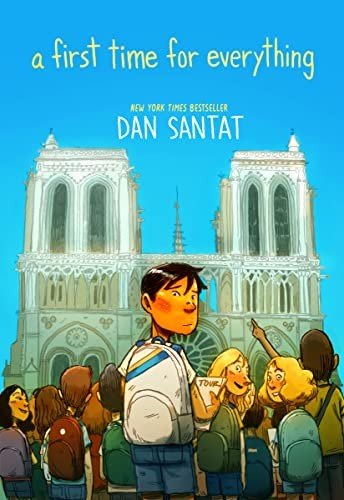
by Dan Santat
Picture book · ages 4–8 · grades K–3 · 500L
Santat's warmest work — a validation for shy kids that doing things scared is normal, and that friendship makes it easier; read-aloud gold for ages 5–7.
Complementing on observation evidence
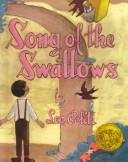
by Leo Politi
Picture book · ages 4–8 · grades K–3 · 620L
A 1946 Newbery winner that holds up: lyrical, culturally grounded, and teaches patient observation without preaching—the swallows are a genuine draw, not a metaphor.
by David Wiesner
Picture book · ages 4–8 · grades K–3
A wordless masterpiece that teaches observation and sparks imagination without a single sentence—kids stare at the panels, construct their own theories, and beg to flip through it again.
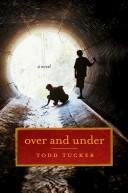
by Todd Tucker
Picture book · ages 4–8 · grades K–3 · 600L
A quiet masterpiece that teaches observation without a word of didacticism—kids naturally want to lift the flaps and peek, building real naturalist instincts.
We'd skip — for now
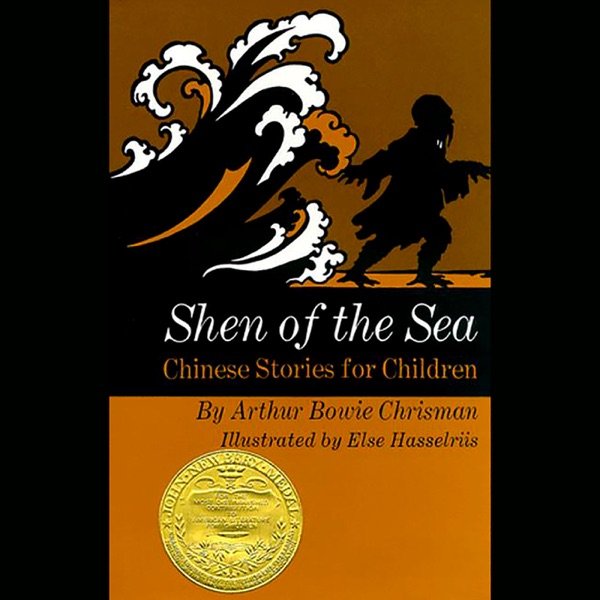
by Arthur Bowie Chrisman
A step up — ages 8–12 · grades 3–7
Skip it if your child prefers plot-driven contemporary stories over folkloric mood pieces—these are lyrical and episodic, not propulsive.
