For a reader who just finished
Books like Ryan Higa's How to Write Good
after Ryan Higa's How to Write Good by Ryan Higa · ages 10–16
Same style

by Jim Murphy
Nonfiction · ages 10–14 · grades 5–9 · 820L
Gripping, historically rigorous account that models how evidence overturns expert consensus—kids emerge understanding both the horror and the intellectual detective work of epidemiology.
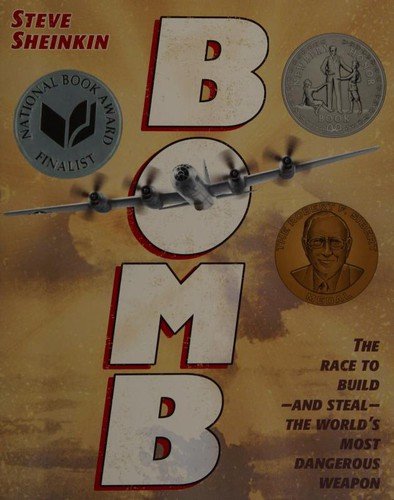
by Steve Sheinkin
Nonfiction · ages 10–14 · grades 5–9 · 820L
A genuine page-turner that makes nuclear physics and WWII espionage accessible to smart 11-year-olds without dumbing down the science or the moral complexity.
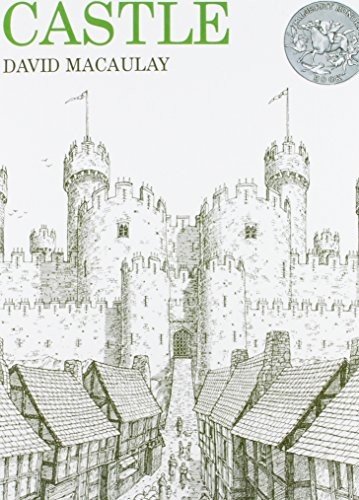
by David Macaulay
Nonfiction · ages 8–12 · grades 3–7 · 720L
Macaulay's masterpiece — architectural history made visceral through illustration and narrative; kids who engage deeply will ask real questions about how things are built.
Complementing on creativity making
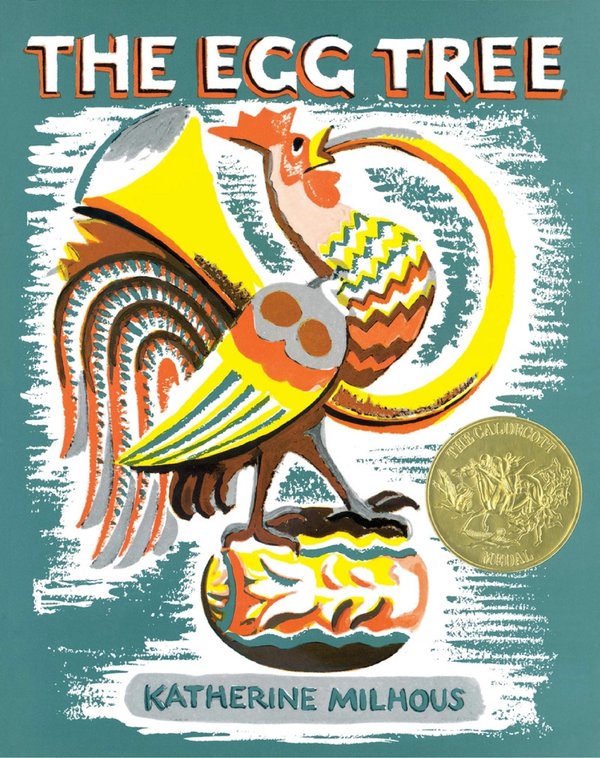
by Katherine Milhous
Picture book · ages 4–8 · grades K–3 · 620L
A quiet, genuinely lovely Easter book that treats Pennsylvania Dutch folk art with respect rather than nostalgia—kids are drawn into the egg-decorating process and emerge wanting to make their own.
by Kevin Noble Maillard
Picture book · ages 5–8 · grades K–3 · 560L
A radiant celebration of Mexican-American identity and creative expression—the illustrations by Juana Martinez-Neal are themselves the heart of the book, and the story honors art-making as an act of community care.
by Kevin Noble Maillard
Picture book · ages 5–8 · grades K–3 · 560L
A radiant celebration of Mexican-American identity and creative expression—the illustrations by Juana Martinez-Neal are themselves the heart of the book, and the story honors art-making as an act of community care.
We'd skip — for now
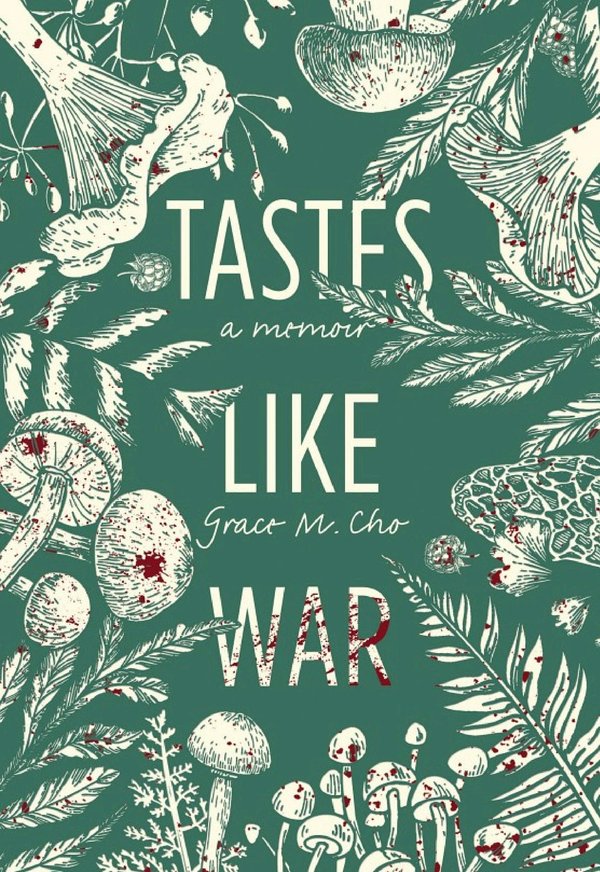
by Grace M. Cho
A step up — ages 16–18 · grades 11–12
Skip it if your teen isn't ready for sustained accounts of domestic violence, parental trauma, or the emotional fallout of inherited war; this is unflinching about the author's mother's abusiveness and its roots.
