For a reader who just finished
Books like Rotkäppchen
after Rotkäppchen by Charles Perrault · ages 4–8
Same style
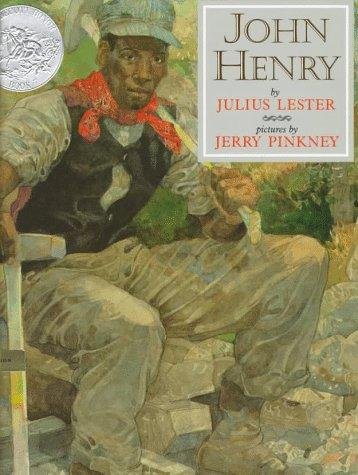
by Jerry Pinkney
Picture book · ages 4–8 · grades K–3
Pinkney's watercolors transform the folk ballad into a visually luminous, emotionally serious meditation on dignity and human worth—the kind of picture book that deepens with rereading and holds up for adult readers.

by Carole Boston Weatherford
Picture book · ages 6–10 · grades 1–5 · 780L
Weatherford's verse and Jamila Rowser's painterly illustrations make Schomburg's archival mission feel urgent and beautiful—kids understand he built something essential, not just collected things.
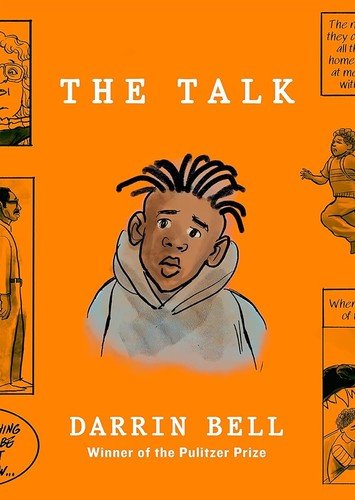
by Darrin Bell
Picture book · ages 6–10 · grades 1–5 · 550L
A picture book that trusts kids to grapple with real harm and real responses—illustrated with warmth and specificity, not abstraction or sugarcoating.
Stretch them up
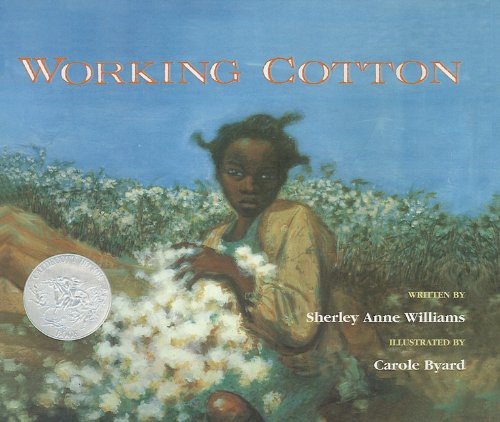
by Carole Byard
Picture book · ages 6–10 · grades 1–5 · 620L
Unflinching, lyrical, and told in the protagonist's own voice — this is the rare picture book that doesn't sentimentalize poverty but doesn't rob children of it either, and Carole Byard's collage art is extraordinary.
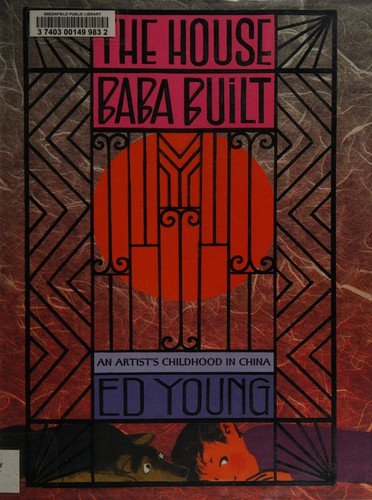
by Ed Young
Picture book · ages 4–8 · grades K–3 · 620L
A lyrical, elegantly illustrated memoir for young readers that treats childhood displacement and cultural identity with literary depth without condescension—the collage-style art is as much the story as the words.
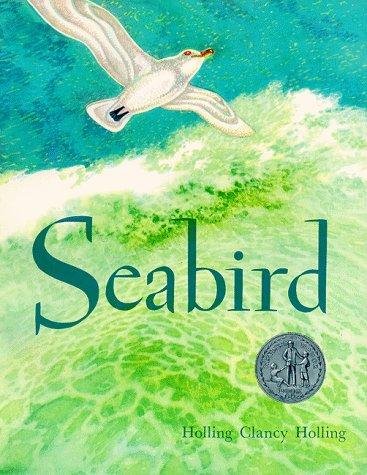
by Holling C. Holling
Picture book · ages 6–10 · grades 1–5 · 620L
A masterpiece of patient observation disguised as a picture book—the illustrations reward close, repeated looking and the text respects a child's intelligence without talking down.
Complementing on consent and boundaries
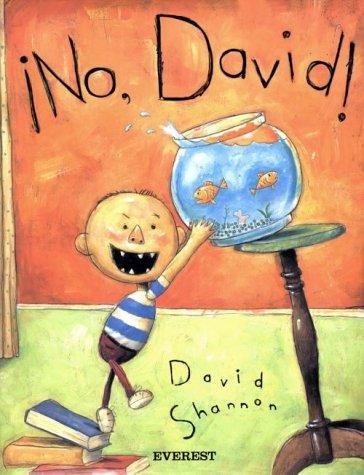
by David Shannon
Picture book · ages 2–5 · grade K
The gold-standard boundary-setting picture book—kids recognize themselves, parents get validation that this chaos is universal, and the refrain 'No, David!' feels like play rather than scolding.
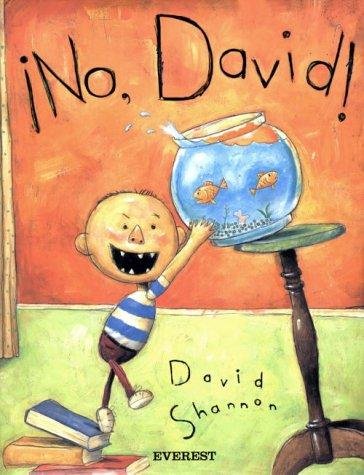
by David Shannon
Picture book · ages 2–5 · grade K
The gold-standard boundary-setting picture book—kids recognize themselves, parents get validation that this chaos is universal, and the refrain 'No, David!' feels like play rather than scolding.
by Sheryl Azzam
Picture book · ages 4–8 · grades K–3 · 320L
The most genuinely useful early-boundary book in print—concrete enough for 5-year-olds to grasp, memorable metaphors, and it actually shows kids how to speak up.
We'd skip — for now
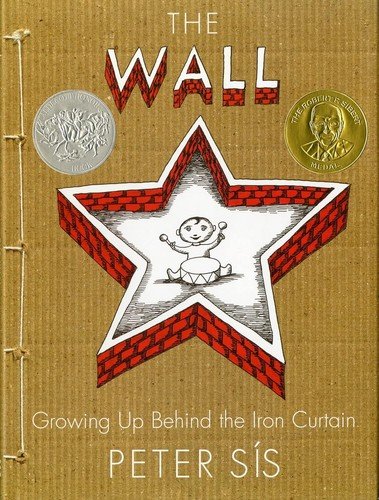
by Peter Sís
A step up — ages 8–12 · grades 3–7
Skip it if your child becomes distressed by stories of political oppression or constraint — the wall itself and the author's circumscribed freedoms are emotionally present throughout.
