For a reader who just finished
Books like Roller Girl
after Roller Girl by Victoria Jamieson · ages 8–12
Same style
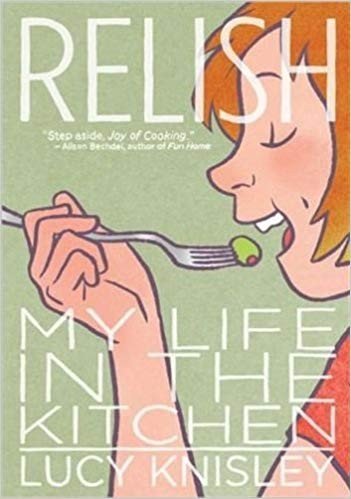
by Lucy Knisley
Graphic novel · ages 8–12 · grades 3–7 · 620L
A graphic memoir that proves picture books aren't just for young kids — Lucy's illustrations are gorgeous and the arc from finicky child to confident creator is quietly moving, with food as the thread.
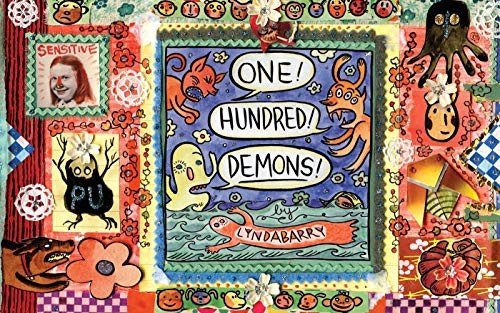
by Lynda Barry
Graphic novel · age 10+ · grade 5+ · 520L
A quiet masterpiece that teaches kids to pay attention to ordinary life and find meaning in it—the opposite of the climax-hungry narratives they're usually fed.
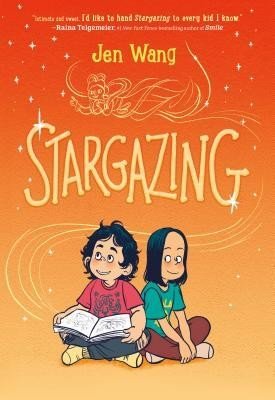
by Jen Wang
Graphic novel · ages 8–12 · grades 3–7 · 520L
Jen Wang's most emotionally intelligent book—a friendship story about two girls who don't look or live alike, told in full color with genuine tenderness and no sermonizing.
Stretch them up
by Lucy Knisley
Graphic novel · ages 8–12 · grades 3–7 · 620L
A graphic memoir that proves picture books aren't just for young kids — Lucy's illustrations are gorgeous and the arc from finicky child to confident creator is quietly moving, with food as the thread.
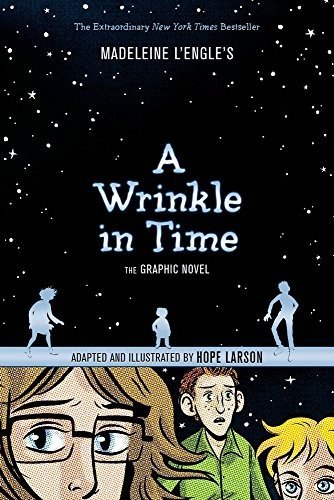
by Hope Larson
Graphic novel · ages 8–12 · grades 3–7 · 620L
Larson's adaptation captures the book's genuine strangeness and emotional core—Meg's self-doubt feels real, not patronizing, and the visuals make the tesseract concept click in a way prose alone doesn't.
Complementing on friendship
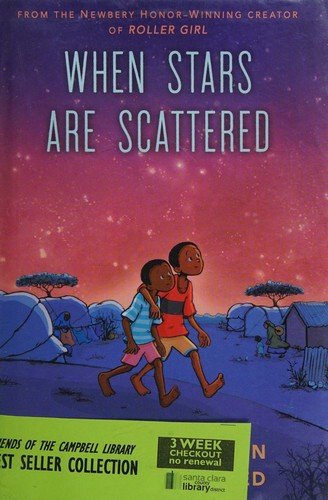
by Victoria Jamieson
Graphic novel · ages 10–14 · grades 5–9 · 520L
A luminous, unsentimental portrait of childhood in a refugee camp—the graphic format makes the boys' humanity and humor inseparable from their hardship.
by Middle School
Graphic novel · ages 8–12 · grades 3–7 · 420L
The graphic-novel adaptation nails what made the originals work — real friendship friction, resourceful kids building something, and a visual style that pulls younger readers in without sacrificing the emotional core.

by Andy Weir
Nonfiction · 1050L
A rare adult novel that works for smart middle-graders—witty, scientifically rigorous, and fundamentally about problem-solving and connection; the profanity and mild peril are worth it for kids hungry to see real thinking on the page.
We'd skip — for now
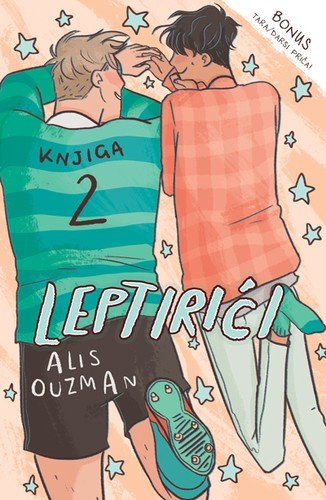
by Alice Oseman
A step up — ages 14–18 · grades 9–12
Skip it if your teen is not ready to discuss or see LGBTQ+ identity and relationships on page—this is explicitly about coming out and young gay romance, not subtext.
