For a reader who just finished
Books like Princess and the Pea
after Princess and the Pea by Hans Christian Andersen · ages 4–8
Same style
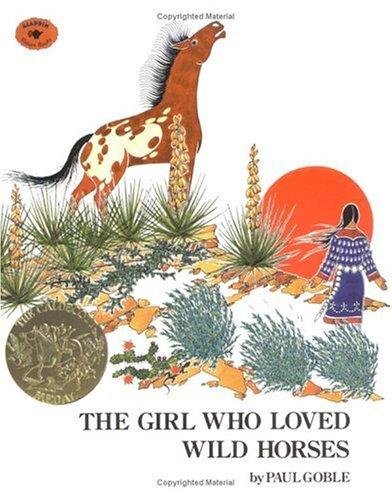
by Paul Goble
Picture book · ages 4–8 · grades K–3 · 620L
A lyrical, gorgeous introduction to Plains Indian life and a girl who chooses freedom over conformity — Goble's illustrations are stunning and the emotional arc is genuinely moving without being heavy-handed.
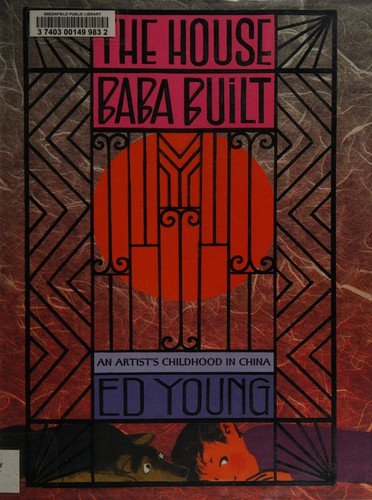
by Ed Young
Picture book · ages 4–8 · grades K–3 · 620L
A lyrical, elegantly illustrated memoir for young readers that treats childhood displacement and cultural identity with literary depth without condescension—the collage-style art is as much the story as the words.
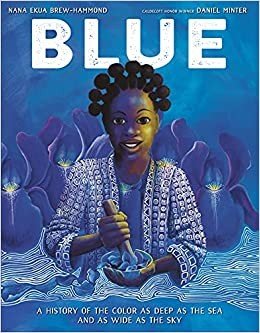
by Nana Ekua Brew-Hammond
Picture book · ages 4–8 · grades K–3 · 650L
A picture-book essay that treats a single color as a window into human ingenuity, trade, and art across continents — rare intellectual ambition for the age, paired with lush illustration that justifies every page.
Stretch them up
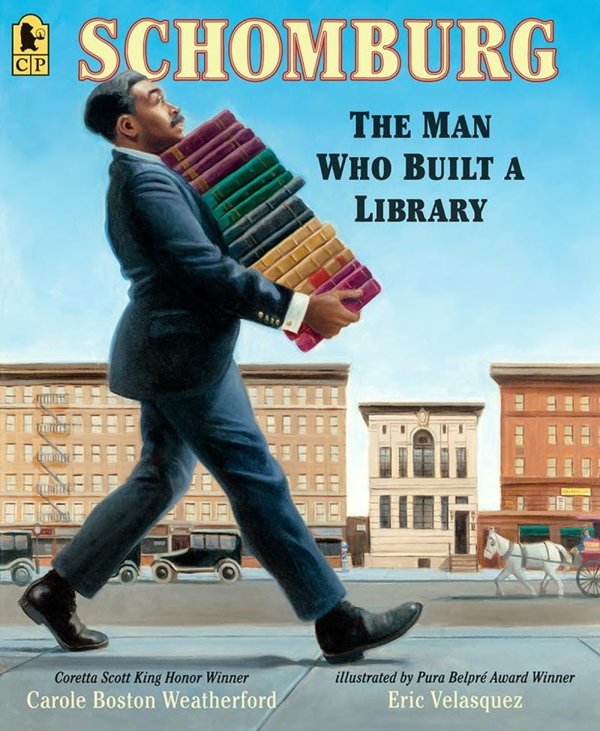
by Carole Boston Weatherford
Picture book · ages 6–10 · grades 1–5 · 780L
Weatherford's verse and Jamila Rowser's painterly illustrations make Schomburg's archival mission feel urgent and beautiful—kids understand he built something essential, not just collected things.
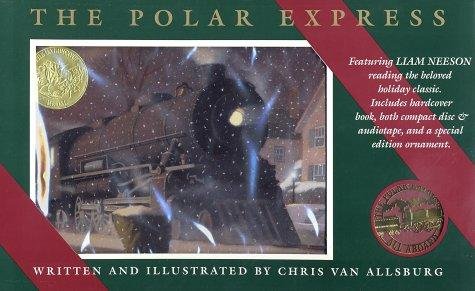
by Chris Van Allsburg
Picture book · ages 4–8 · grades K–3 · 740L
Van Allsburg's most enduring picture book — the prose is literary and the illustrations carry genuine atmosphere; read it aloud to catch the layered melancholy beneath the magic.
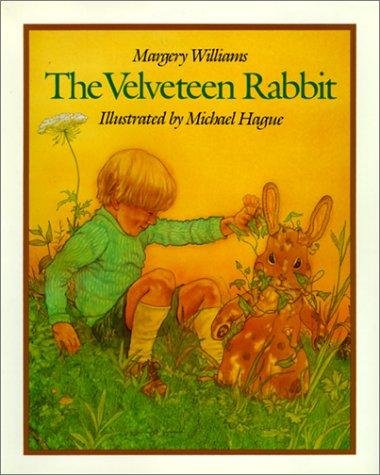
by Margery Williams Bianco
Picture book · ages 4–8 · grades K–3 · 750L
A quiet meditation on what makes something—or someone—real that lands as hard on kids as on adults; the prose is dense but the illustrations carry emotional weight that younger readers absorb without decoding every word.
Complementing on truth
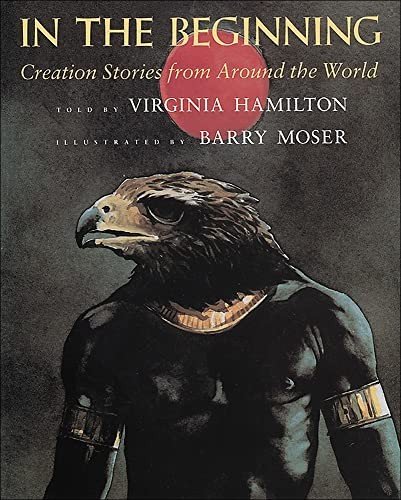
by Virginia Hamilton
Picture book · ages 5–9 · grades K–4 · 820L
Gorgeous, sophisticated, and genuinely restful — Hamilton's prose elevates world mythology without condescension, and Barry Moser's illustrations deepen the dreamlike authority of each story.
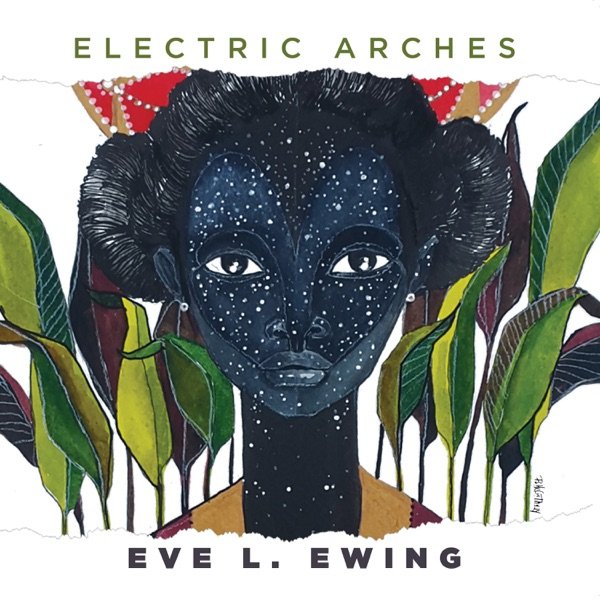
by Eve Ewing
Verse novel
A collection for young poets and teenagers grappling with race, place, and belonging; dense and unflinching about Chicago's history of segregation, gentrification, and resistance—not a gateway poetry book, but a necessary one.
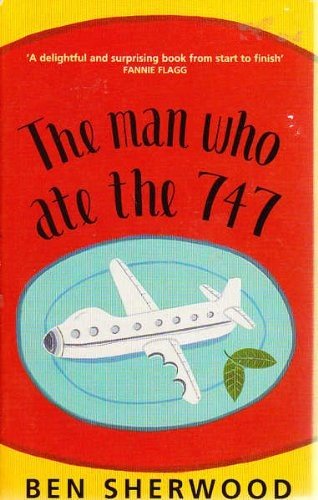
by Ben Sherwood
Nonfiction · 1050L
A clever, unsettling adult-crossover essay that teaches skepticism through a true story of a man who ate metal—ideal for older kids beginning to question media and narrative authority.
We'd skip — for now
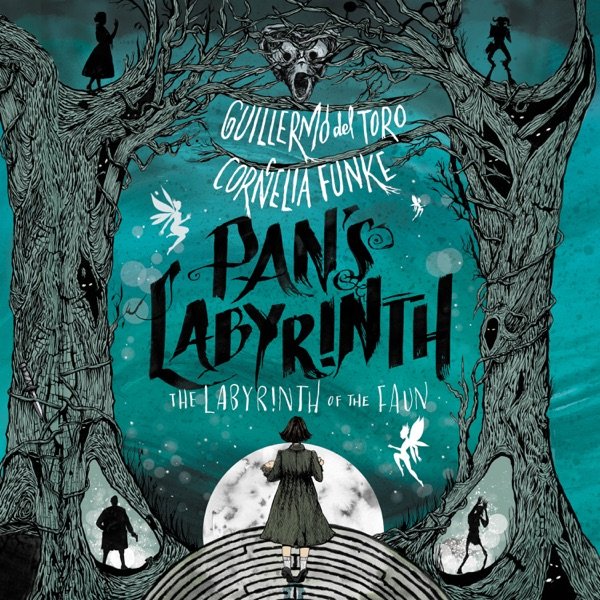
by Guillermo del Toro
A step up — ages 8–12 · grades 3–7
Skip it if your child has been distressed by wartime violence, death, or malevolent adults in authority — the stepfather is menacing and several scenes depict harm without resolution.
