
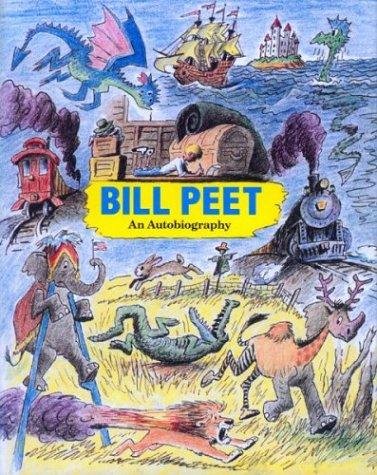
Bill Peet: An Autobiography
by Bill Peet
Picture book · ages 8–12 · grades 3–7 · 720L
A master illustrator's memoir told in his own voice and pictures—the perfect proof that a weird, art-obsessed kid grows into a life worth living.
For a reader who just finished
after Poetry for Young People: Langston Hughes by Benny Andrews · ages 8–12
Same style
by Bill Peet
Picture book · ages 8–12 · grades 3–7 · 720L
A master illustrator's memoir told in his own voice and pictures—the perfect proof that a weird, art-obsessed kid grows into a life worth living.
by James Berry
Nonfiction · ages 8–12 · grades 3–7 · 750L
A rare short-story collection that treats Caribbean childhood with unsentimental specificity—kids see real economic constraint and moral ambiguity, not exoticism.
by Carole Boston Weatherford
Picture book · ages 6–10 · grades 1–5 · 620L
Weatherford's lyrical verse and Ekua Holmes's luminous watercolors create a deeply rooted meditation on family legacy and belonging — reads like a picture-book poem and lands with quiet power.
Complementing on a good life
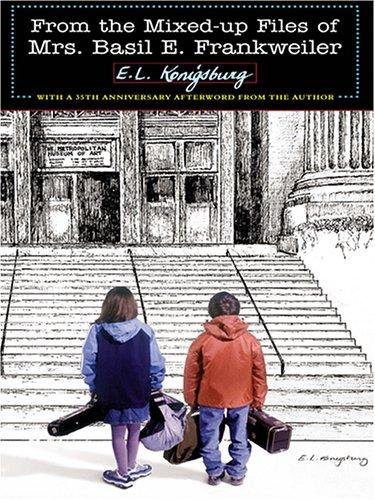
by E. L. Konigsburg
Middle grade · ages 8–12 · grades 3–7 · 790L
A book that trusts kids to be intellectually bored and emotionally complex—Claudia's runaway isn't melodrama, it's a quiet reckoning with identity that lands harder on rereads.
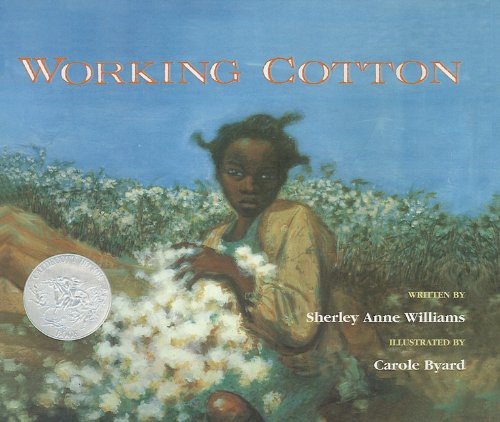
by Carole Byard
Picture book · ages 6–10 · grades 1–5 · 620L
Unflinching, lyrical, and told in the protagonist's own voice — this is the rare picture book that doesn't sentimentalize poverty but doesn't rob children of it either, and Carole Byard's collage art is extraordinary.
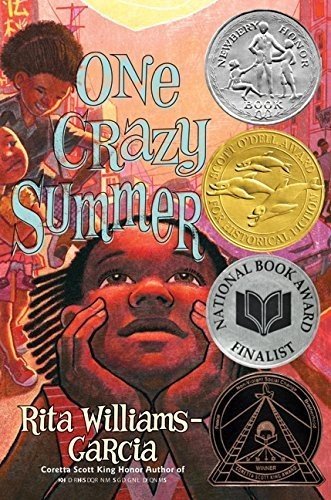
by Rita Williams-Garcia
Middle grade · ages 8–12 · grades 3–7 · 750L
A richly layered book about sisterhood, identity, and reckoning with parental complexity that treats kids' emotional intelligence seriously—the ending doesn't tidy up, which is exactly why it stays with them.
We'd skip — for now
by Cassandra Clare
A step up — ages 14–18 · grades 9–12
Skip it if your teen hasn't read at least one Shadowhunters novel yet; without that foundation, the Codex is reference material without narrative anchor.