
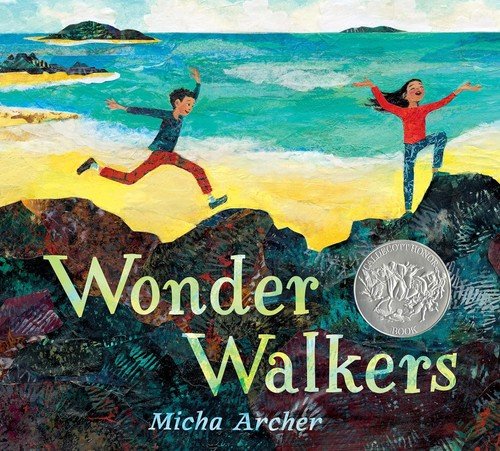
Wonder Walkers
by Micha Archer
Picture book · ages 4–8 · grades K–3 · 420L
A quiet, joyful celebration of noticing — the kind of book that trains kids to actually *see* the world and ask real questions instead of moving past it.
For a reader who just finished
after Phebe Fairchild: Her Book by Lois Lenski · ages 4–8
Same style
by Micha Archer
Picture book · ages 4–8 · grades K–3 · 420L
A quiet, joyful celebration of noticing — the kind of book that trains kids to actually *see* the world and ask real questions instead of moving past it.
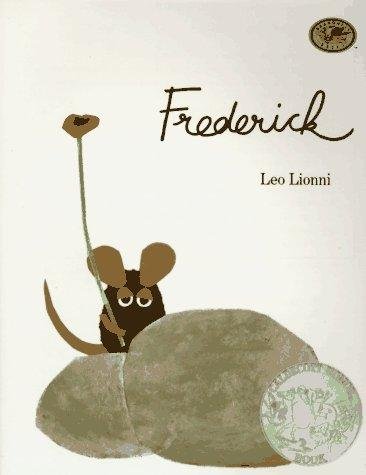
by Leo Lionni
Picture book · ages 4–8 · grades K–3 · 370L
A deceptively simple fable about the value of imagination and difference—every reread with a new kid lands differently because the story grows with them.
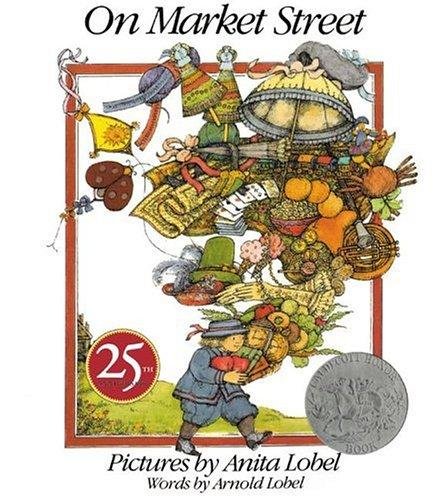
by Arnold Lobel
Picture book · ages 3–7 · grades K–2 · 500L
A deceptively clever alphabet romp disguised as a shopping trip—Lobel's collage art is a feast, and kids notice something new on every reread.
Stretch them up
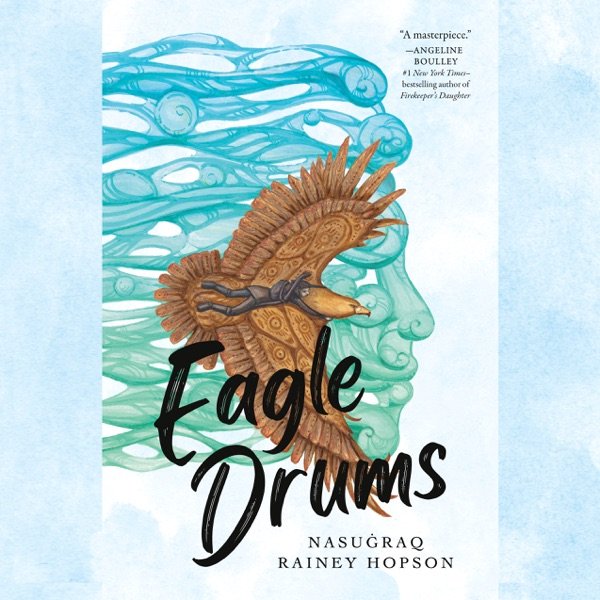
by Nasuġraq Rainey Hopson
Picture book · ages 4–8 · grades K–3 · 580L
A grounded, unsentimental introduction to Iñupiaq life and art-making that centers Indigenous voice and knowledge without performative cuteness—genuinely beautiful and necessary.
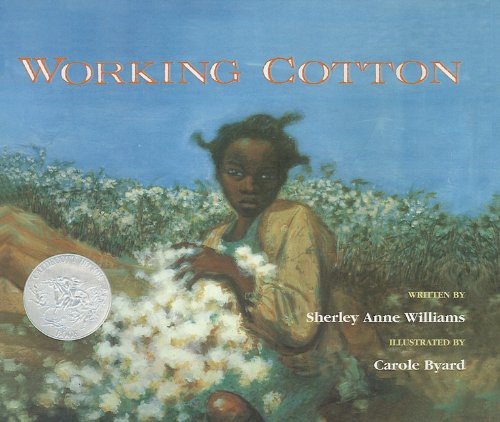
by Carole Byard
Picture book · ages 6–10 · grades 1–5 · 620L
Unflinching, lyrical, and told in the protagonist's own voice — this is the rare picture book that doesn't sentimentalize poverty but doesn't rob children of it either, and Carole Byard's collage art is extraordinary.
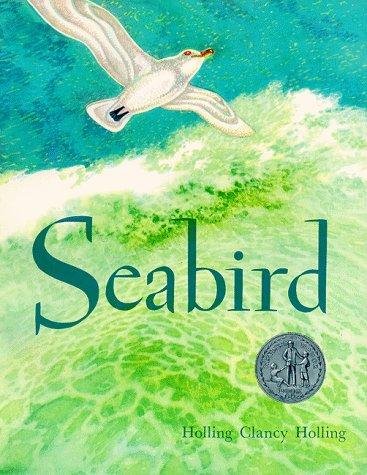
by Holling C. Holling
Picture book · ages 6–10 · grades 1–5 · 620L
A masterpiece of patient observation disguised as a picture book—the illustrations reward close, repeated looking and the text respects a child's intelligence without talking down.
Complementing on observation evidence
by Todd Tucker
Picture book · ages 4–8 · grades K–3 · 600L
A quiet masterpiece that teaches observation without a word of didacticism—kids naturally want to lift the flaps and peek, building real naturalist instincts.
by Leo Politi
Picture book · ages 4–8 · grades K–3 · 620L
A 1946 Newbery winner that holds up: lyrical, culturally grounded, and teaches patient observation without preaching—the swallows are a genuine draw, not a metaphor.
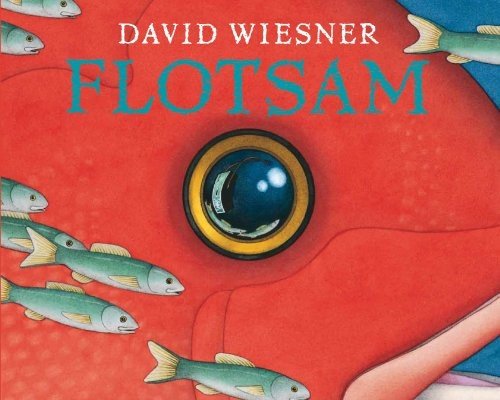
by David Wiesner
Picture book · ages 4–8 · grades K–3
A wordless masterpiece that teaches observation and sparks imagination without a single sentence—kids stare at the panels, construct their own theories, and beg to flip through it again.
We'd skip — for now
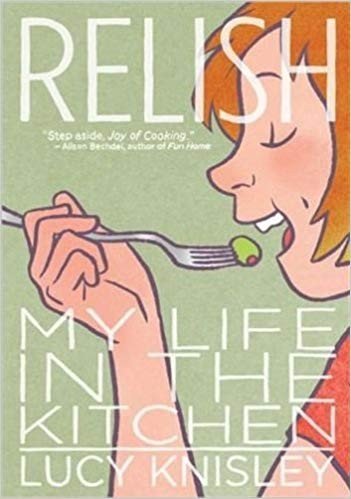
by Lucy Knisley
A step up — ages 8–12 · grades 3–7
Skip it if your child is very young or not yet reading chapter-length comics independently; the panels move fast and some spreads pack in visual detail that benefits from sustained focus.