
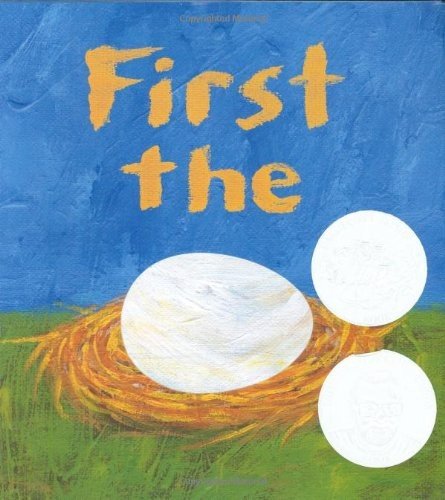
First the Egg
by Laura Vaccaro Seeger
Picture book · ages 2–5 · grade K
A nearly wordless picture book about transformation that preschoolers return to obsessively; the die-cut pages make the metamorphosis tactile and concrete.
For a reader who just finished
after Our Lake by Angie Kang · ages 4–8
Same style
by Laura Vaccaro Seeger
Picture book · ages 2–5 · grade K
A nearly wordless picture book about transformation that preschoolers return to obsessively; the die-cut pages make the metamorphosis tactile and concrete.
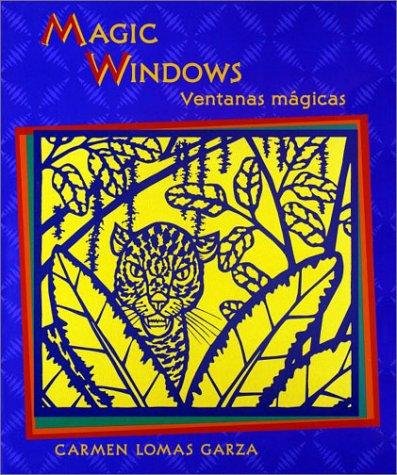
by Carmen Lomas Garza
Picture book · ages 4–8 · grades K–3
Lomas Garza's cut-paper illustrations are so vivid they feel tactile; this is a quiet, powerful book about Mexican American family life that lets children see themselves or learn generously about others' everyday magic.
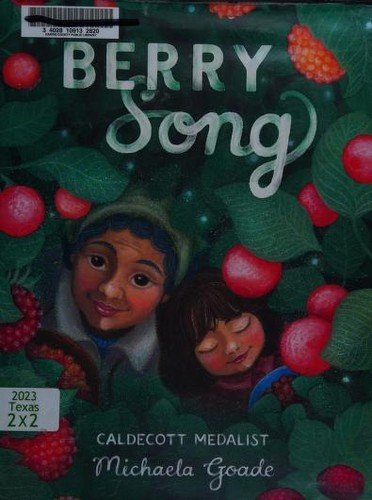
by Michaela Goade
Picture book · ages 3–7 · grades K–2
Michaela Goade's illustrations are so meticulously layered that kids will spend minutes on each page; the Caldecott Medal wasn't accidental—this is a rare picture book that teaches sustained looking.
Stretch them up
by The Stuff of Stars
Picture book · ages 4–8 · grades K–3 · 500L
A stunning meditation on Black identity, cosmic belonging, and the stuff of stars — Holmes's collage art is as much the story as the lyrical text, and it lands as both emotional and genuinely educational.
by Gordon C. James
Picture book · ages 4–8 · grades K–3 · 500L
A radiant celebration of Black barbershop culture that gives kids language for pride, ritual, and identity without a hint of didacticism—the illustrations do the heavy lifting.
by Sara Palacios
Picture book · ages 4–8 · grades K–3 · 520L
Rarely does a picture book nail identity and cultural pride this cleanly — Marisol's unapologetic mixing of traditions feels joyful, not defensive, and kids see themselves reflected without the book getting preachy.
Complementing on observation evidence
by Leo Politi
Picture book · ages 4–8 · grades K–3 · 620L
A 1946 Newbery winner that holds up: lyrical, culturally grounded, and teaches patient observation without preaching—the swallows are a genuine draw, not a metaphor.
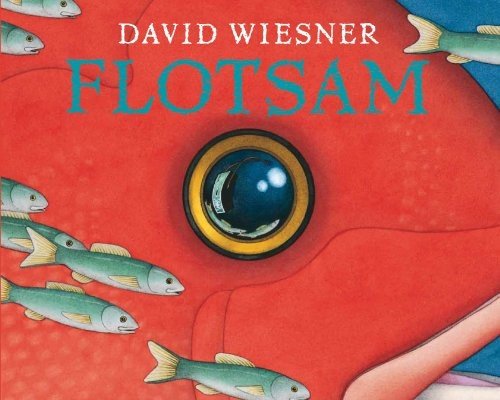
by David Wiesner
Picture book · ages 4–8 · grades K–3
A wordless masterpiece that teaches observation and sparks imagination without a single sentence—kids stare at the panels, construct their own theories, and beg to flip through it again.
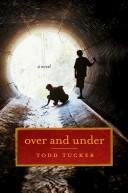
by Todd Tucker
Picture book · ages 4–8 · grades K–3 · 600L
A quiet masterpiece that teaches observation without a word of didacticism—kids naturally want to lift the flaps and peek, building real naturalist instincts.
We'd skip — for now
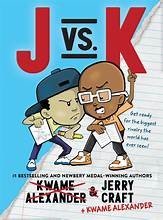
by Kwame Alexander and Jerry Craft
A step up — ages 8–12 · grades 3–7
Skip it if your child has been hurt by a close friendship breakup recently and isn't ready for that arc yet.