
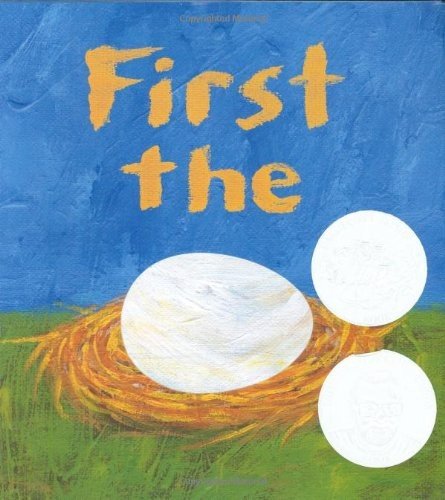
First the Egg
by Laura Vaccaro Seeger
Picture book · ages 2–5 · grade K
A nearly wordless picture book about transformation that preschoolers return to obsessively; the die-cut pages make the metamorphosis tactile and concrete.
For a reader who just finished
after One Bean by Anne F. Rockwell · ages 4–8
Same style
by Laura Vaccaro Seeger
Picture book · ages 2–5 · grade K
A nearly wordless picture book about transformation that preschoolers return to obsessively; the die-cut pages make the metamorphosis tactile and concrete.
by Jason Chin
Picture book · ages 4–8 · grades K–3 · 560L
A quiet, gorgeous picture book about a girl learning to see her immigrant parents' resourcefulness as strength rather than strangeness — the watercolor art and understated narrative let kids arrive at understanding on their own.
by Jason Chin
Picture book · ages 4–8 · grades K–3 · 560L
A quiet, gorgeous picture book about a girl learning to see her immigrant parents' resourcefulness as strength rather than strangeness — the watercolor art and understated narrative let kids arrive at understanding on their own.
Stretch them up
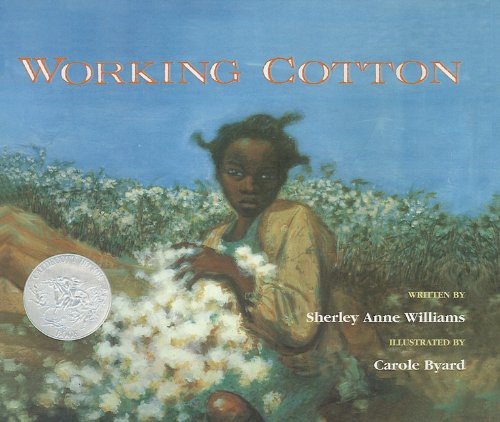
by Carole Byard
Picture book · ages 6–10 · grades 1–5 · 620L
Unflinching, lyrical, and told in the protagonist's own voice — this is the rare picture book that doesn't sentimentalize poverty but doesn't rob children of it either, and Carole Byard's collage art is extraordinary.
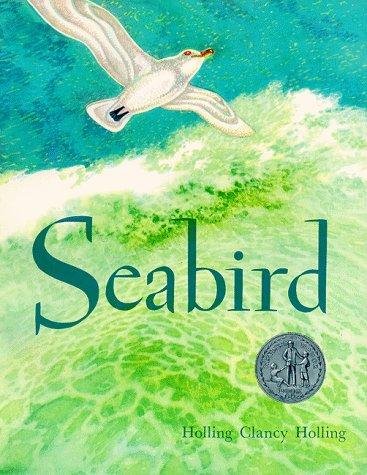
by Holling C. Holling
Picture book · ages 6–10 · grades 1–5 · 620L
A masterpiece of patient observation disguised as a picture book—the illustrations reward close, repeated looking and the text respects a child's intelligence without talking down.
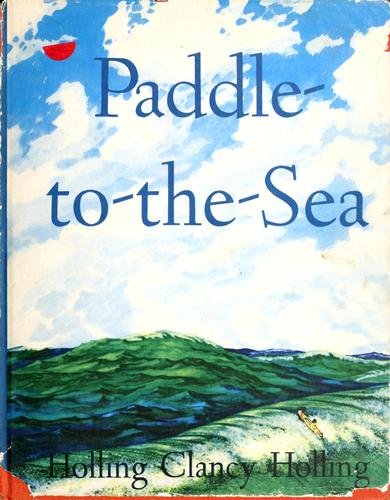
by Holling C. Holling
Picture book · ages 6–10 · grades 1–5 · 620L
A quiet masterpiece—the narrative voice lets the illustrations and geographic detail carry the story; kids absorb how water, seasons, and ecosystems interconnect without ever feeling lectured.
Complementing on scientific method
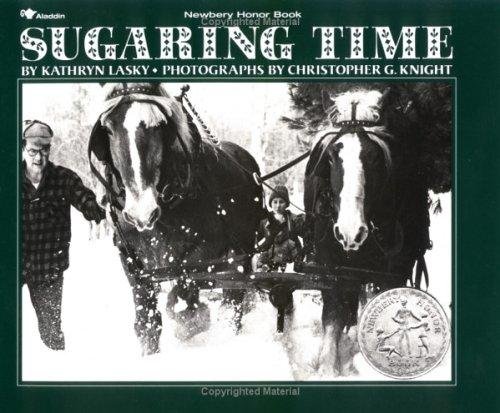
by Kathryn Lasky
Picture book · ages 5–9 · grades K–4 · 620L
A documentary-style picture book that makes process literacy exciting — kids grasp the whole arc from tree to table, and Lasky's matter-of-fact voice models scientific thinking without preaching.
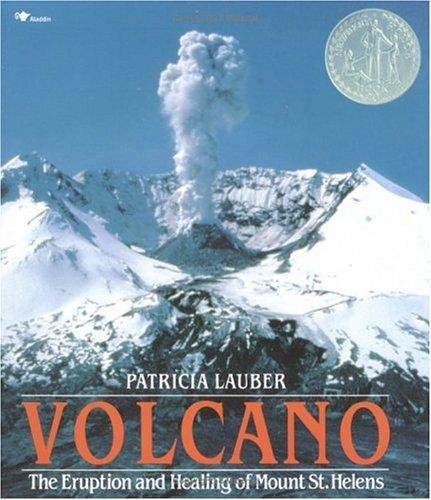
by Patricia Lauber
Nonfiction · ages 6–10 · grades 1–5 · 760L
Stunning photographic documentation of a real natural disaster and its aftermath—kids grasp cause-and-effect at landscape scale, and the healing narrative is genuinely hopeful without being saccharine.
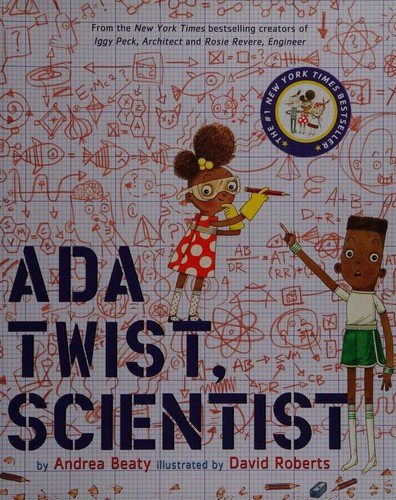
by Andrea Beaty
Picture book · ages 4–8 · grades K–3 · 620L
The best entry point to experimental thinking for this age—Ada's smell mystery is genuinely absorbing, and Beaty's rhyme scheme carries reluctant readers without condescension.
We'd skip — for now
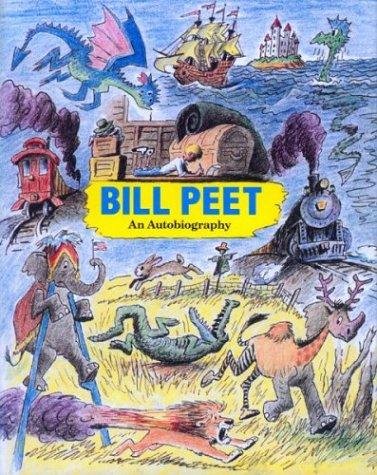
by Bill Peet
A step up — ages 8–12 · grades 3–7
Skip it if your child has no interest in drawing or animation, or if they find long picture books (chronological rather than episodic) tedious.